
What is a split rail fence? It’s an open, post-and-rail boundary that keeps your yard feeling wide. In Kentucky yards, it marks the line without turning the view into a wall.
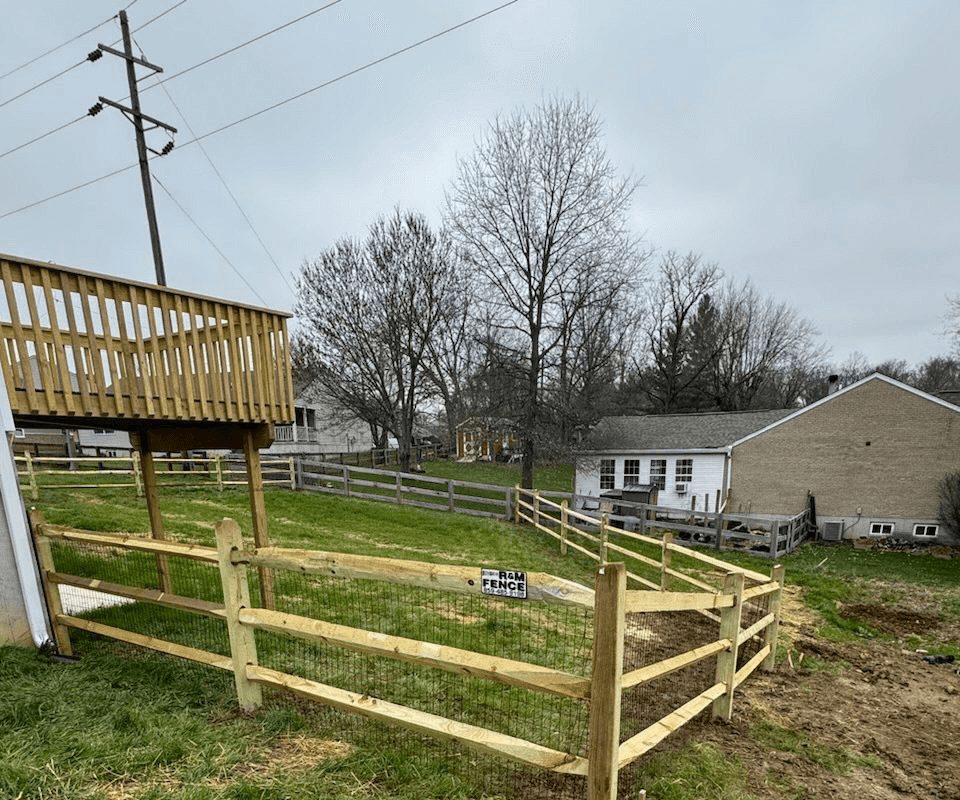
What is a split rail fence? It’s an open, post-and-rail boundary that keeps your yard feeling wide. In Kentucky yards, it marks the line without turning the view into a wall.
What is a split rail fence? It’s an open, post-and-rail boundary that keeps your yard feeling wide. In Kentucky yards, it marks the line without turning the view into a wall.
Split rail suits long runs, driveways, and rolling grades where solid panels look forced. With wire mesh tucked behind the rails, it can handle dogs and garden edges without losing the rustic look.
The real difference is hidden, like post depth, drainage, and clean corners. At R&M Fence, we map the layout, rail count, and mesh plan to how you live outside.
Split rail fencing is built from set posts and horizontal rails. Those rails create repeating sections that mark space without blocking your view.
Homeowners choose it because it feels natural and open, and choosing a split rail installer who understands long runs and uneven grades is what keeps that “simple fence” looking clean years later.
As reported by the U.S. Forest Service split rail fences and barriers, it is described as sturdy, low-maintenance fencing that is relatively easy to install when rail and post specs are followed.
What are split rail fence uses?
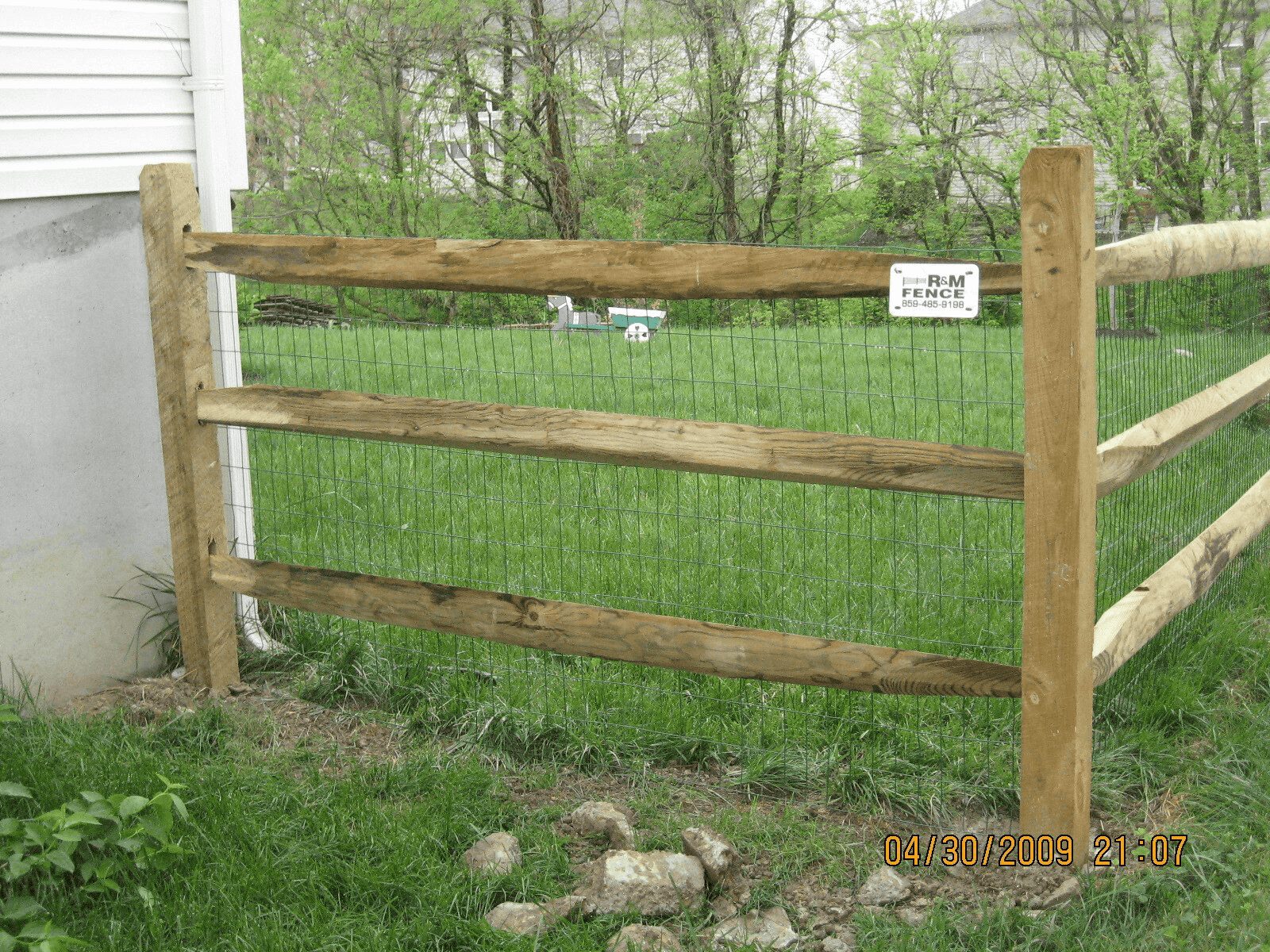
Picture clean rails running parallel to the ground with open gaps between them.
That spacing is the signature, so it feels airy from the street and relaxed from inside your yard, which is the opposite of what you see in privacy fence style comparisons.
Most residential installs use a post-and-rail layout, where rails slide into or fasten to posts in consistent sections. The older zigzag “worm” style exists, though it is less common in suburban homes.
Two-rail runs look lighter, while three-rail installs feel more defined.
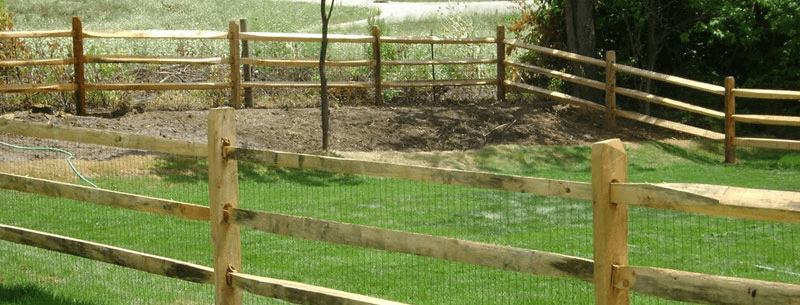
Round rails read rustic, and squared rails look more structured. Natural wood is common, though stained or treated options work when you want color and weather resistance.
The fence creates long sightlines that follow the shape of the land. There are no solid panels, so you can still see landscaping, trees, and open space.
Wire mesh often shows up behind the rails when containment matters, and it usually keeps the same overall look from a distance.
Split rail shines when you want a boundary that feels open, so your yard still breathes. It draws a clear line, yet it stays visually light, which helps on big lots and rolling grades.
Here are the most common split rail fence uses:
If your yard is wide and you like the view, split rail is a strong fit.
It tells the eye where your space begins and ends, without making your property feel smaller. Along driveways, it also helps create a clean edge that feels intentional, especially when you carry the same line across the front and side yard.
Split rail can help mark areas and guide movement when you choose the right rail count, post spacing, and corner bracing.
USDA NRCS fencing standards emphasize that fence design, posts, and installation requirements change based on the job the fence needs to do.
Heavier livestock and high-pressure areas usually call for stronger systems than a basic residential split rail layout. That is where we help you think through animal type, terrain, and the kind of force the fence will need to handle day to day.
Split rail by itself is not a pet fence for most dogs. The gaps and the bottom opening are an open invitation for small dogs, determined diggers, and fast movers.
If you want the split rail look and real containment, wire mesh is the upgrade that changes everything, and pet-friendly fence enclosure ideas help you compare approaches when function matters more than a fully closed-in look.
University of Georgia Extension notes that wire fencing is sometimes attached to the lower portion of a wood fence to keep the wood look while adding animal control from the wire.
Mesh selection matters. Wildlife-damage prevention guidance stresses matching mesh opening size to the animal you are trying to exclude, which applies to pets and garden protection too.
Split rail is a natural “frame” fence.
It outlines garden zones, tree lines, pond edges, and open lawn areas without competing with the landscaping you have already invested in, and that is where fencing and home value starts to feel less theoretical and more like curb appeal you can see from the street.
If your home leans rustic, traditional, or “country clean,” the style fits like it has been there for years.
Open rail fences can look more at home on uneven ground because you are not trying to force solid panels to stay tight to the grade. The key is layout. Straight runs, smooth transitions, and consistent spacing keep the fence from looking wavy or improvised.
This is also where mesh planning matters, since dips and rises can create gaps that pets quickly discover.
Split rail is an excellent fence in the right lane. It becomes frustrating when you expect it to act like a privacy or security system.
Split rail does not block views. If you want to screen neighbors, hide a pool area from the street, or create a private patio zone, you will want a different style, and privacy fence cost factors tend to become the real decision point once you move into that lane.
Open rails are easy to see through and easier to climb than many solid or taller fence types. If your goal is deterrence, security-focused chain link options are usually a better match because they are built around access control, not just a boundary line.
On uneven ground, the bottom gap is the common failure point. You can tighten layout choices, but a basic split rail fence without mesh is still not a reliable “no gaps” solution for most small pets.
Split rail is simple, which makes it flexible. A few smart upgrades can make it work for real life, not just for looks.
Mesh turns an open boundary into a functional containment fence. It is also a strong option for garden protection and keeping wildlife pressure down in planted areas, and cooperative extension guidance commonly recommends welded wire options for fencing out animals in garden settings.
Attachment details change the finished look. Mounting mesh on the inside of the posts often looks cleaner from the street, and it helps protect fasteners from accidental bumps.
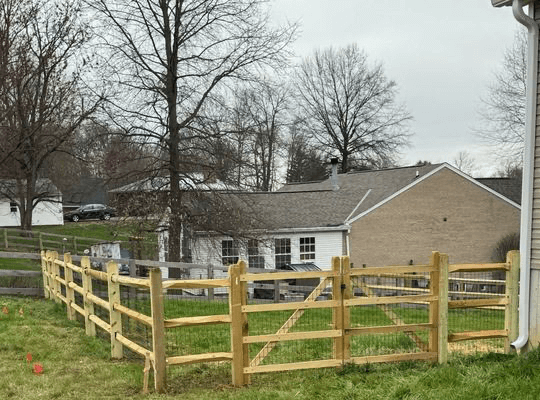
Drive gates and walk gates rely on solid post setting and the right hardware. Because gates move every day, they reveal alignment issues sooner than straight runs.
When you want a gate that stays level and swings cleanly year after year, bracing and post depth cannot be shortcuts. They carry the load quietly.
Two-rail often gives you that “boundary marker” look. Three-rail feels more substantial and sets a stronger perimeter line. Rail count also changes how the fence reads from inside your yard. With more rails, the edge feels clearer, yet the open character that makes split rail popular remains intact.
Wood species matters, but treatment and moisture usually decide whether your split rail stays solid. When rot risk stays high in shaded or wet zones, some homeowners shift to a durable low-maintenance fence material for peace of mind on long runs.
When wet soil hugs the post base or mulch piles against it, the wood stays damp longer, especially at the bottom of posts, and decay moves faster.
That is why ground-contact ratings matter. As reported by the Clemson HGIC treated wood guidance, the AWPA Use Category system labels UC4 as ground contact, and UC4A or higher is recommended for projects that sit in soil or stay consistently wet.
Treated posts and rails usually hold up better outdoors because the treatment is designed to slow decay and insect damage in exterior exposure. That is especially important in ground contact zones and shaded areas that dry slowly.
A stain or seal schedule can also support longer service life by reducing moisture cycling and surface checking, especially on sun-exposed runs.
Split rail pricing is shaped by linear footage, rail count, terrain, gates, and whether you add mesh. Long, open properties often choose it because it covers distance with a classic look, without the material intensity of tall privacy panels.
Terrain is a quiet cost driver. Corners, slopes, dips, and transitions add layout time, and mesh adds labor and material that changes the total quickly.
Long-term costs usually look like occasional rail replacement, post repairs in wet zones, and periodic cleaning or sealing depending on the finish you choose.
Post depth and drainage shape how the fence behaves over time. When posts creep, rails follow, and the whole line starts to look tired.
Set posts deep enough to resist movement, and give water a clear path away from the hole. Penn State Extension fence planning guidance notes a typical line post depth is 36 inches, and deeper corner or gate posts carry more load. In clay or wet spots, that extra stability matters.
Layout is the other half of “good.” Straight runs, consistent spacing, and clean corner geometry keep split rail looking crisp, even when the design is simple.
| Factor | DIY | Professional install |
| Best fit | Short, flat runs with no gates | Long runs, slopes, or mixed terrain |
| What you need | Comfort keeping spacing and alignment consistent | Crew experience to keep lines straight across distance and grade changes |
| Tools and setup | You handle layout, digging, setting, and level checks | Proper tools, bracing methods, and efficient setup for complex layout |
| Where it gets tricky | Corners, transitions, uneven ground, and long sightlines | Managed through layout planning, corner geometry, and terrain adjustments |
| Gates | Easy to misalign if posts or hardware are off | Posts, hardware, and bracing set for clean swing and long-term alignment |
| Wire mesh goals | Can be fiddly to tension and fasten neatly | Mesh installed to meet containment goals without sagging or gaps |
| Why it pays off | Savings on labor if the scope is simple | Better results when mistakes are costly or function cannot be compromised |
Split rail maintenance stays simple, yet it works best with a steady rhythm. A quick walk a couple times a year catches the small stuff before it turns into leaning posts and loose rails.
Before any post goes in, confirm your property lines. A fence that is almost right can still cause headaches, especially near corners, shared drive lines, or right-of-way edges. That saves time and neighbor stress.
Across Northern Kentucky, local rules can shape placement, height, and sight triangles.
Boone County zoning ties fences to public right-of-way limits and corner visibility, while Covington guidance is even more direct about avoiding encroachments and blocked views.
Utility marking belongs in the same checklist. Kentucky 811 lets you request free utility locates before digging, and the Common Ground Alliance reinforces 811 as the nationwide call-before-you-dig number.
Split rail looks simple, yet the best installs are rarely accidental. Northern Kentucky terrain, drainage patterns, and long property runs reward careful layout and solid post setting.
We help you choose rail count, mesh add-ons, and gate placement that match how you actually use your yard, not just how the fence looks on day one.
For a broader view of options, explore all fence styles we install.
If you want to talk through a layout, contact our Northern Kentucky fence team.
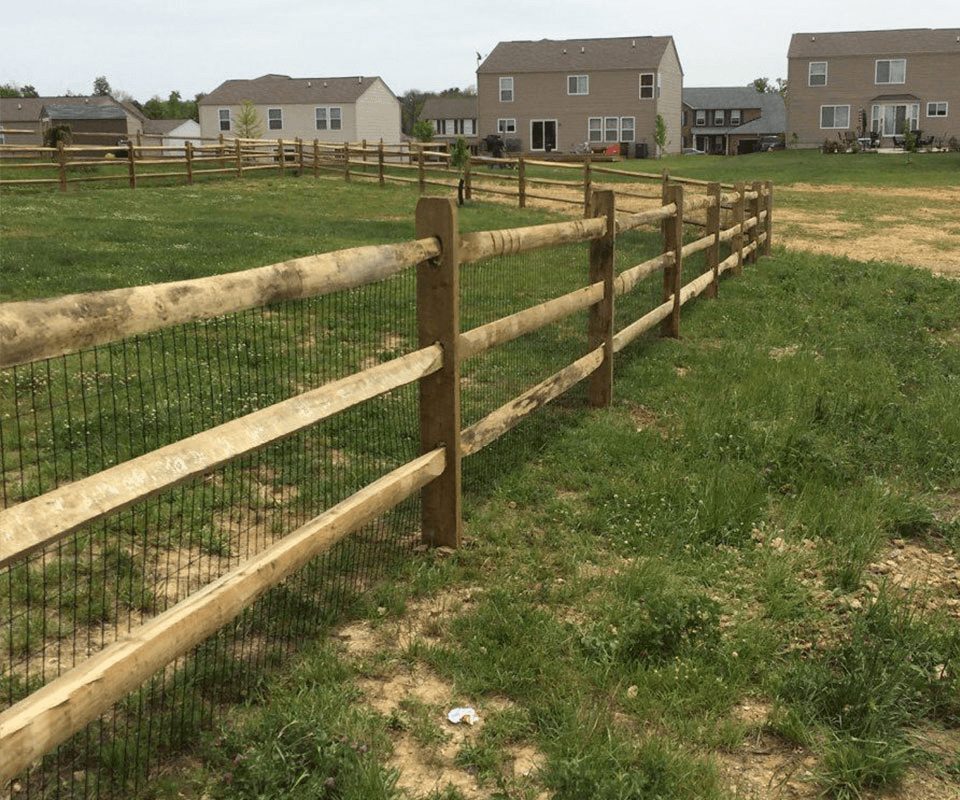
Split rail works best when you want to define space, keep views open, and cover long runs with a classic line. When real containment matters for dogs, kids, or gardens, wire mesh is the upgrade that makes the fence match real life without changing the look much.
At R&M Fence, we help you choose the rail count, plan clean corners and gate locations, and build for your terrain so the fence feels intentional on day one and steady years later.
Ready to map out a split rail layout that fits how you use your yard? Contact our Northern Kentucky fence team.
If you are asking what is a split rail fence, think posts and horizontal rails that mark a boundary without blocking the view. It works best on large yards, drive lines, and slopes, and it stays flexible with wire mesh for pets.
What does a split rail fence look like up close? You see long rails with open gaps, so the landscape stays visible. Two rails feel light and decorative, while three rails feel more defined, especially with squared posts and stain.
On its own, split rail rarely contains dogs, because the rail gaps and bottom clearance create easy exits. For practical split rail fence uses around pets, add welded wire mesh on the inside and plan the grade so no openings appear.
Choose two rails when you want a boundary marker and maximum openness. Choose three rails when you want a stronger perimeter line, better visual balance, and a little more structure for mesh attachment. Your yard size and sightlines guide the call.
Keep moisture off the wood and the fence lasts longer. Clear leaves, soil, and algae that hold dampness at the posts, and trim plants for airflow. After storms, re-check fasteners and gate swing, and refresh stains on sun-heavy runs.
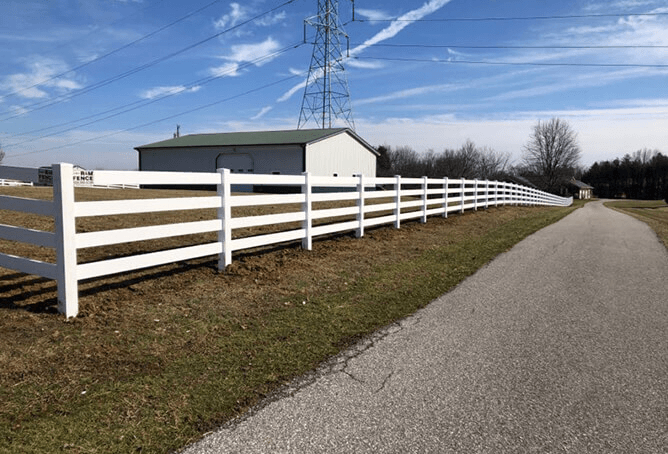
How long do wood fences last? You ask it when a post leans, a gate drags, or you are investing in a fence you want to keep.
Read More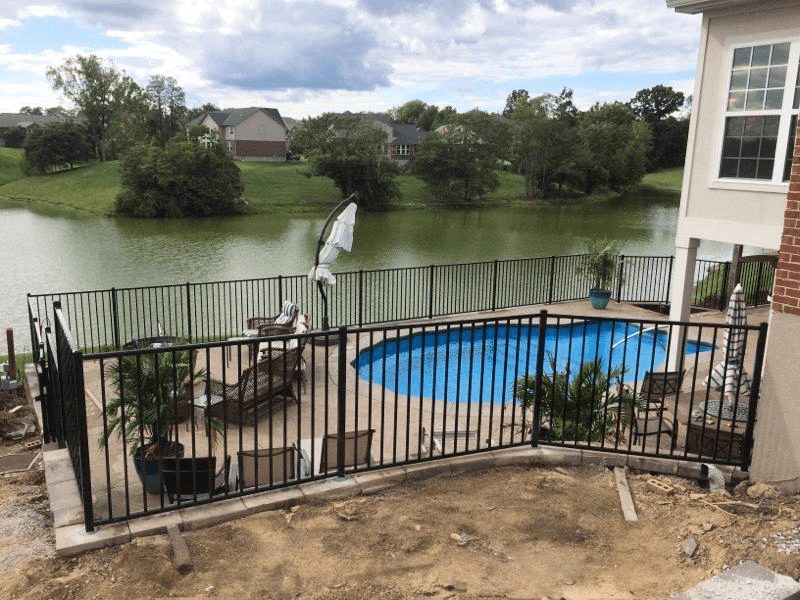
You finally get the pool up, the kids plan cannonballs, and one question nags at you. Do you need a pool fence for above ground setups in Kentucky, or does the pool itself count as the safety barrier?
Read More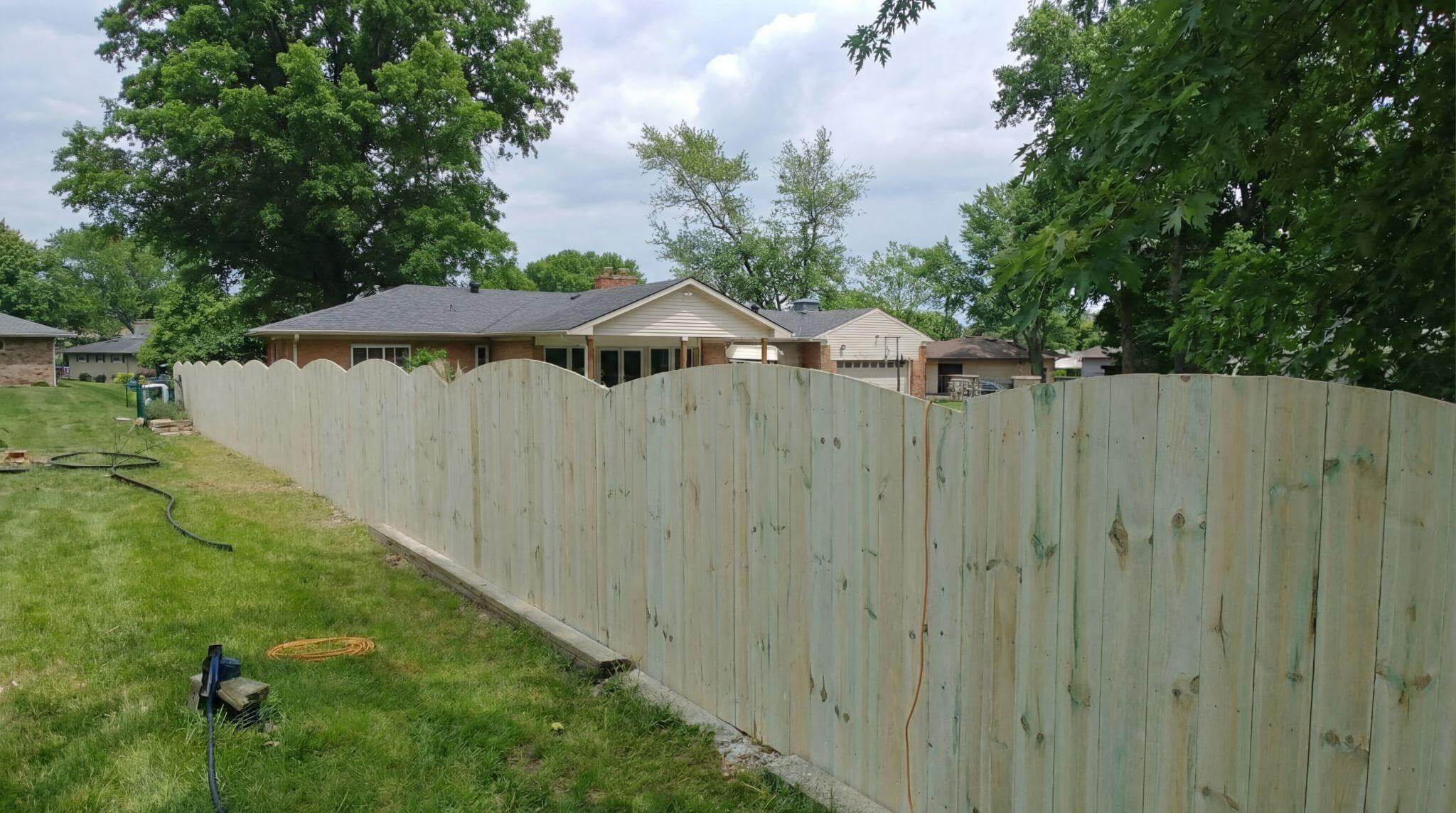
You let the dog out for two minutes, glance up, and the gate is already swinging. In Northern Kentucky, that scenario plays out daily because most yards weren't built with escape artists in mind.
Read More