
How long do wood fences last? You ask it when a post leans, a gate drags, or you are investing in a fence you want to keep.
How long do wood fences last? You ask it when a post leans, a gate drags, or you are investing in a fence you want to keep.
How long do wood fences last? You ask it when a post leans, a gate drags, or you are investing in a fence you want to keep.
In Northern Kentucky, moisture is the constant. Rain, humidity, and freeze-thaw swings keep soil damp, which stresses wood at the ground line and tests coatings on steel. Vinyl avoids rot, but weak post support and gate strain can still shorten its run.
This guide gives realistic lifespan ranges across wood, vinyl, chain link, aluminum, and steel, plus upkeep that adds years without adding hassle. For local guidance, start with R&M Fence.
Most customers ask one thing before they commit: how long do fences last? Online answers love one number, but your yard changes everything fast, including the real-world variables that show up in a backyard fence cost breakdown.
Soil stays wet longer in shaded runs, sprinklers hit the same bottom rail, and a heavy gate pulls on the hinge post every day.
In Northern Kentucky, moisture and movement are the steady pressure. The Kentucky Transportation Cabinet climate change appendix notes a temperate climate with about 50 inches of annual precipitation and winter periods well below freezing, which matches the freeze-thaw cycles that shift soil and stress posts.
That is why lifespan is a range, and why post setting and gate support often decide more than the panels you see.
A fence’s lifespan is usually decided by five things you can control and two you have to plan around:
On the planning side, you also have sun exposure and soil behavior. A sunny back yard can bake and fade surfaces. Clay-heavy soils can shift with moisture changes, and that movement shows up as leaning posts or gates that go out of square.
We like to use a simple lens built around structure, finish, and water management. Your posts, rails, and bracing carry the load, while your coating and UV protection take the daily beating.
Moisture decides whether those systems stay strong or start slipping.
The WBDG fencing design and durability guidance explains that fence durability hinges on structural integrity, environmental severity, and the coatings chosen to resist deterioration. When any one piece breaks down early, the fence feels tired, even if most panels still look fine.
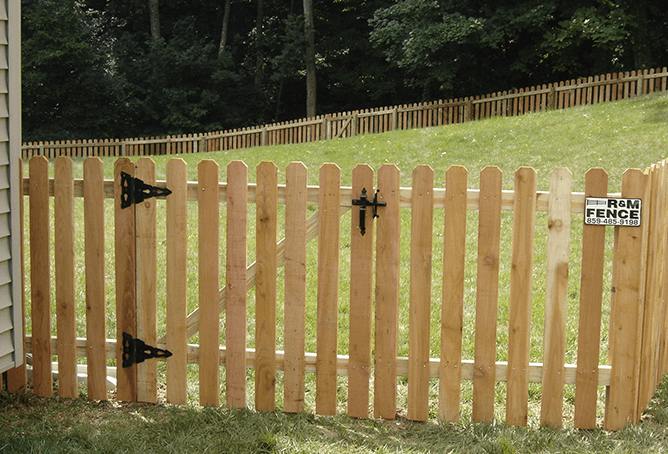
Most homeowners choose wood because it looks right and gives privacy fast.
A practical expectation for a well-built wood fence is often in the 15–20 year range, and that swing comes down to wood type, how wet the bottom stays, and whether you seal it on a consistent cycle.
Still, the posts matter most, so it helps to separate the fence you see from the support you do not. University of Kentucky forestry guidance reports that treated pine posts can last 20–35 years, while untreated posts may fail in only a few years.
That gap is why two wood fences can age in totally different ways. One sheds water and protects the ground line. The other starts out behind early.
Wood longevity starts at the post, so the exposure rating matters. The University of Kentucky fence post guide notes that ground-contact retention and moisture at the ground line drive rot risk, which is also why homeowners often weigh wood options that hold up before they commit.
That is why you should:
Most early wood failures trace back to moisture staying where it should not.
Peer-reviewed guidance from the USDA Forest Products Laboratory explains that decay is often most severe near the ground line, where moisture and oxygen are both available.
Here is what that looks like in a yard:
If you remember one thing, make it this: wood panels can be replaced. Posts that rot at the base turn into a structural rebuild.
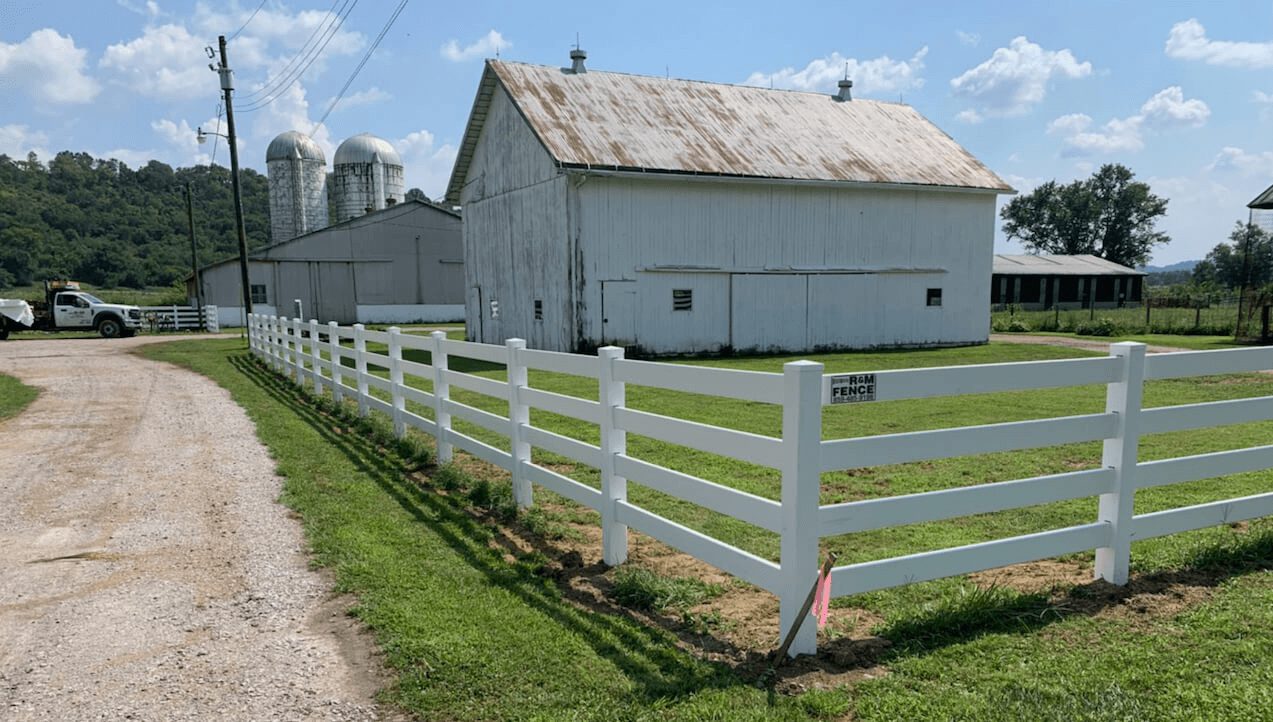
Homeowners ask, how long do vinyl fences last, because vinyl is sold as low maintenance, and in most yards it delivers.
Vinyl can hold up for decades when posts are set deep and straight and gates are reinforced. Still, the timeline shifts with sun exposure, wind load, and how much stress your gate puts on the hinge side.
It also helps to separate looks from structure. Vinyl may fade, dull, or chalk a bit long before the panels lose strength.
Outdoor UV and heat cycle the surface over time, so quality formulations rely on stabilizers and consistent wall thickness to slow aging. Keep hardware tight, keep impacts in check, and the fence usually stays solid even as the finish changes.
Vinyl resists rot, but it still needs light upkeep to avoid stains and sag over time.
To keep it that way, use these checks, especially if your fence also needs to meet pool fence gate safety rules where latching and gate behavior matter.
Chain link can run for decades when its coating and frame stay intact.
That is because the wire and rails are steel, so corrosion is the real enemy. A strong zinc layer or a vinyl-coated system buys you time by keeping moisture away from bare metal.
Where chain link fails early, the pattern is usually the same. Water sits inside open rail ends, fittings loosen, and scratches expose steel at cut ends or near gates. If you keep caps tight, touch up damage, and keep the base draining, the fence stays solid much longer.
Aluminum and steel fences can both last for decades, but they age in different ways. Aluminum resists corrosion, so it performs well in wet yards as long as the coating stays intact, which is part of why many homeowners start with aluminum fence basics and lifespan.
Steel is strong, yet it relies on its finish to block moisture.
When powder coat or paint chips at welds, fasteners, or gate corners, rust can start and creep under the coating. Keep water draining away from the base and touch up nicks quickly, and the metal stays straight and reliable for years.
Aluminum is a strong pick when you want low maintenance and clean curb appeal.
Steel is a strong pick when you want maximum rigidity and a premium look, and you are willing to stay alert to coating damage and touch-ups.
| Fence material | Practical lifespan range | What usually fails first |
| Wood privacy or picket | Often 15-20 years, swing wider with treatment and sealing | Posts at ground line, fasteners, gate sag |
| Vinyl (PVC) | Decades, often treated as a life-long product | Gate hardware, impact cracks, leaning posts from poor set |
| Chain link | Decades with proper coating | Rust at fittings, top rail ends, hinges, and latches |
| Aluminium | Decades with quality coating | Coating wear, gate hardware |
| Ornamental steel | Decades with vigilant coating care | Rust at chips, weld points, fasteners |
A fence usually gives you warnings before it gives up.
Look for structural signals, not only cosmetic ones:
Repair makes sense when posts are solid and damage is localized. A panel swap, a hinge replacement, or a rail repair can buy real time.
Replace makes sense when the structure is failing in several places. If posts are rotting at the base across a run, you are fighting the foundation, not the pickets, and that condition can also shape resale impact in fence condition and home value.
You do not need a complicated routine. You just need a few habits that stop the usual problems before they start. Most fences do not fail all at once, they wear down where water sits, grime stays, or hardware keeps working loose.
To keep your fence on the long side of its lifespan, focus on these four basics:
Decay risk climbs when wood stays wet while still getting airflow, which is why the ground line is the danger zone. So grade control and drying time matter more than most homeowners expect, because they decide whether moisture lingers or clears out after rain and sprinklers.
That shows up in a few practical habits you can keep simple:
Vinyl and metal last longer when you rinse them regularly, especially on shaded runs where algae clings. After washing, do a quick inspection so small damage stays small before it turns into bigger repairs.
That means:
| Lifespan driver | DIY Pitfalls that shorten life | Pro install focus |
| Post depth + plumb | Shallow holes, posts set slightly out of plumb | Consistent depth, posts set dead plumb |
| Water shedding at base | Grade traps water, flat concrete that holds moisture | Gravel base, crowned concrete, grade that drains away |
| Corners + bracing | Weak corners that slowly creep under tension | Proper brace assemblies that hold the line |
| Gates + hardware | Undersized hinge post, sag that pulls sections out | Reinforced hinge post, aligned hinges and latch |
A fence is not only a purchase. It is a cost spread over years.
A fence that lasts longer usually costs less per year of service, even if the upfront number is higher. Your time matters too. Wood can be worth it when you like the look and do not mind periodic sealing. Vinyl and aluminum can be worth it when you want weekends back.
It helps to frame the decision around your goal: privacy, curb appeal, pet safety, pool safety, or long-term ownership plans. The best material is the one that matches how you live in the yard.
We build fences for Northern Kentucky conditions, not a generic climate, and that local focus is part of what homeowners look for in a trusted Northern Kentucky fence team. So we start with the details that decide lifespan, like post depth, drainage at grade, and gate alignment that stays true through daily use.
From there, we help you choose a material that fits your timeline and your yard. Wood, vinyl, chain link, aluminum, and steel all perform differently once moisture, sun, and traffic hit them. See our fence styles and materials.
If you want a clear plan tied to your layout, request your free fence estimate. You can also meet the R&M Fence team and reach out with photos or measurements so we can guide you quickly.
Your fence should fit your life, not only your budget.
If you want the longest service life, focus on moisture control, post quality, and gate construction as much as the material itself. That is how you avoid replacing a fence years earlier than you expected.
If you want help comparing materials on your lot, reach out and we will map options based on your goals, your yard conditions, and how long you plan to stay.
In Northern Kentucky, moisture and soil movement shape the question, how long do wood fences last. Treated, ground-contact posts and good drainage protect the ground line, where rot starts. Panels can be replaced, but failing posts signal the fence is aging out.
How long do vinyl fences last depends less on rot and more on structure. Quality vinyl can stay functional for decades, yet weak post setting and wide gates create sag and cracks. Expect hardware, hinges, and latches to need attention before panels do.
Staining or sealing helps because it sheds water and limits swelling, so boards dry faster after rain or sprinklers. Still, coatings cannot overcome soil contact or standing water. If you combine sealing with drainage and vegetation control, how long do fences last improves.
Repair is cost-smart when posts stay plumb and damage is limited to a section, a few pickets, or gate hardware. Replacement makes more sense when multiple posts lean, rot appears at many bases, or repairs keep failing through seasons.
The fastest lifespan killer is constant moisture at the base, often from sprinklers, downspouts, low grade, or mulch piled against the fence. Gate sag is close behind because it pulls sections out of alignment. Control water and hardware, and fences last longer.
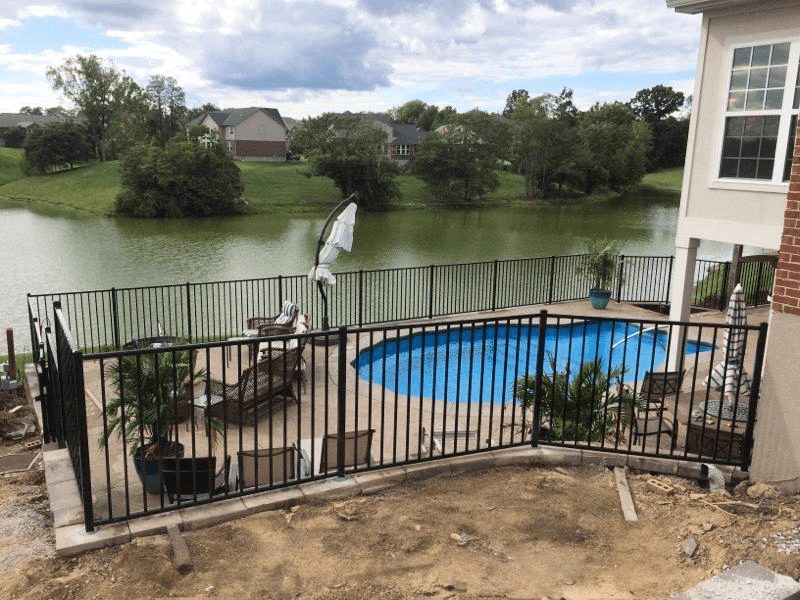
You finally get the pool up, the kids plan cannonballs, and one question nags at you. Do you need a pool fence for above ground setups in Kentucky, or does the pool itself count as the safety barrier?
Read More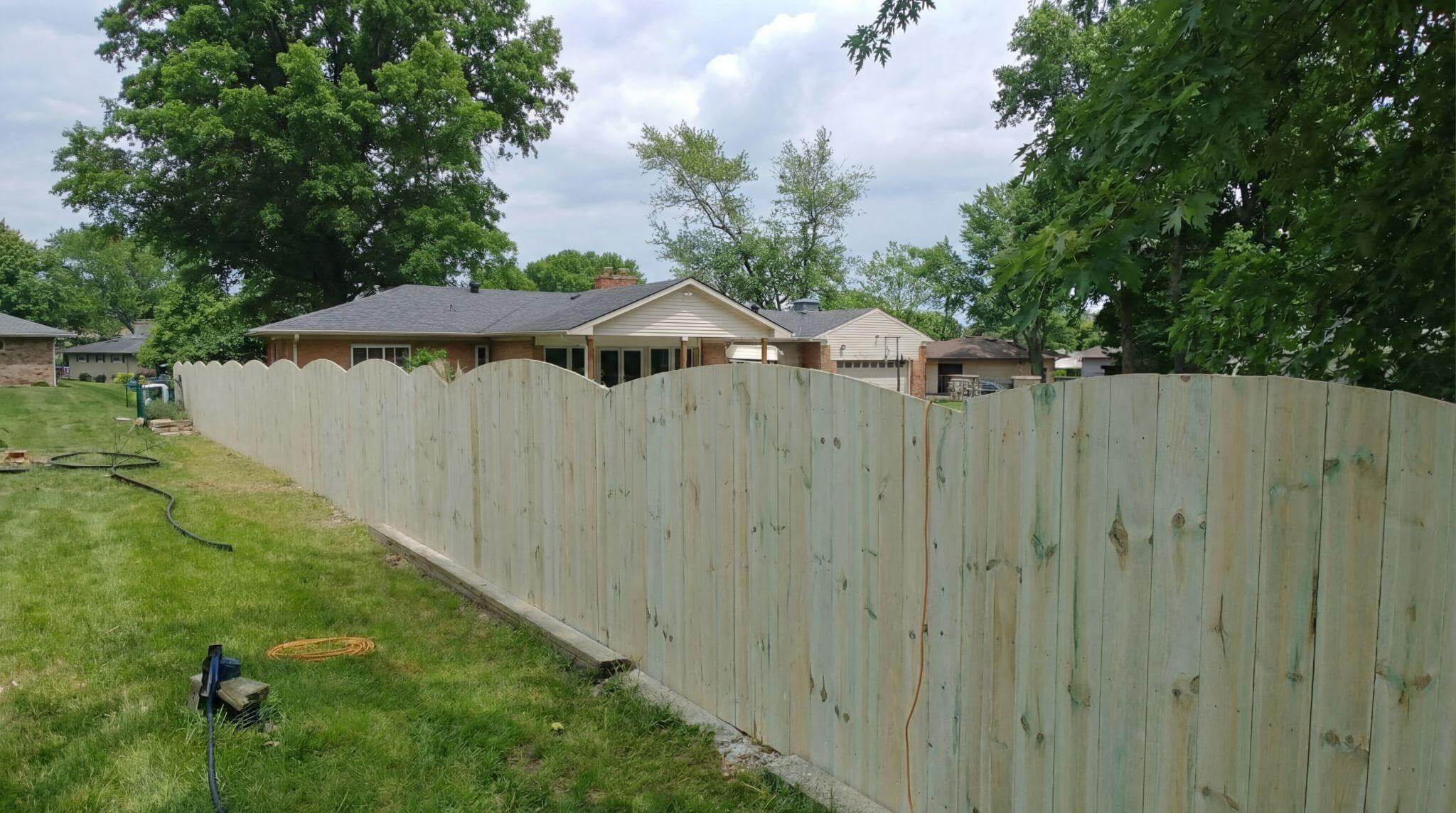
You let the dog out for two minutes, glance up, and the gate is already swinging. In Northern Kentucky, that scenario plays out daily because most yards weren't built with escape artists in mind.
Read More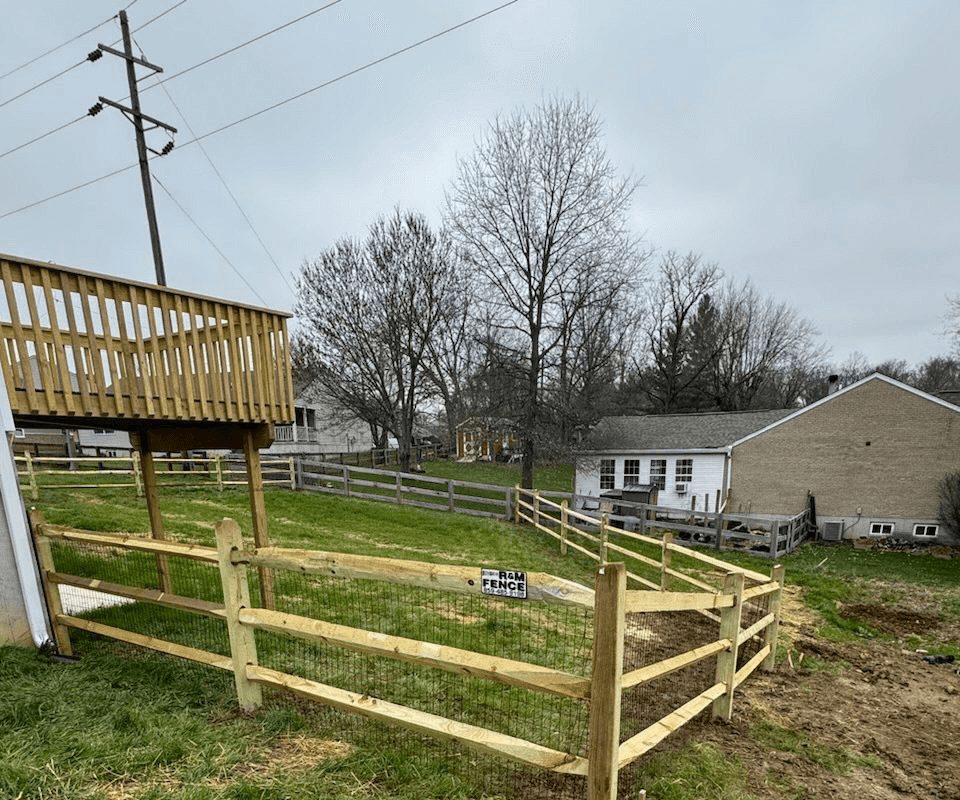
What is a split rail fence? It’s an open, post-and-rail boundary that keeps your yard feeling wide. In Kentucky yards, it marks the line without turning the view into a wall.
Read More