
A backyard fence on a slope can fool you. From the deck it looks straight, yet the bottom edge floats, panels lean, and the gate starts to kiss the ground after a hard rain.
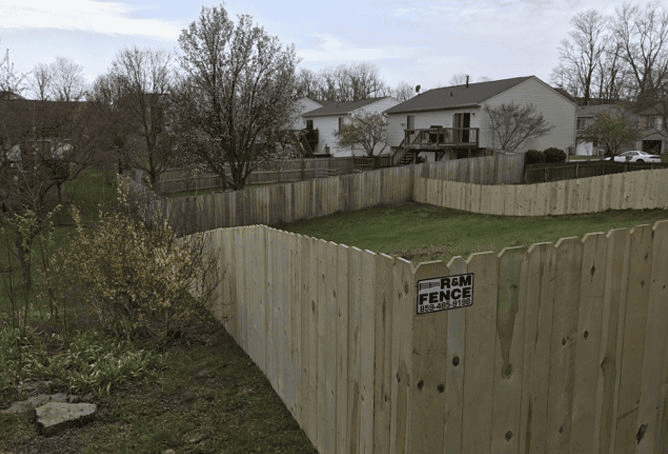
A backyard fence on a slope can fool you. From the deck it looks straight, yet the bottom edge floats, panels lean, and the gate starts to kiss the ground after a hard rain.
A backyard fence on a slope can fool you. From the deck it looks straight, yet the bottom edge floats, panels lean, and the gate starts to kiss the ground after a hard rain.
That is what makes a backyard fence on a slope different, because the grade keeps pushing on every post, every hinge, every gap.
At R&M Fence, we will help you choose the right layout for your grade and privacy goals, with material notes that prevent crooked lines and surprise gaps.
When we talk about a backyard fence on a slope, we mean your fence line crosses land that has a real, measurable incline, not just a few shallow dips.
The Natural Resources Conservation Service defines slope gradient as the elevation change between two points expressed as a percentage of the distance, which is why even a small grade can stretch across a long run.
On that kind of ground, a fence does not sit the same way everywhere.
You start noticing a wavy line, daylight under sections, and a gate that swings differently because the posts are reacting to changing ground. That is the practical difference between a sloped backyard fence and a fence on uneven ground.
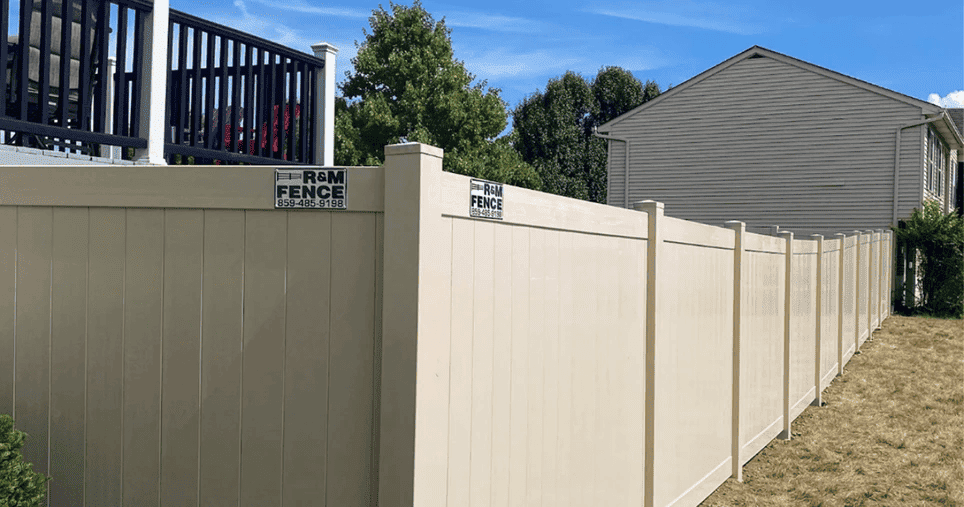
Slopes challenge privacy because the ground rises while your fence line stays one height.
A normal panel can leave a see-through strip at the bottom in one area and an overly tall wall a few feet away. That is why a backyard fence on a slope needs a plan for height and sightlines.
Gaps invite pets and also give wind more leverage on posts when gusts hit from downhill. EPA stormwater runoff explains that runoff flows over land and hard surfaces instead of soaking in, and it can carry sediment that undermines posts.
Bureau of Reclamation frost action notes frost heave needs frost-susceptible soil, subfreezing temperatures, and water, so even small shifts can turn a gate into the problem you notice daily.
Compare wood, vinyl, aluminum, and chain link to choose the best fence for sloped yard grades, and keep budget in view with fence costs.
Wood is a reliable choice for a privacy fence on a slope because stepped panels stay level while the run climbs or drops.
That helps you control the sightline, yet the long-term win is still the post plan.
AWPA Use Categories explains that UC4A covers typical ground-contact fence posts, while UC4B is rated for heavier ground-contact exposure in severe, high-deterioration conditions. On a sloped yard, runoff often keeps the downhill soil consistently wetter, so choosing UC4B where moisture lingers can protect posts at the ground line.
Vinyl is popular for low maintenance, and slope handling depends on whether the system racks or is designed to step. Many preassembled panels only step, which changes the top line on a long run.
Heat and fit matter with vinyl. If wraps or tight clearances trap heat, panels can warp, so airflow and proper spacing are part of a clean install. If you are considering a vinyl fence on a slope, we plan around racking limits and the areas you cannot field-trim.
Aluminum is a clean solution when you want visibility and curb appeal, and it pairs well with racking on rolling grades.
Many ornamental aluminum systems are designed to rack, so the panel follows grade while the lines stay crisp, which helps you avoid the stair-step look on gentle slopes.
An aluminum fence on a slope is not privacy on its own, though inserts and landscaping can add screening where you need it. The advantage is consistency. Across long runs, it reads intentional instead of improvised.
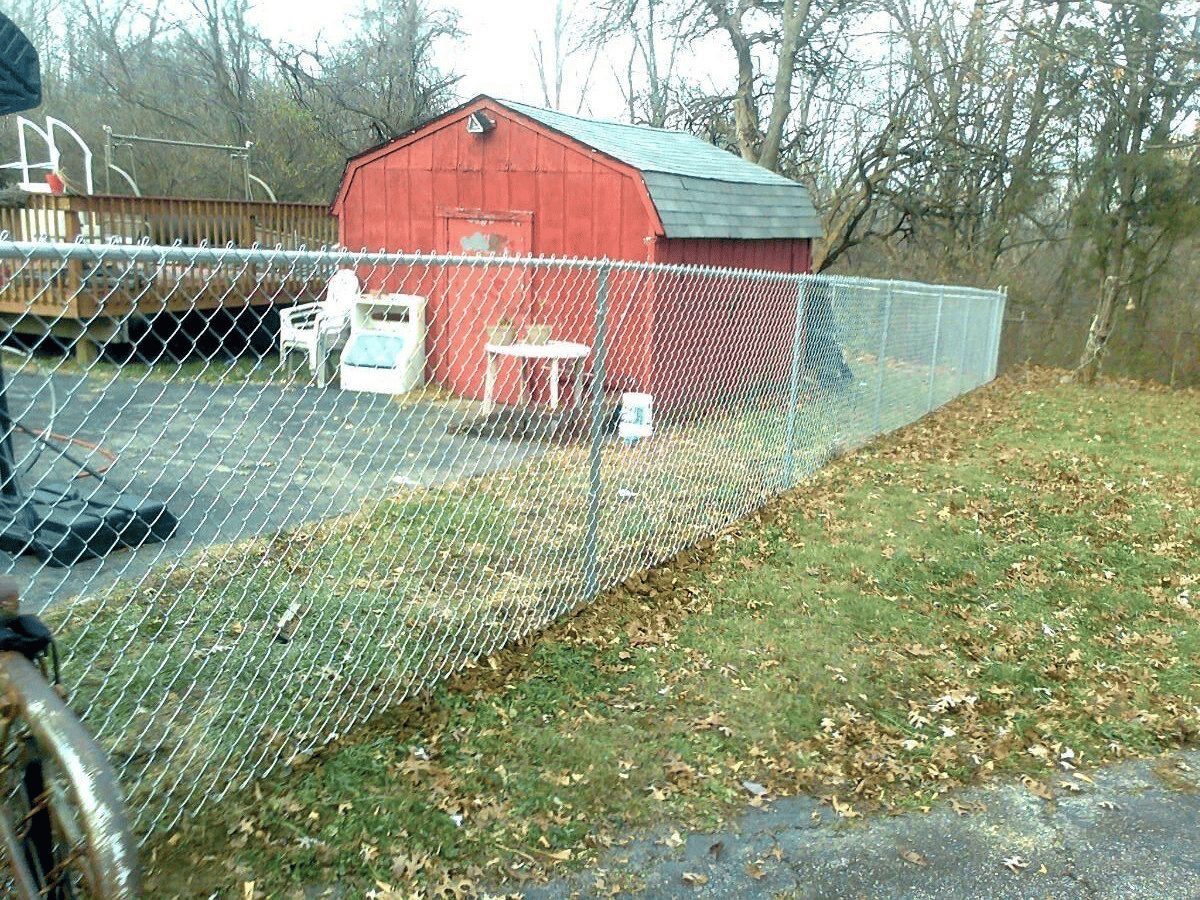
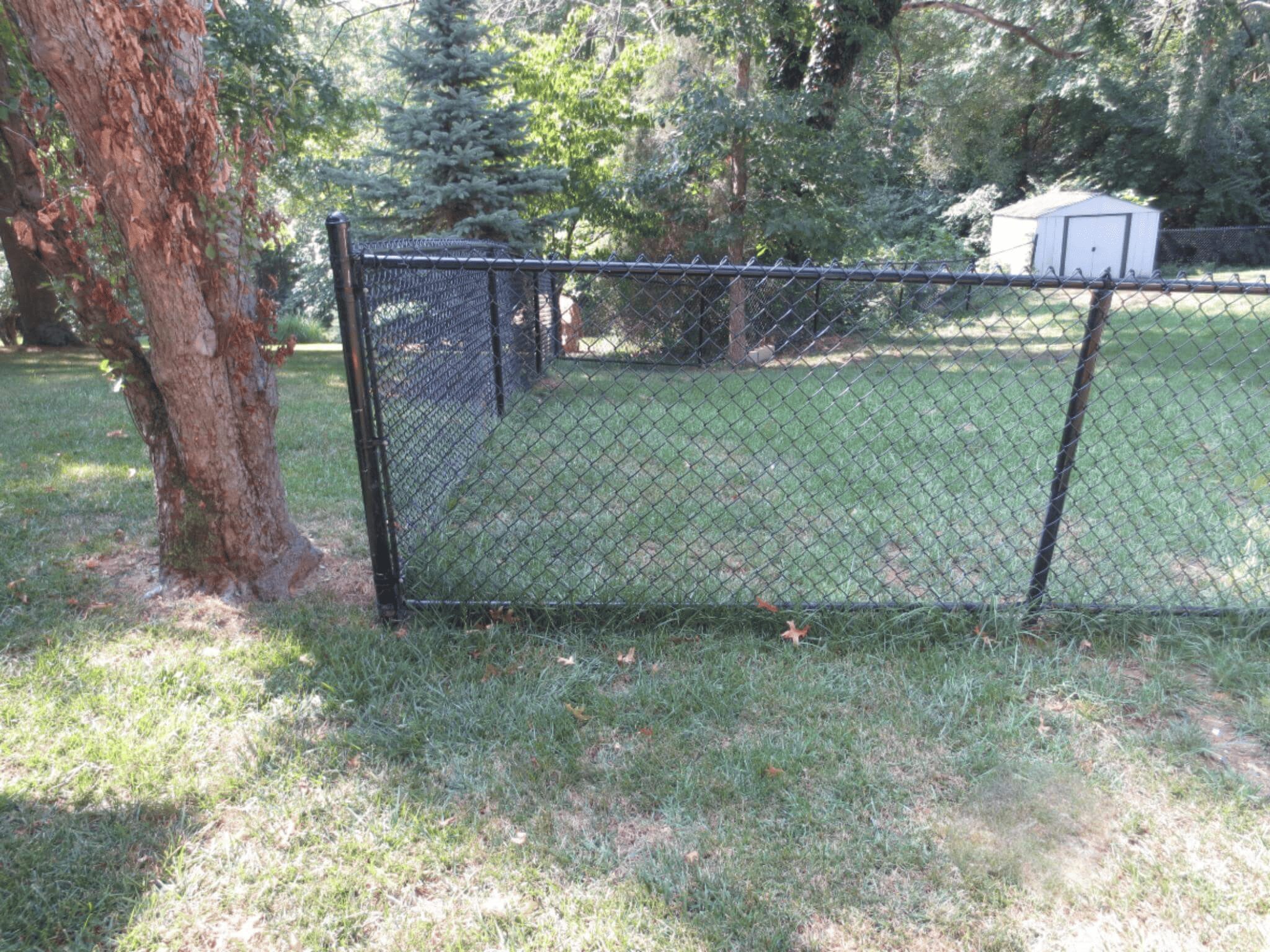
Chain link is good on uneven ground because the fabric follows grade and handles odd angles without forcing rigid panels into bad geometry, which is a big part of the practical chain benefits.
You keep it clean by tensioning the fabric and setting it to track the slope instead of fighting it. Privacy is possible with slats or screens, though wind load becomes the tradeoff over time.
On a slope, the best pick is the one that fits the grade and how you use the yard. You avoid surprises when you plan for mowing access, gate placement, and runoff paths.
| Topic | Racked | Stepped |
| What it looks like | Panels angle to follow the grade, so the line reads smoother. | Panels stay level, so the run drops in visible “steps” |
| Best fit | Gentle to moderate, rolling slopes where you want fewer bottom gaps. | Stepper or inconsistent slopes where level, square sections matter |
| Common styles | Aluminium picket, some rackable vinyl, many ornamental systems | Wood and vinyl privacy panels, prebuilt sections |
| Main tradeoff | Limited racking range, full privacy styles can distort if pushed | Triangular bottom gaps can show up and need a plan |
A sloped backyard fence looks best when the top line feels intentional. You can keep it straight with steps or follow the hill with racking, while planning bottom gaps so runoff moves freely.
Transitions are where DIY installs look patched, so clean corners, consistent spacing, and height changes should be planned together.
Depending on the fence type, we may use trim boards, bottom-rail details, light grading, and gates placed on the flattest section to prevent drag. A board or gap solution can close daylight without damming water along the slope.
Fence rules shift by city, county, and HOA, so you want to confirm height, setbacks, corner-visibility limits, and style rules before materials arrive, including pool-related Code basics that can affect gates and latch requirements.
In Boone County, Section 3655 caps residential fences at six feet in most districts, per Boone County zoning.
Some Northern Kentucky cities also require a fence permit and may specify finished-side-out plus sight-triangle clearance at corners. Because a sloped run is harder to adjust after posts are set, verify the property line early.
Before digging any post holes, call 811 so underground utilities can be marked for safety.
Slopes expose mistakes fast. A post that is out of plumb looks fine until the line continues.
DIY issues often show up as shallow posts downhill, loose string lines across grade changes, and gates set where the ground steals swing clearance. Short runs on mild grades can work when the layout is simple.
With long runs, multiple gates, steep breaks, or active runoff, a contractor saves money by avoiding rework. OSHA excavation safety notes that when excavation interrupts drainage during digging, diversion ditches or dikes can keep surface water out.
Slopes raise costs because labor climbs. Layout takes longer, posts need adjustment, and cuts multiply, especially when mixing racked and stepped sections.
Material choice shifts the total overall, and the long-term angle matters too, including home value.
Slope zones wear faster because runoff concentrates downhill and can carve small channels around posts. When moisture lingers, freeze-thaw can lift and loosen footings as ice lenses form in frost-susceptible soils.
Match maintenance to the material. Seal or stain wood and watch for rot at the ground line, check vinyl fasteners where panels are under stress, snug aluminum brackets after storms, and stay on top of chain maintenance by re-tensioning ties and inspecting hardware when screening is installed.
Walk the run each season and note new gaps or lean right away.
We do not treat a fence on uneven ground like a normal install with extra cuts.
We plan the slope, map the run, and choose the install method that keeps lines clean and posts stable across the entire grade.
Northern Kentucky terrain has a lot of rolling lots, clay-heavy soils, and freeze-thaw cycles, so we build with movement in mind. That shows up in post placement, bracing, and the way we design transitions so your fence for sloped yard looks consistent.
Our process is simple. We walk the site, confirm the layout, recommend the right material and build style, and install it with the slope details handled the right way by Local experts. You can explore materials on Fence Options and you can either Contact R&M or check out our Free Estimate.
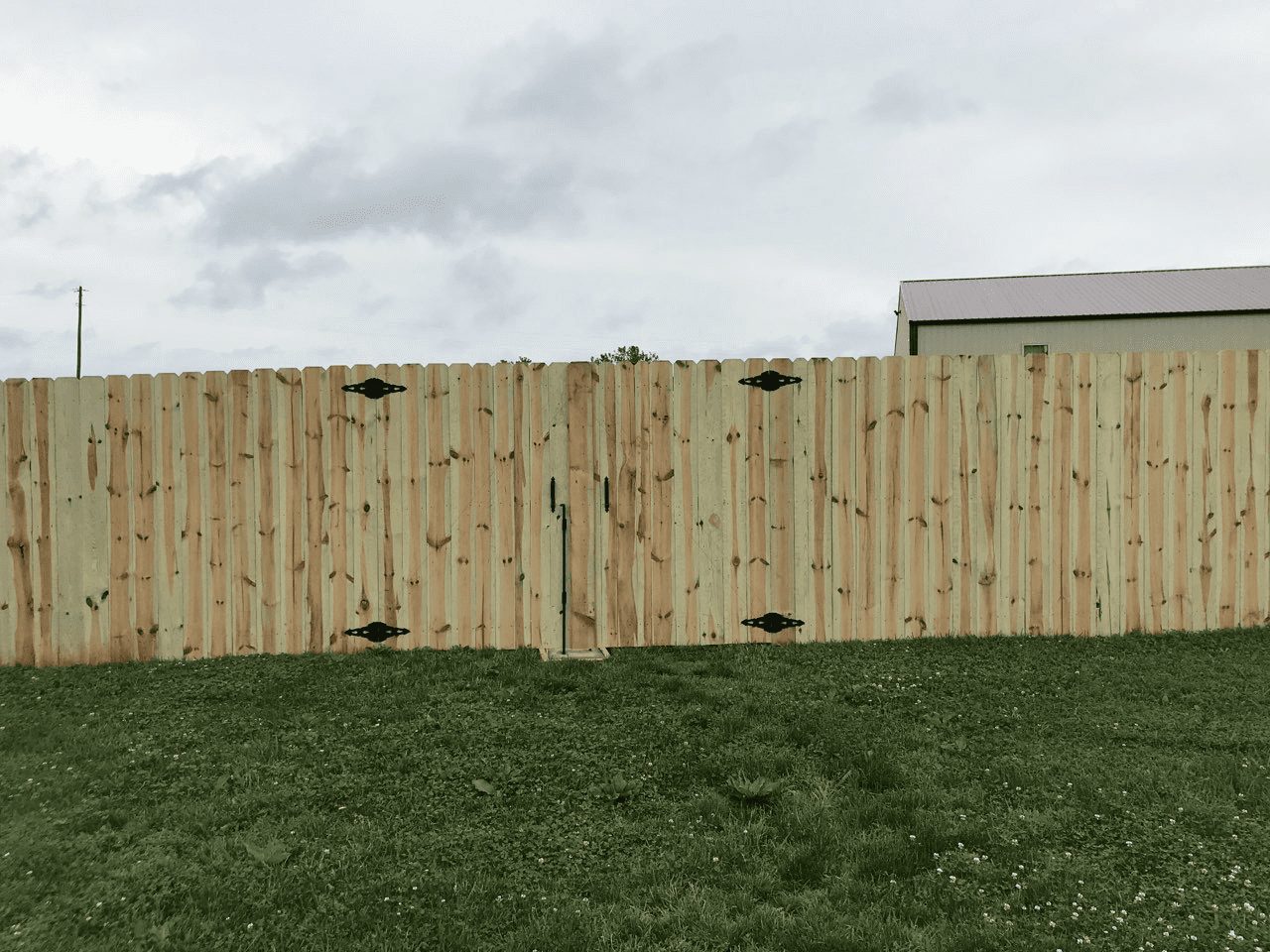
The best backyard fence on a slope depends on your privacy goal, the grade you are dealing with, and how you want the line to look from the street and the patio. The big fork in the road is racked fence vs stepped fence, because that decision controls gaps, sightlines, and how the fence handles long runs.
If you want a sloped backyard fence that looks clean and stays solid through heavy rain and winter cycles, we can help you choose the right material and install approach for your property.
Reach out to us to plan a fence installation on a slope that holds up season after season.
For a privacy fence on a slope, wood is usually the most forgiving. You can step sections to keep panels square, and you can tailor picket height to limit bottom gaps.
Use ground-contact rated posts, since hillside moisture speeds decay at the ground line.
The racked fence vs stepped fence choice is mostly about how the panels meet the grade. If you want smoother lines, racked panels tilt to follow the slope and reduce bottom gaps. Stepped panels stay level and drop in increments, which fits privacy styles.
To close gaps on a fence on uneven ground, you start by deciding if the run should rack or step. From there, use a bottom trim board, graded backfill, or a consistent clearance that lets water pass. Avoid sealing the base tight where runoff concentrates.
You can install a gate on a slope without dragging, but hinge-post stability is everything.
During fence installation on a slope, set gate posts plumb, brace them, and keep the opening on the flattest section available. Small post movement shows up as immediate scrape.
Too steep to DIY is when the run needs frequent stepping, gates lack a level landing, or runoff cuts channels along the line. On a backyard fence on a slope, freezing temperatures and moisture can heave posts, so footings fail fast when you build alone.
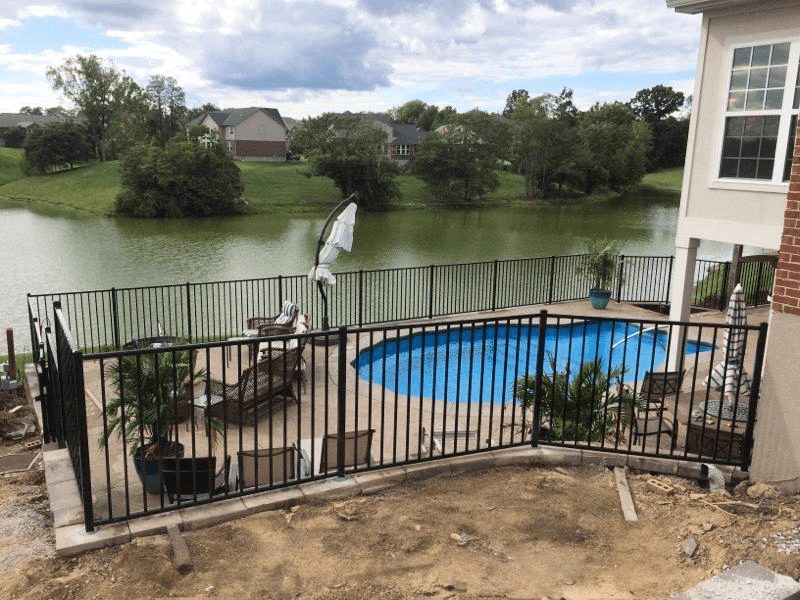
You finally get the pool up, the kids plan cannonballs, and one question nags at you. Do you need a pool fence for above ground setups in Kentucky, or does the pool itself count as the safety barrier?
Read More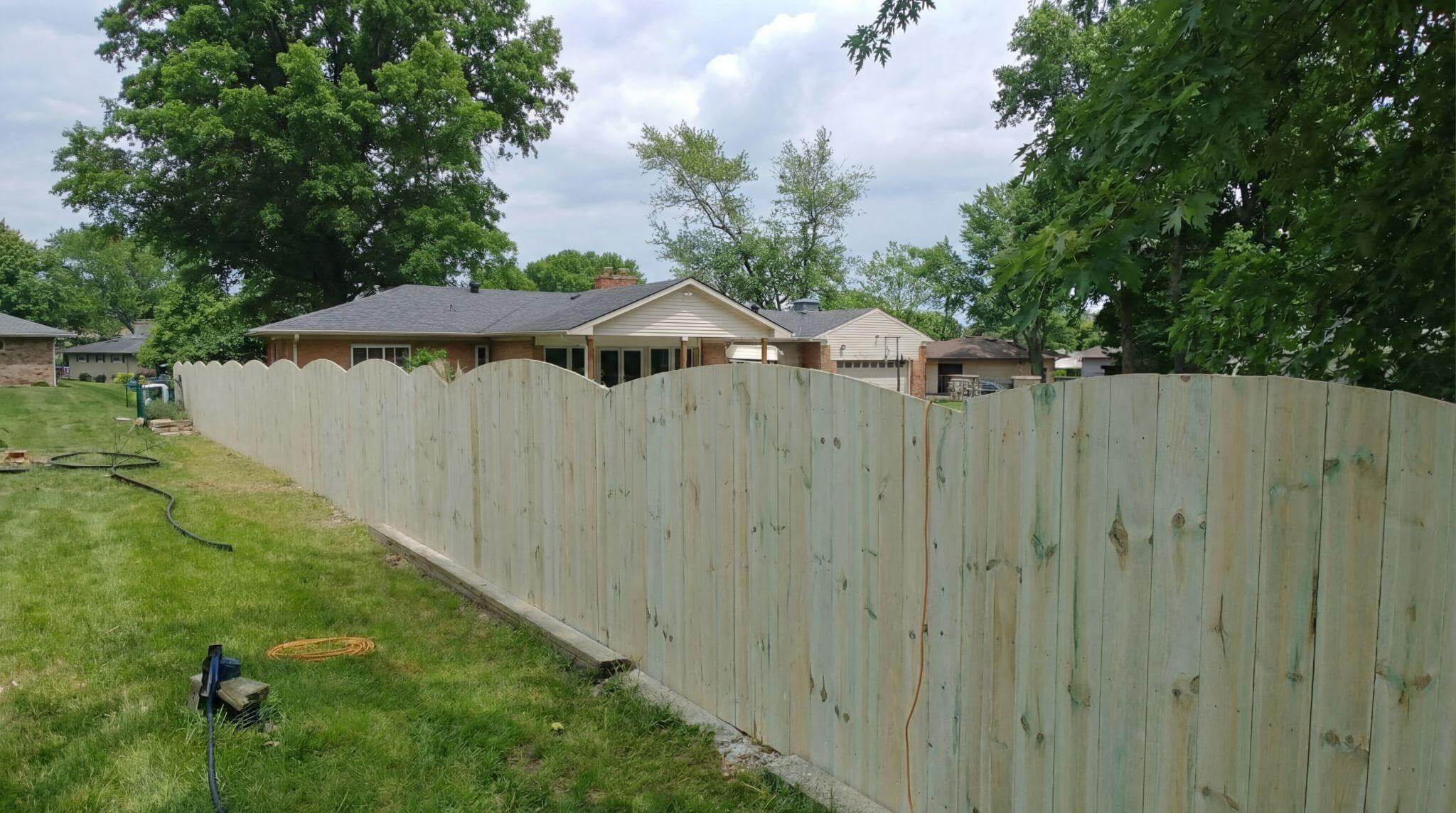
You let the dog out for two minutes, glance up, and the gate is already swinging. In Northern Kentucky, that scenario plays out daily because most yards weren't built with escape artists in mind.
Read More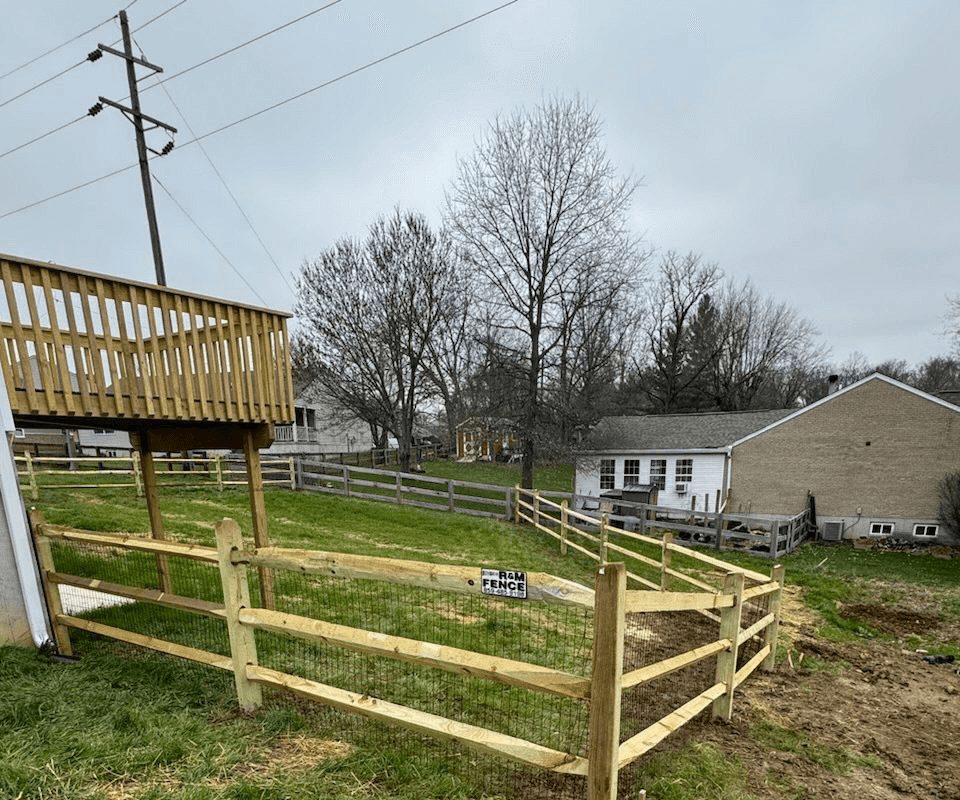
What is a split rail fence? It’s an open, post-and-rail boundary that keeps your yard feeling wide. In Kentucky yards, it marks the line without turning the view into a wall.
Read More