
Commercial privacy fences are one of the simplest ways to tighten control around a site. It guides traffic, protects assets, and keeps sensitive zones discreet. On busy sites, small gaps create big problems: shortcut footpaths...
Commercial privacy fences are one of the simplest ways to tighten control around a site. It guides traffic, protects assets, and keeps sensitive zones discreet. On busy sites, small gaps create big problems: shortcut footpaths...
Commercial privacy fences are one of the simplest ways to tighten control around a site. It guides traffic, protects assets, and keeps sensitive zones discreet.
On busy sites, small gaps create big problems: shortcut footpaths, after-hours loitering, exposed storage, and chaotic deliveries. You need screening that supports safety, plus access that stays controlled.
Today, we break down commercial privacy fencing options, how each performs in real conditions, and what drives long-term cost. If you want a fence plan that fits your property and budget, R&M Fence is a solid place to start.
Commercial privacy fences are perimeter barriers that block sightlines and discourage entry. They also mark where public space ends and controlled space begins.
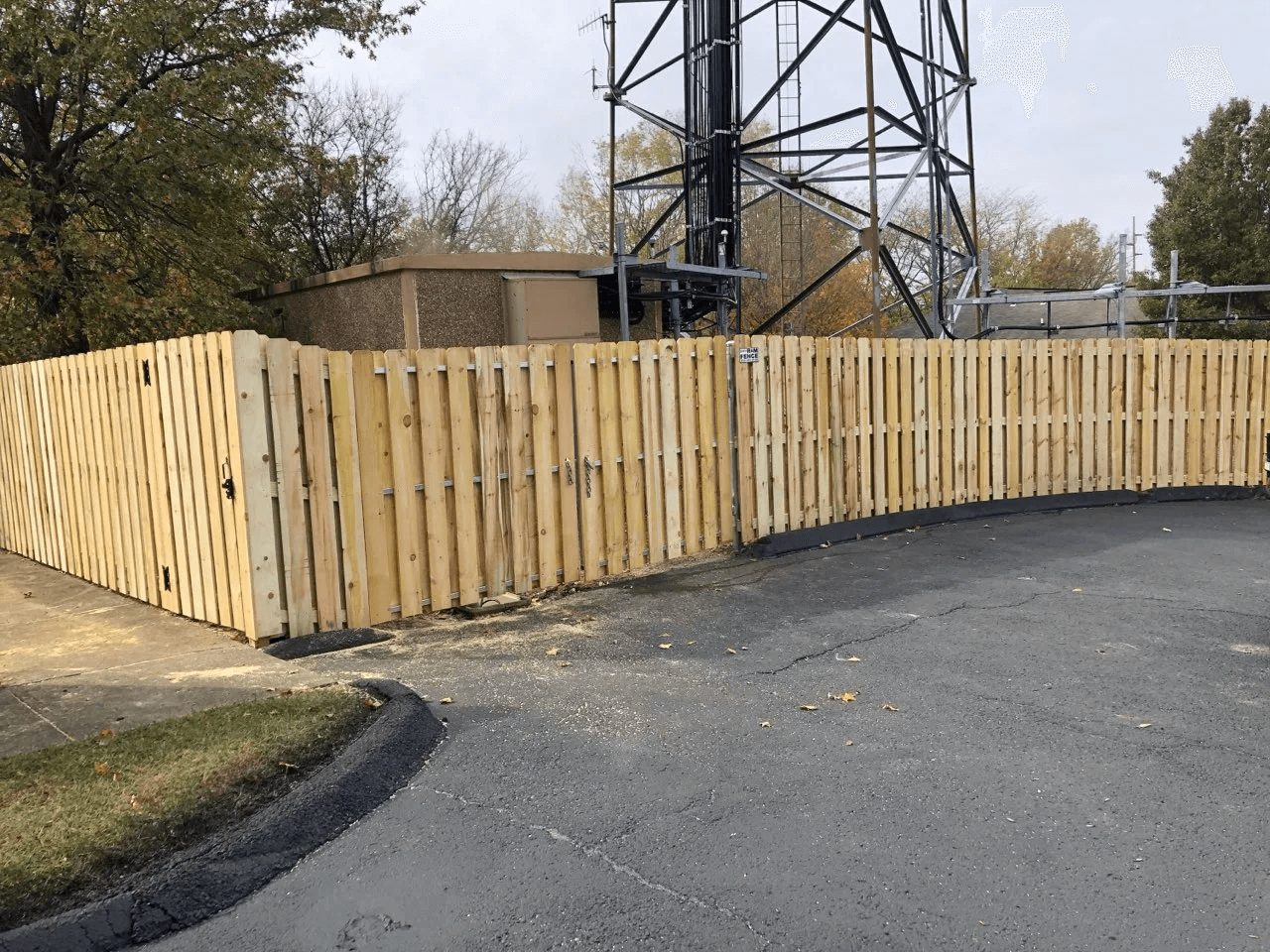
You will see them around loading docks, equipment yards, dumpsters, outdoor storage, schools, and HOA areas. Those places need privacy, yet they also need predictable movement, so gates and access points matter as much as panels.
In a well-planned commercial privacy fencing layout, the fence works with lighting, cameras, and controlled entry to add delay and clarity, rather than creating blind spots.
As reported by the Cybersecurity and Infrastructure Security Agency, perimeter barriers and managed access points are standard elements in facility security planning.
A solid design supports safer boundaries, cleaner operations, and a calmer site edge.
Choosing among commercial privacy fences usually comes down to three questions: what you want to block, what you want to resist, and what you want to maintain over time.
Before you compare materials, it helps to understand the different privacy fence styles and how each performs on active, high-traffic properties.
Here are the most common options you will see on commercial sites.
Chain link becomes a privacy fence when slats or screening fill the mesh, reducing visibility while keeping the structure lightweight.
It is a practical fit for large perimeters and storage yards because it scales cleanly, repairs stay simple, and sections can be adjusted as your site changes.
If your site needs a security-first perimeter, commercial chain-link fencing is often the most efficient way to combine visibility control with reliable access management. You can also add gates and anti-climb features where local rules allow, which helps keep access predictable.
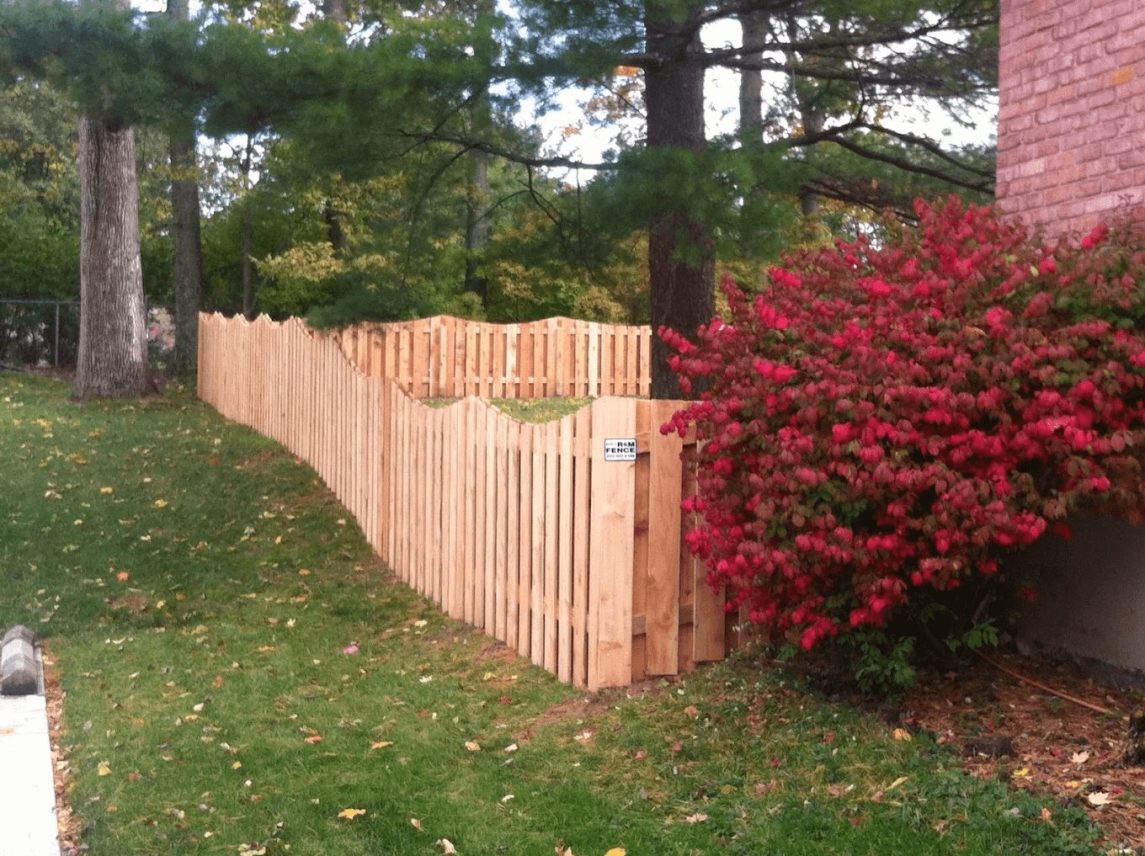
Wood fencing gives you a true full-privacy look and a warmer street presence on customer-facing properties.
It fits dumpsters, patios, and staff areas because you can set the height, choose board styles, and stain to match the building. Wood needs a little stewardship, especially at posts near soil and in wet zones, so detailing and sealing matter.
The Forest Service guidance explains how protective measures and material choices extend service life, helping you budget for upkeep before you commit.
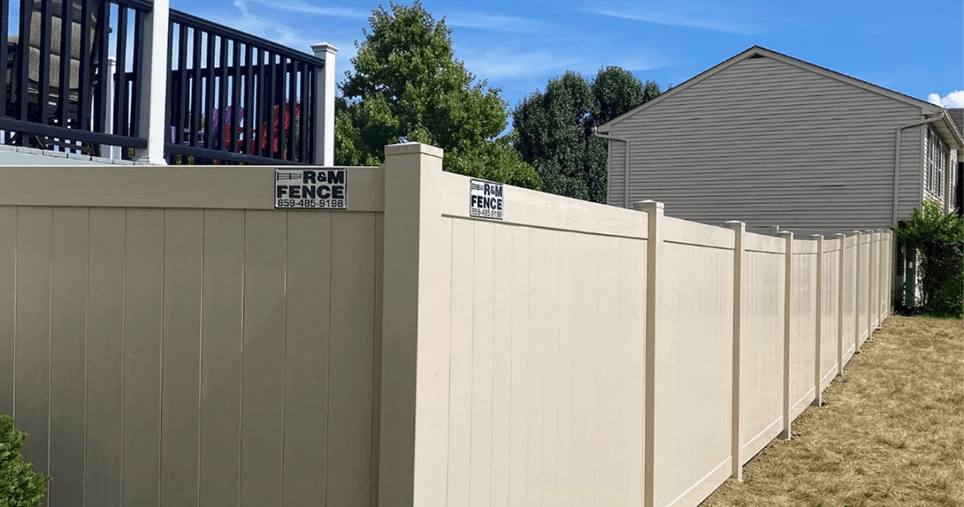
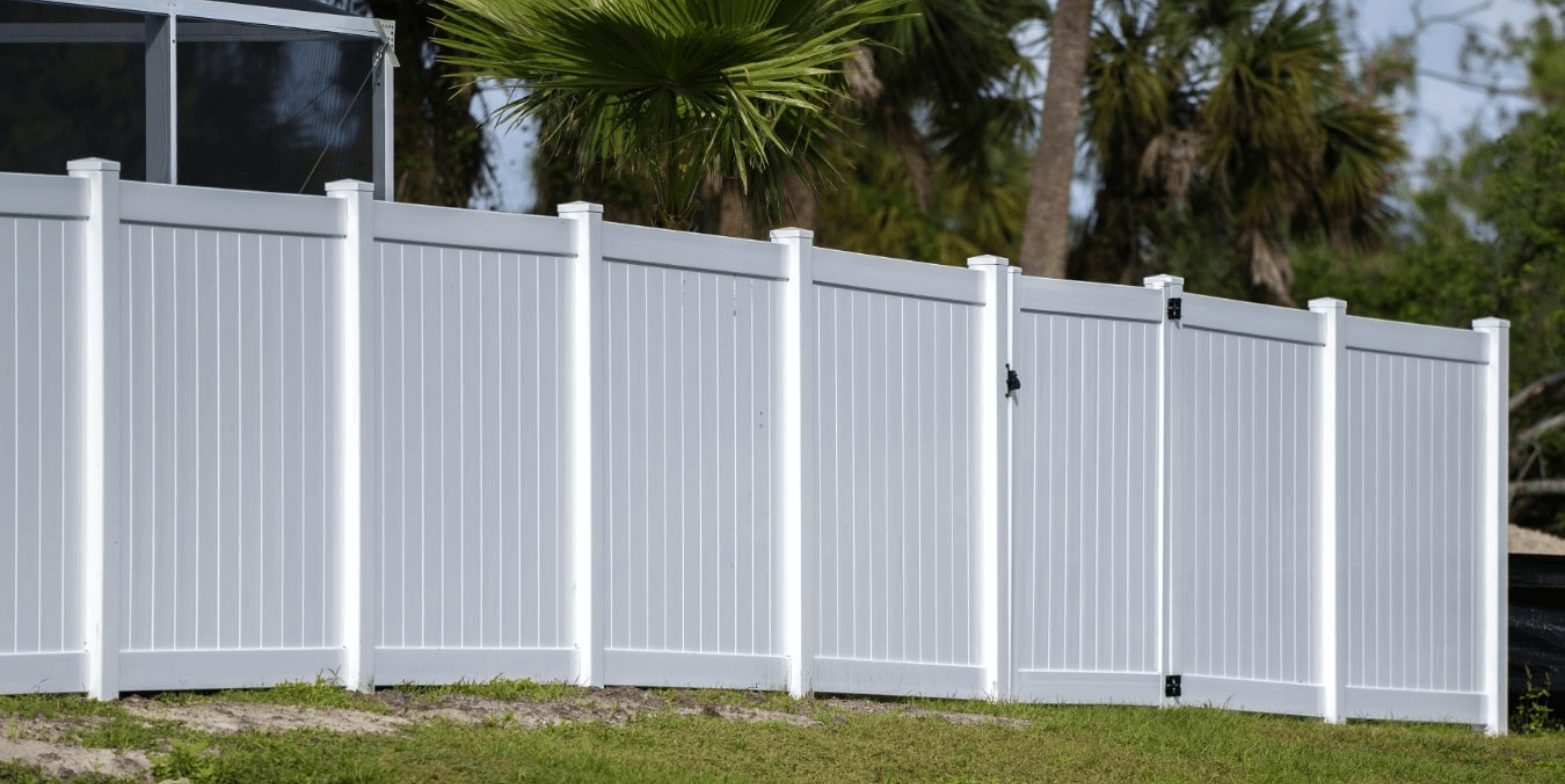
Vinyl privacy panels give a clean, uniform edge and require little upkeep and minimal light. You usually wash them and check the hardware instead of sanding or staining.
Schools, HOAs, and customer-facing sites pick vinyl when a consistent appearance matters across long runs.
It handles moisture well, which helps in areas around sprinklers and in shaded areas.
Impact strength depends on wall thickness and internal reinforcement, so spec sheets matter. It also pairs well with matching gates for a tidy entry experience.
PVC privacy fencing delivers a clean, uniform look while avoiding staining, sealing, and rot common with wood products. This makes it a practical choice for long commercial runs where appearance matters and maintenance interruptions carry real cost, especially near irrigation lines or shaded edges.
Performance still depends on formulation and site exposure.
PVC products designed for outdoor use handle sunlight, heat, and moisture more consistently, which helps the fence hold its color and structural stability over time when matched to the right conditions.
Steel or aluminum privacy fencing provides a straight, modern perimeter that withstands daily wear in busy commercial zones.
Solid panels screen storage and utilities, while mixed infill designs maintain useful sightlines near entries, and understanding the role aluminum fences play in perimeter design helps you choose the right level of privacy, strength, and visibility for your site.
The gate still decides how secure the line feels.
As reported by the UK National Protective Security Authority, perimeter performance improves when the fence line and gates are specified together, since access points and connection details are where failures show up under traffic or deliberate force.
That is the practical reason to treat metal commercial privacy fencing as one coordinated system.
Durability and maintenance decisions tend to shape the real cost of ownership.
A fence that looks affordable on install day can become expensive if it needs frequent repairs, repainting, or panel replacement. That’s why we encourage you to choose material based on your site’s conditions.
Durability and maintenance
Climate and environmental concerns
Local regulations and zoning codes
Privacy fences for commercial properties tend to pay off in practical ways you feel every week, not only in emergencies.
Commercial privacy fences reduce casual access and steer visitors toward the gates you control, which lowers the chance of someone slipping in unnoticed.
That matters because security works in layers. When the perimeter is clear, entry points are intentional, lighting and cameras have cleaner coverage, and access control has fewer points of failure.
You also get a site that feels predictable, since staff and deliveries stop improvising routes and start using the flow you planned.
Noise reduction is possible when a fence blocks the line of sight between a noise source and your property edge. Height helps, and length plus placement often decide how noticeable it feels.
The INDOT noise barrier brochure notes that effective barriers typically reduce traffic noise by 5-10 dB in highway settings. If your commercial privacy fence has gaps, short runs, or sits too far away, the benefit fades, so solid, continuous panels placed near the source tend to work best.
Privacy fencing can hide storage, trash enclosures, mechanical equipment, or work zones that distract from the main frontage.
If you manage a multi-tenant property, that clean edge can also reduce tenant complaints about visual clutter, and the long-term upside often ties back to how privacy fencing supports property value by improving first impressions and keeping service areas out of sight.
A clear fence line reduces confusion with neighbors and keeps daily operations where they belong. It also gives staff, vendors, and delivery drivers a visual cue that guides movement, which is especially important on busy sites with mixed foot and vehicle traffic.
Gates matter as much as fence panels.
A privacy fence becomes truly functional when it funnels visitors, staff, and vehicles to the appropriate entry points, where access control and monitoring can do their work.
| Category | Residential privacy fences | Commercial privacy fences |
| Primary goal | Visual privacy and curb appeal | Privacy plus site control and security support |
| Typical loads | Light daily use | Heavy daily use, higher traffic, and more contact risk |
| Height and span | Shorter runs, smaller footprints | Longer runs, larger perimeters, and higher span demands |
| Materials and framing | Lighter-duty materials and posts | Stronger frameworks built for durability and impact |
| Gates and access | Fewer gates, simpler hardware | More gates, stronger hardware, and planned traffic flow for people and vehicles |
| Maintenance impact | Repairs are inconvenient | Downtime disrupts operations and access patterns |
| Risk tolerance | Lower stakes if a section fails | Higher stakes if access control or weak points fail |
If you are protecting equipment, inventory, or students, a commercial-grade design matters because weak points are found quickly, especially around gates and corners.
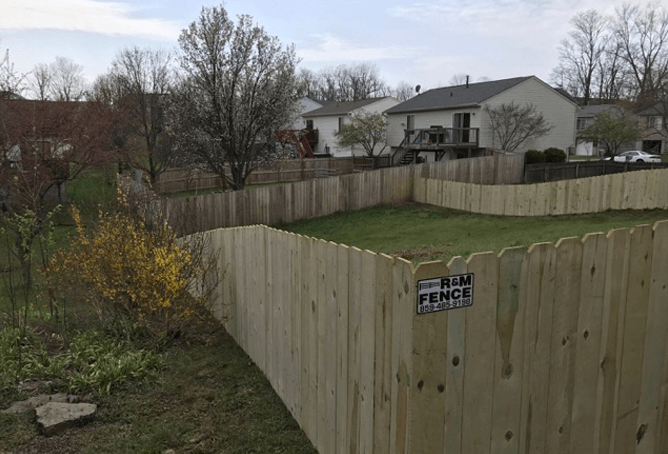
Commercial privacy fencing can match your property’s look without sacrificing control, which is important on customer-facing sites and multi-tenant campuses.
You can customize panel styles, finishes, and colors to keep long runs consistent and add toppers where code allows. Mixed-material layouts also help, since you can screen storage while keeping visibility near entrances.
Integration is where commercial privacy fences really earn their keep.
Plan the fence around vehicle, pedestrian, and emergency gates, and align it with access controls, lighting, and camera sightlines so the perimeter functions as a single system.
Permits and compliance decide if a commercial fence project stays on schedule or gets stuck in rework, so you avoid change orders and inspection surprises later. Zoning rules affect height, setbacks, materials, and corner visibility, especially near streets and driveways, and some districts add line-of-sight or noise limits.
Accessibility also matters around public routes and gate access points. The ADA Standards set baseline requirements for accessible routes and operable parts, which can influence gate width, latch hardware, and clear maneuvering space.
Treat security and compliance as one plan. When gates, lighting, and cameras align with approved layouts, the perimeter supports control without creating code issues.
| Topic | Professional installation | DIY installation |
| Planning and layout | Measures for slope, corners, grade changes, and property lines so runs stay straight | Layout often misses grade shifts and corner geometry, which creates uneven lines. |
| Utilities and boundaries | Accounts for utilities and verified boundaries to reduce relocation and rework | Higher risk of hitting utilities or building offline. |
| Post depth and spacing | Sets depth and spacing to match soil conditions and fence type | Posts are often set too shallow or uneven, which weakens the structure. |
| Drainage and longevity | Plans drainage at posts and footings to limit rot, heave, and shifting | Water pooling near posts can shorten the lifespan and cause movement. |
| Gates and hardware | Builds gates to stay aligned under daily cycles with correct hinges and latches | Gate sag and latch misalignment are noticeable with frequent use. |
| Code and permits | Supports permitting and code-aware details so inspections pass cleanly | Permits and compliance steps are easy to miss or misinterpret. |
| Finish quality | Consistent panel lines and clean frontage appearance | Runs can look fine up close but uneven from the street. |
| Best fit | Sites using access control, cameras, high traffic gates, or strict compliance needs | Small, low-risk sections with minimal gate use and simple terrain. |
Costs vary because sites vary. Commercial privacy fences are priced based on your footage, height, and the level of control required for your access. Reviewing the cost factors that shape privacy fencing helps you estimate budget ranges before you lock in materials and gate hardware.
Key drivers include:
Longevity changes the math, since frequent repairs raise annual cost. NPSA perimeter guidance notes perimeter measures should deter, detect, and delay, so spending a bit more for a system that holds alignment and secures gates can reduce risk and disruption over time.
A commercial fence lasts longer when you treat it like routine property maintenance, not a one-time install. Small checks catch shifting early, especially at gates where daily cycles stress hinges and posts.
The same habits used for seasonal chain link fence maintenance tips apply well to privacy slats, ties, and high-use perimeter runs.
The LSU guide highlights routine inspections, vegetation control, and hardware upkeep as essentials, which is why a simple checklist pays off year after year.
You want a fence that looks right, functions cleanly, and holds up to real use.
Our approach stays focused on clarity and durability. We plan around your traffic flow, select materials that fit exposure and impact risk, and schedule work with commercial access needs in mind. You also get steady communication, so you know what is happening on site and what to expect.
If your project includes gates, access control, or a complex perimeter, planning matters as much as installation quality. Learn more about our commercial fence installation services and how we scope projects for long-term performance.
Commercial privacy fences help you control access, protect what you store, and keep daily operations moving without unwanted eyes on sensitive areas.
The best choice comes down to how your site works in real life. Foot traffic, vehicle flow, exposure to weather, and the level of upkeep you want to manage all shape the right material and layout.
If you want a plan that fits your property and holds up under real use, reach out through our commercial fencing contact page. You can also review our commercial fencing services for businesses to see common options and starting points before you talk through your site details.
Height depends on local zoning, district rules, and corner sightlines near streets. Many areas allow taller runs on side or rear lines. Treat commercial privacy fences as a code item, and plan gates so routes remain accessible.
A fence can reduce noise by blocking the direct line between the source and receiver. Solid, continuous panels placed close to the source help most. For commercial privacy fencing, gaps and short runs reduce the benefit.
Pick materials based on impact risk, sun and moisture exposure, and the level of maintenance you can support. Chain link suits large yards, vinyl stays uniform, wood looks classic, and metal stays rigid. Commercial privacy fences work best when gates match the system.
Permits are common and usually depend on height, placement, and distance from public rights-of-way. Some sites face design review or corner visibility limits. Commercial privacy fencing should be planned with inspections in mind to avoid rebuilds.
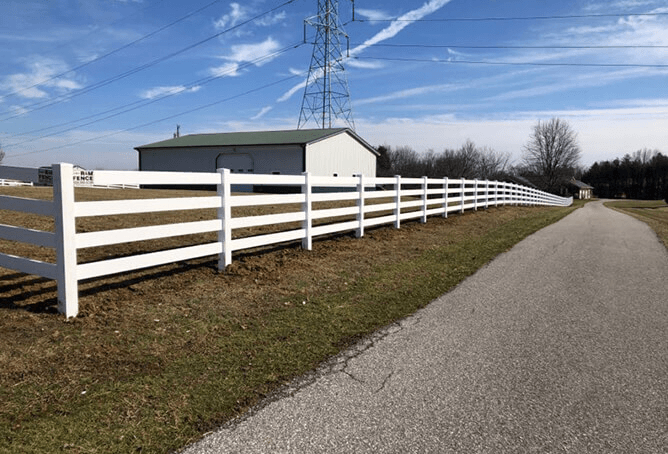
How long do wood fences last? You ask it when a post leans, a gate drags, or you are investing in a fence you want to keep.
Read More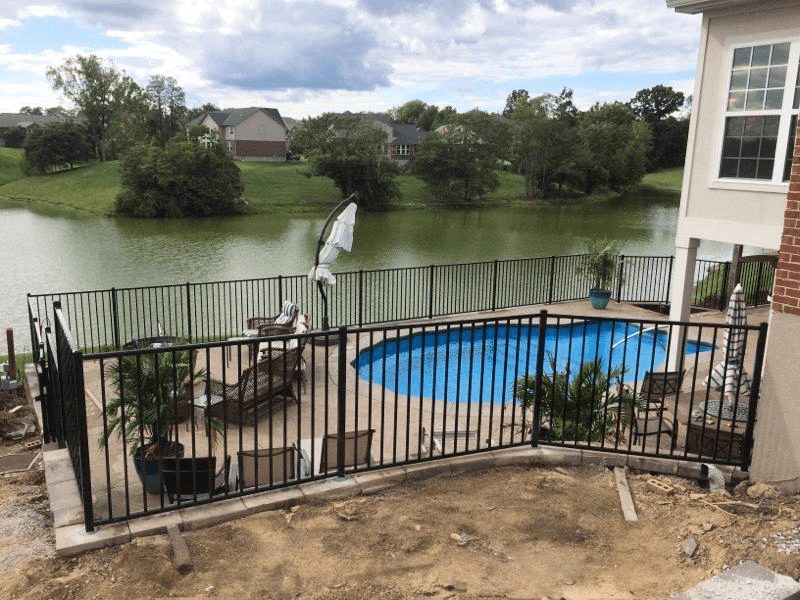
You finally get the pool up, the kids plan cannonballs, and one question nags at you. Do you need a pool fence for above ground setups in Kentucky, or does the pool itself count as the safety barrier?
Read More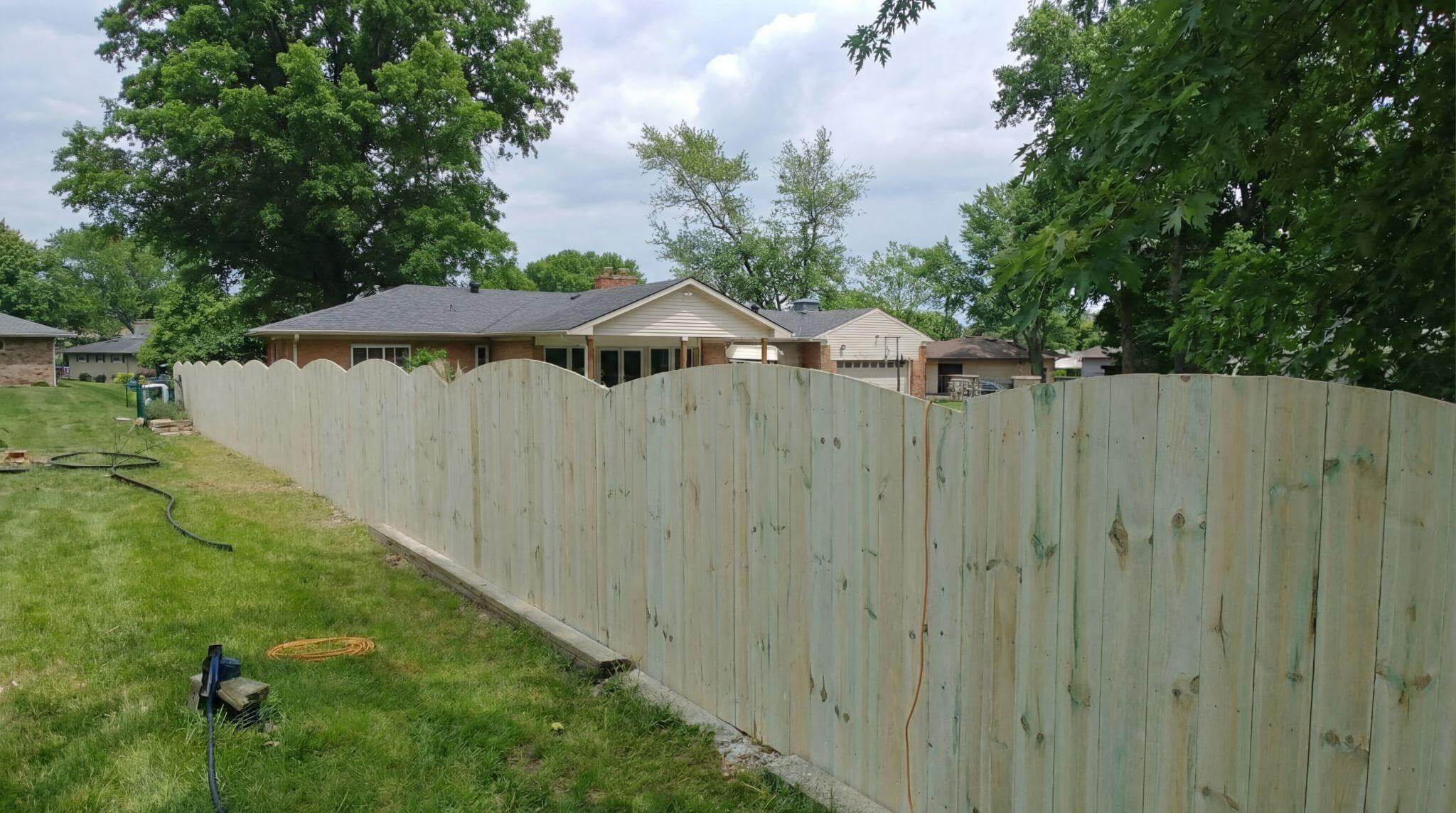
You let the dog out for two minutes, glance up, and the gate is already swinging. In Northern Kentucky, that scenario plays out daily because most yards weren't built with escape artists in mind.
Read More