
You finally get the pool up, the kids plan cannonballs, and one question nags at you. Do you need a pool fence for above ground setups in Kentucky, or does the pool itself count as the safety barrier?
You finally get the pool up, the kids plan cannonballs, and one question nags at you. Do you need a pool fence for above ground setups in Kentucky, or does the pool itself count as the safety barrier?
You finally get the pool up, the kids plan cannonballs, and one question nags at you. Do you need a pool fence for above ground setups in Kentucky, or does the pool itself count as the safety barrier?
Pool rules are enforced locally, so the answer can change from one city line to the next. Wall height matters, but ladder access matters more. A nearby deck can do it too.
At R&M Fence, we help you confirm requirements, plan the layout, and choose gates that latch cleanly. You stay confident, even when inspections are involved.
Most homeowners want a clean yes or no. In Kentucky, the answer usually starts with your local ordinance and the department that enforces it through permits or inspections for your address.
That is why two neighbors can hear different requirements across a city line.
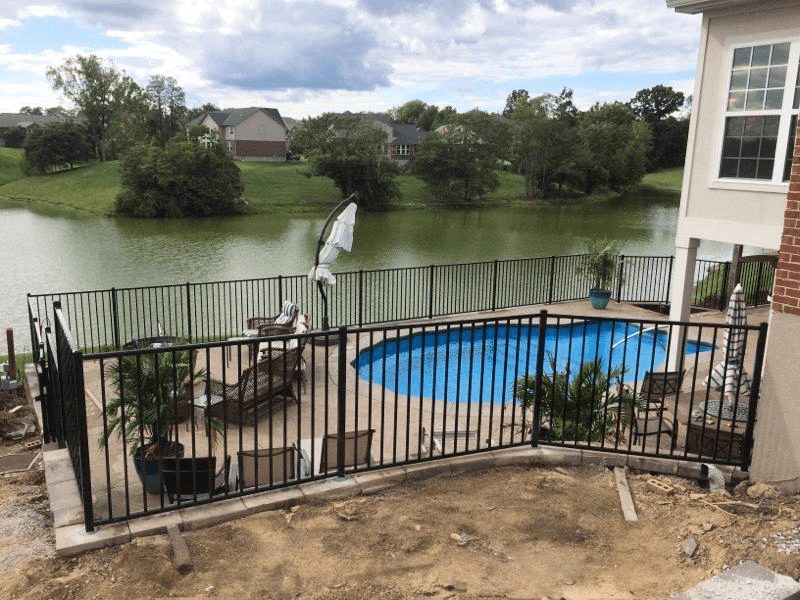
Above-ground pools add a twist because access matters more than the label. A tall wall helps, but a ladder left down, a deck, or a slope can turn it into easy entry. The City of Dayton outdoor swimming pool rules require a fence or wall with a self-closing or self-locking gate for above-ground pools.
Plan your pool fence for above ground like a barrier is required until the local office confirms otherwise in writing. HOA rules can be stricter.
Most codes and ordinances do not care whether the pool is “in-ground” or “above-ground” the way homeowners do. They focus on water depth and access, so many definitions key off 24 inches of water and treat it as a swimming pool under barrier rules.
Common above-ground situations that can still trigger above ground pool fence requirements include:
Local ordinances often spell out the depth trigger and expect the water to stay inaccessible to small children unless a barrier or compliant gate stops entry.
If your pool meets the local definition, the barrier section usually applies, even when the pool is seasonal. The Kentucky Residential Code swimming pool section spells out barrier definitions and design controls.
When the wording is unclear, the building official’s interpretation drives permits and inspections. You do not want your project resting on a social media guess.
A barrier is any setup that prevents unsupervised entry, especially by children. In Kentucky code language, that can include a fence, a wall, or even a building wall used as part of the enclosure when extra protections are added.
Most homeowners land in one of three compliance paths.
Ladders are the hinge point for above-ground pools because they turn a tall wall into an easy entry. Wall height does not help if the ladder stays down, ready to climb.
Most codes treat ladders or steps as the access point, so they only work when you control them without an enclosure:
The goal is simple, a child should not reach the water without defeating a real control.
Kentucky has statewide code documents that lay out barrier basics, including height, opening limits, and climb resistance.
Even so, enforcement runs through local permits and inspections, which is why the Kentucky Division of Building Codes Enforcement emphasizes plan review and compliance at the jurisdiction level.
You can see this pattern in Northern Kentucky ordinances.
Many cities require a fence or wall for above-ground pools unless the pool wall meets the minimum height, and they expect gates and ladder access to be controlled.
Use a tight checklist so the call stays simple and you get a usable answer.
These are typical patterns, not promises, because local amendments can change details. Still, a lot of Kentucky-area requirements rhyme with the same safety logic.
Many standards target a minimum barrier height around 48 inches measured from the outside grade, plus rules intended to reduce footholds and easy climbing. Kentucky pool barrier language also flags keeping structures and objects from becoming climb assists near the barrier.
A practical gut-check helps. If a chair, grill, stacked planters, or horizontal rails create a “ladder effect,” the barrier stops acting like a barrier, which is why picking the right privacy fence styles for pool areas matters more than most homeowners expect.
Self-closing and self-latching gates show up again and again because gates are the failure point that kids actually use.
A study by the American Academy of Pediatrics points to four-sided isolation fencing with self-closing, self-latching gates as a key layer that reduces unintended access.
Local ordinances in Kentucky cities also commonly specify gate latch expectations and keeping latches out of easy reach, which is where fence gates that boost function stop feeling like a luxury and start feeling like the whole point of the barrier.
Many code frameworks use an opening limit tied to a 4-inch sphere rule.
The point is to prevent a small child from squeezing through or crawling under, especially where the yard is uneven. This is where DIY installs often slip.
A fence can look straight from the patio and still leave inconsistent bottom gaps that would fail inspection.
If the pool area is directly accessible from the home, some rules look for extra protection beyond the fence line.
Boone County permitting guidance, for example, points to powered safety covers meeting ASTM standards or door alarms listed to UL requirements when a dwelling wall serves as part of the barrier.
Even if your city still does not require that exact approach, ask during your call. It can reshape your above ground pool fence plan quickly.
A fence becomes the safer bet when access is easier than it looks. That is when an above ground pool fence stops being optional and starts acting like the clearest safety boundary:
You have a few reliable paths, and the best choice depends on privacy, visibility, and how your yard is used.
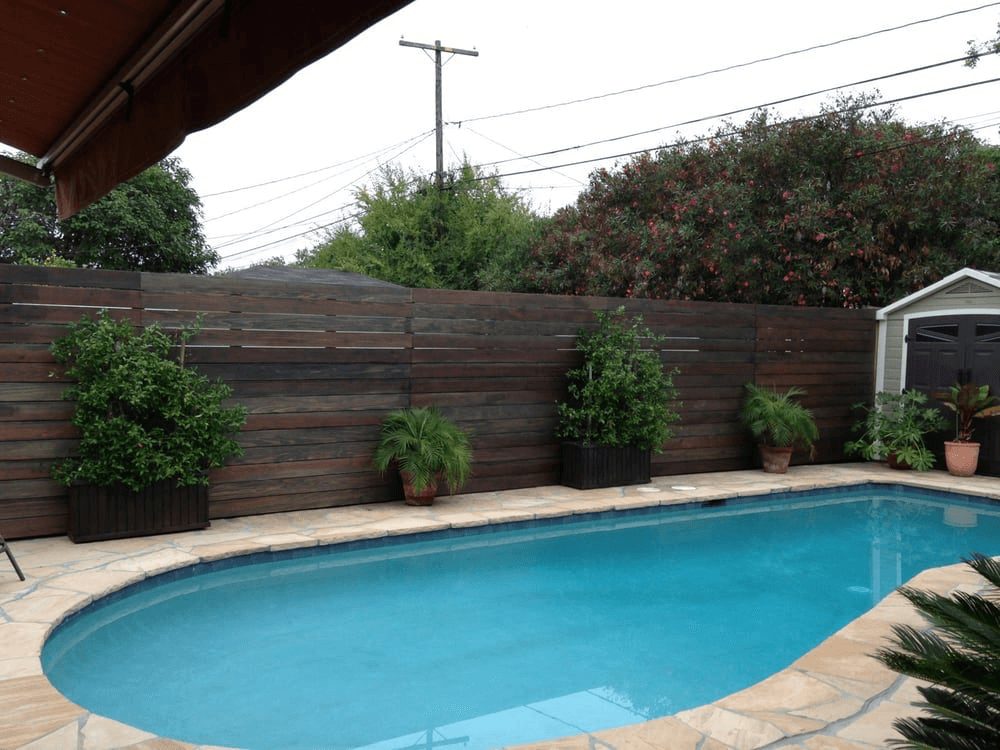
This is best for backyards where privacy matters as much as pool safety.
Gate planning matters here because you want secure latching without creating a hassle every time you carry chemicals or a cover, and budgeting gets clearer when you’ve seen privacy fence cost in Kentucky for similar yard layouts.
If you want to compare materials and styles, see our fence material options
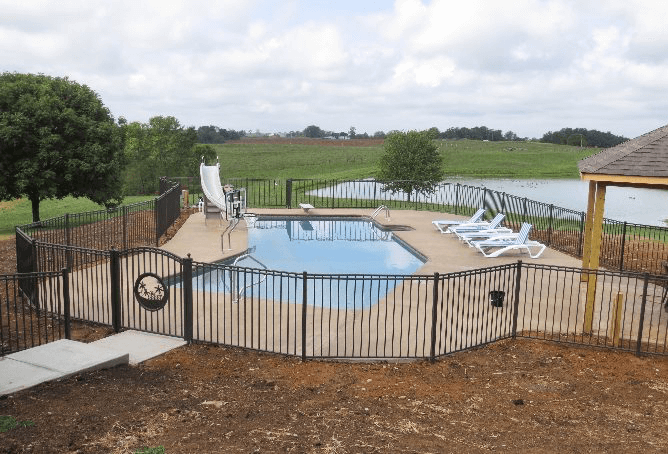
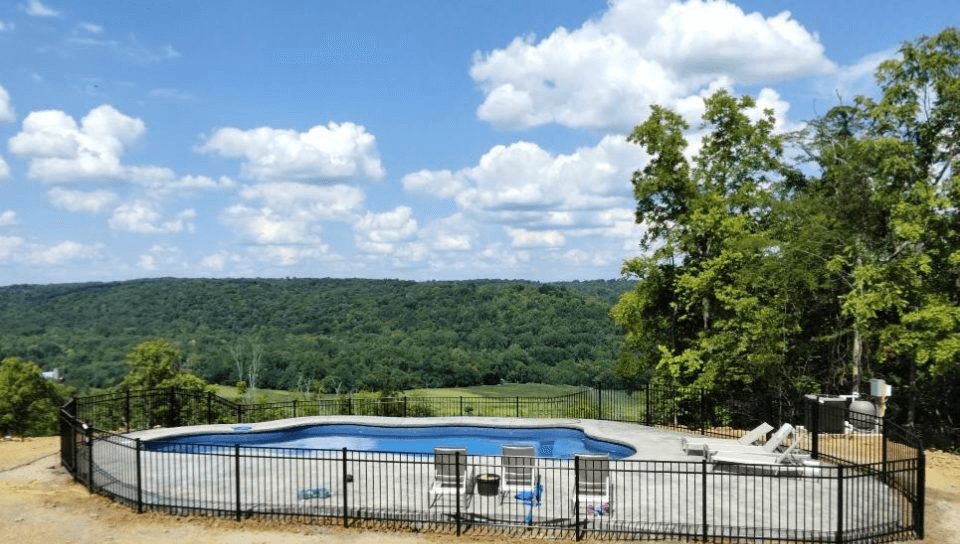
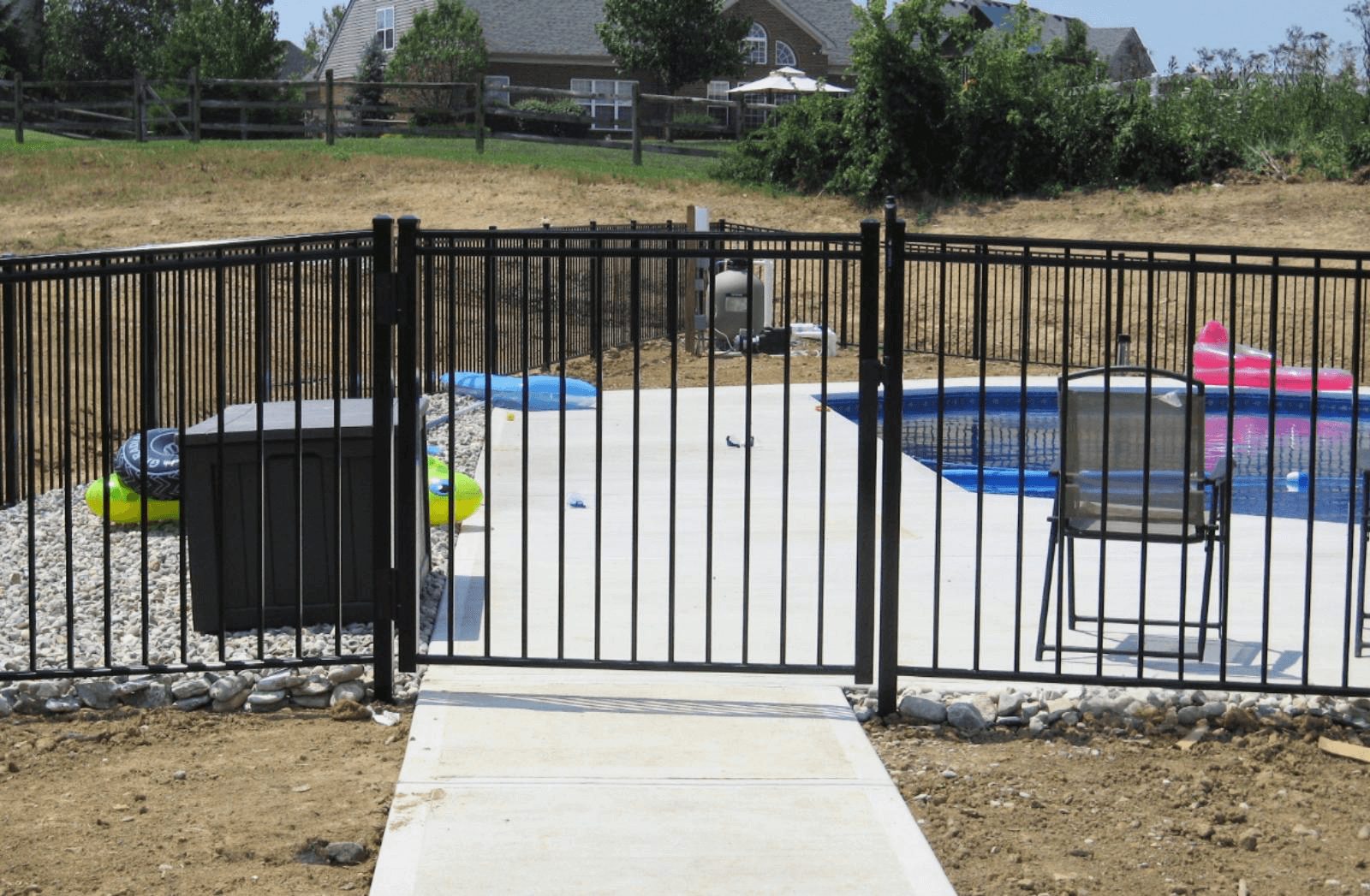
Aluminum is a strong fit when you want visibility for supervision and a clean perimeter around a defined pool zone. The picket style keeps sightlines open, so you can monitor the water from the patio or a window without sacrificing a clear, finished look.
That visibility pairs well with reliable gate hardware.
Aluminum panels are built for tight alignment, which helps gates swing freely, close completely, and catch the latch the way they are supposed to, even after weather and daily use start testing the hinges.
This approach also matches what the CDC drowning prevention guidance emphasizes for safer pool access, including four-sided fencing at least four feet high with self-closing and self-latching gates that separate the pool from the house.
Chain link is functional and budget-friendly for larger yards and longer runs. Some codes also address chain link mesh sizing, so it is worth confirming your local opening limits if you plan to add slats or privacy screens.
If wind exposure is high, privacy screens can act like a sail, which is another reason local guidance matters before you commit.
For pools with decks that create walk-in access, a deck-top enclosure can be the cleanest way to create a continuous barrier at the true entry level. The gate becomes the critical control, so you plan for latching that stays consistent through seasonal movement.
Leave enough room between the fence and the pool for maintenance and circulation.
That space should let you move a pump component, carry a cover, and skim the surface without threading tight corners.
Keep runoff in mind as you set the line. Posts hold up better when water does not pool against them, and those same low spots are where uneven grades turn small bottom gaps into a compliance headache.
Keep furniture, grills, and planters away from the outside of the barrier, because they can become climb assists. The CPSC safety barrier guidance also warns against locating barriers where equipment or objects can be used to climb into the pool area.
Price usually tracks a few predictable drivers. The number moves more from the fence scope than the pool itself, and backyard fence cost in Kentucky is often the quickest way to sanity-check what your linear footage and layout will do to the total.
Budget can jump when the layout needs details:
These are not “extras” if the plan depends on them to stay compliant.
| Focus area | DIY risk | What pros handle | DIY makes sense when |
| Gate close and latch | Gate drags or does not self-close, latch misses | Hinge set, post plumb, latch tuned for consistent self-close and self-latch | One short run, one gate, hardware tested daily |
| Bottom gaps on grade | Uneven ground leaves crawl-under gaps | Grade-following layout, clean bottom line | Flat yard with stable grade |
| Post depth and movement | Posts heave or lean, gate goes out of square | Proper set depth and bracing for local conditions | You can dig, set, and brace correctly |
| Ladder or deck access | Access stays easy even with a “fence” | Layout that blocks shortcuts and keeps entry controlled | No deck access, ladder can be locked or removed |
We plan pool barriers with the same mindset inspectors use. Strong posts, clean gate alignment, and latching that works every single time, even after weather swings, are what keep the setup dependable.
We have been building fences in Kentucky since 1999, and that local context matters when lots slope, soil shifts, and homeowners need a plan that fits the property instead of fighting it. Learn about our company history.
If you want to talk through options, schedule a pool fence consultation.
Above-ground pools can still trigger barrier requirements in Kentucky, especially when access is easy. Wall height helps, yet ladders, decks, and nearby grade changes can turn a “tall” pool into a quick climb.
Your best move is confirming the rule set for your address and building one barrier that stays consistent, latch-secure, and hard to climb. That means thinking about gate swing, latch reliability, and the everyday habits that decide whether the barrier actually works.
At R&M Fence, we measure your yard, recommend the right setup, and install it to match local expectations so you feel steady heading into inspections. If you want help planning a pool fence for above ground pools that fits your layout, contact us today.
Often, yes. Many jurisdictions regulate any pool that holds about 24 inches of water, and some cities require a pool fence for above ground pools unless the wall is tall enough and ladder access is controlled.
Most above ground pool fence requirements focus on a 4-foot barrier, limited openings a child can’t slip through, and gates that self-close and self-latch. Public health guidance also favors four-sided fencing that separates the pool from the house.
Sometimes, but only when the ladder is the control. Many above ground pool fence rules allow ladders or steps as the access point when they can be secured, locked, or removed, and any opening behind still can’t pass a 4-inch sphere. Verify locally.
A yard fence can count as your above ground pool fence if it functions as the barrier. It must keep water inaccessible to small children, with gates that close and latch every time. Some ordinances allow enclosing the whole property, not only the pool area.
For visibility, an aluminum above ground pool fence works well because you can supervise through it while still creating a barrier. The best pool fence for above ground pools is the one that meets height and gate standards and stays hard to climb.
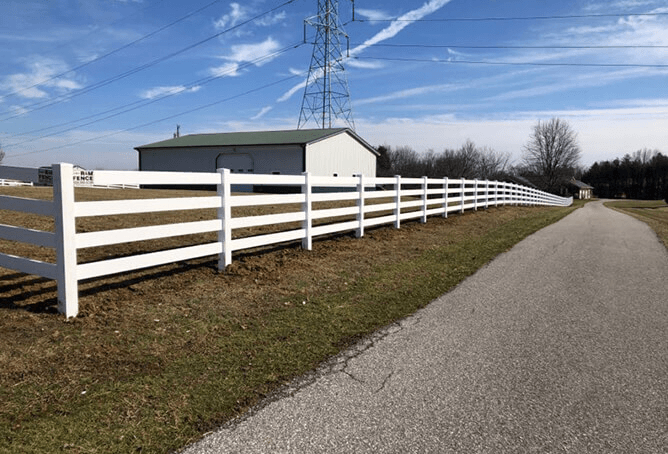
How long do wood fences last? You ask it when a post leans, a gate drags, or you are investing in a fence you want to keep.
Read More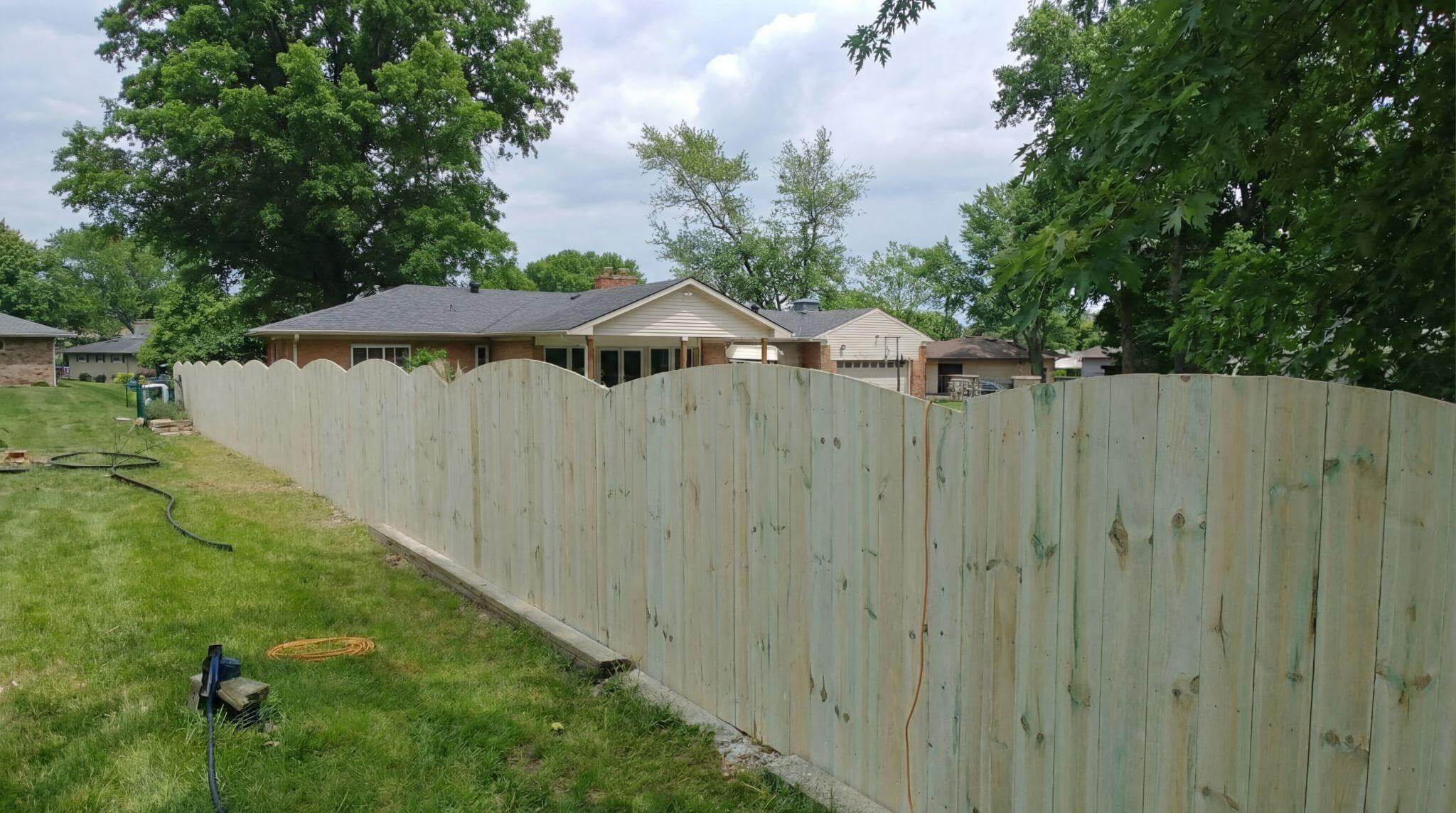
You let the dog out for two minutes, glance up, and the gate is already swinging. In Northern Kentucky, that scenario plays out daily because most yards weren't built with escape artists in mind.
Read More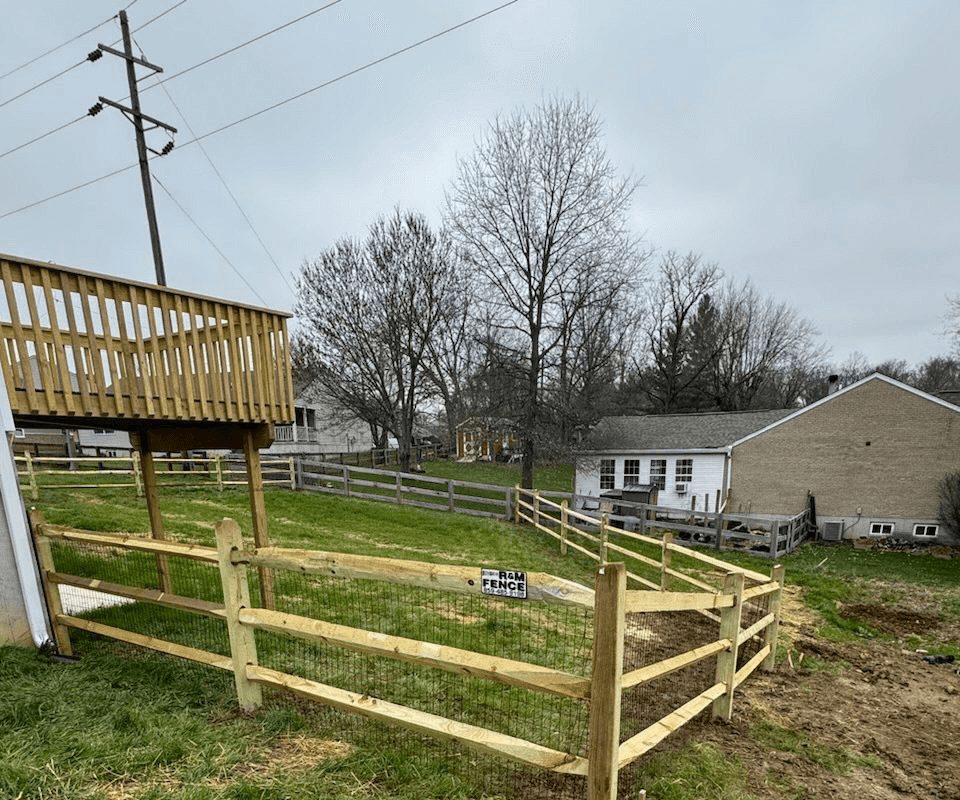
What is a split rail fence? It’s an open, post-and-rail boundary that keeps your yard feeling wide. In Kentucky yards, it marks the line without turning the view into a wall.
Read More