
You let the dog out for two minutes, glance up, and the gate is already swinging. In Northern Kentucky, that scenario plays out daily because most yards weren't built with escape artists in mind.
You let the dog out for two minutes, glance up, and the gate is already swinging. In Northern Kentucky, that scenario plays out daily because most yards weren't built with escape artists in mind.
You let the dog out for two minutes, glance up, and the gate is already swinging. In Northern Kentucky, that scenario plays out daily because most yards weren’t built with escape artists in mind.
A pet safe fence comes down to three things: the right material, ground-level spacing tight enough to stop a determined nose, and gate hardware that outsmarts clever paws.
Get one wrong, and the whole system fails.
The right pet friendly fence depends on your dog’s habits, your terrain, and how deep the posts sit. Before comparing quotes, start with the crew that installs these daily at R&M Fence.
A loose dog is one bad second from traffic, a coyote, or a stranger’s yard. Across Northern Kentucky, you see it every season, and the fix almost always starts at the fence line.
The risk runs higher than most owners realize. According to ASPCA research, about 15 percent of pet guardians lost a dog or cat over a five-year window. A solid pet-safe fence closes the easy exits a clever dog can find in seconds, which is why a proper dog-proof fence matters more than curb appeal.
Beyond escapes, a good pet-friendly fence works in both directions. The CDC notes that fencing your yard protects your dog from wild animals and reduces the risk of unwanted contact with strangers.
That’s the real value of an escape-proof dog fence: you stop policing the yard and start enjoying it.
You can buy the strongest fence on the block and still come home to an empty yard. The right pet-safe fence matches your dog’s habits, not a catalog photo.
Before choosing a material, watch your dog in the yard for a full week. Note what triggers the zoomies, where they sniff the perimeter, and which spots they push into. Those small clues decide whether you need a dog-proof fence, an escape-proof dog fence, or something in between.
Dogs rarely escape five different ways. Instead, they pick a favorite move and repeat it until something stops them. The patterns you see most often are jumping over, digging under, chewing through, climbing the links, and squeezing through gaps near posts.
Breed tendencies usually hint at the right defense:
As the American Kennel Club explains, matching the fence height and barriers to your dog’s habits matters more than the panel’s appearance. That’s why the best fence for dogs that jump differs from a fence for dogs that dig, and why a dog proof fence starts with behavior, not material.
Size sets both your height target and your spacing limit. Small dogs slip through any gap wider than three inches, so picket spacing that suits a Lab becomes a tunnel for a Yorkie.
Big dogs apply different pressure because they lean, jump, and pull on gates daily, which puts the load on the hardware and the post depth. When you own both, you build for the harder case: tighter spacing at the base, taller panels up top.
Once you know your dog’s size and escape style, choosing a material gets easier. You have more options than most homeowners realize, and the best fence for dogs depends on which trade-offs you can live with.
Below, you’ll find the seven most common pet safe fence picks, along with the pros, cons, and the dogs each one suits best.
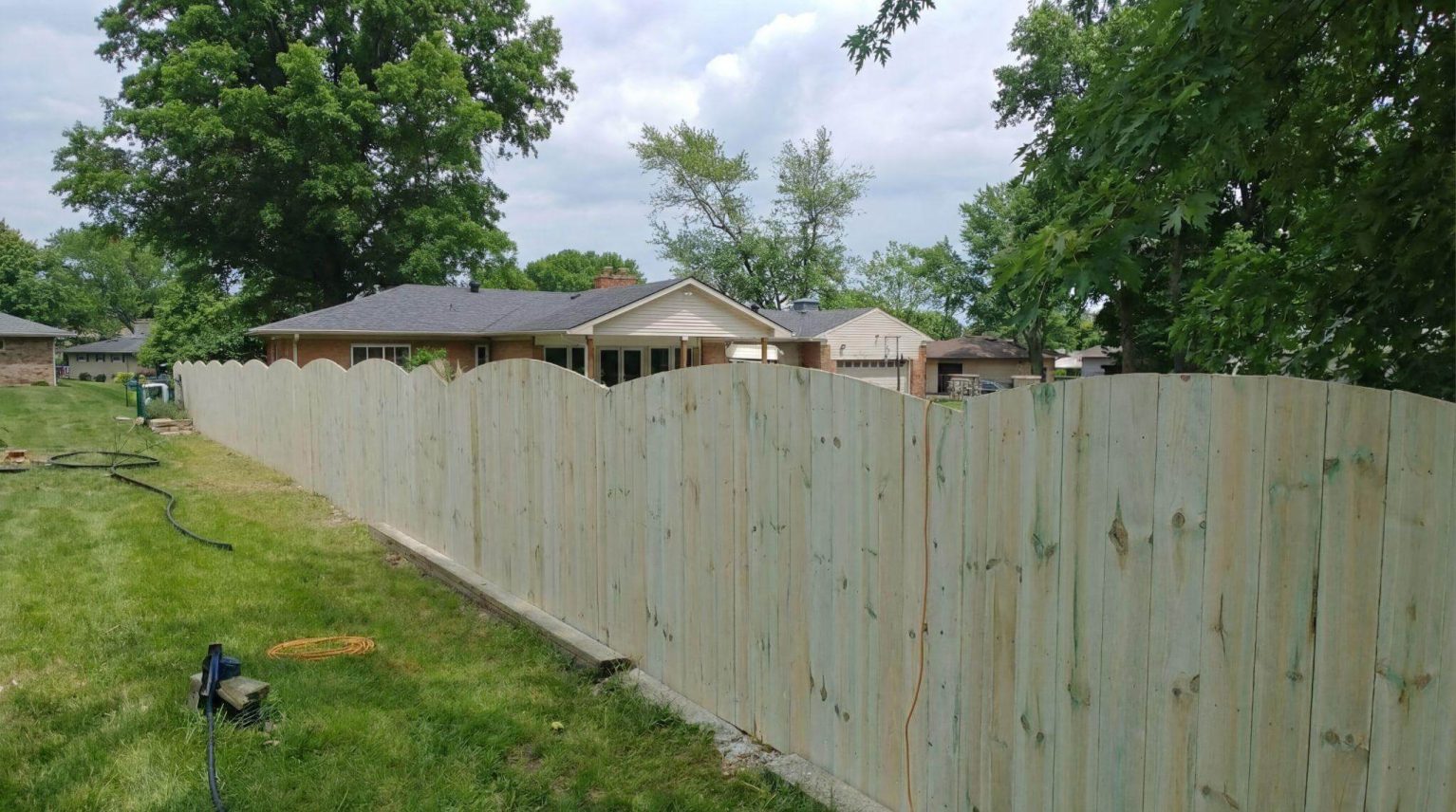
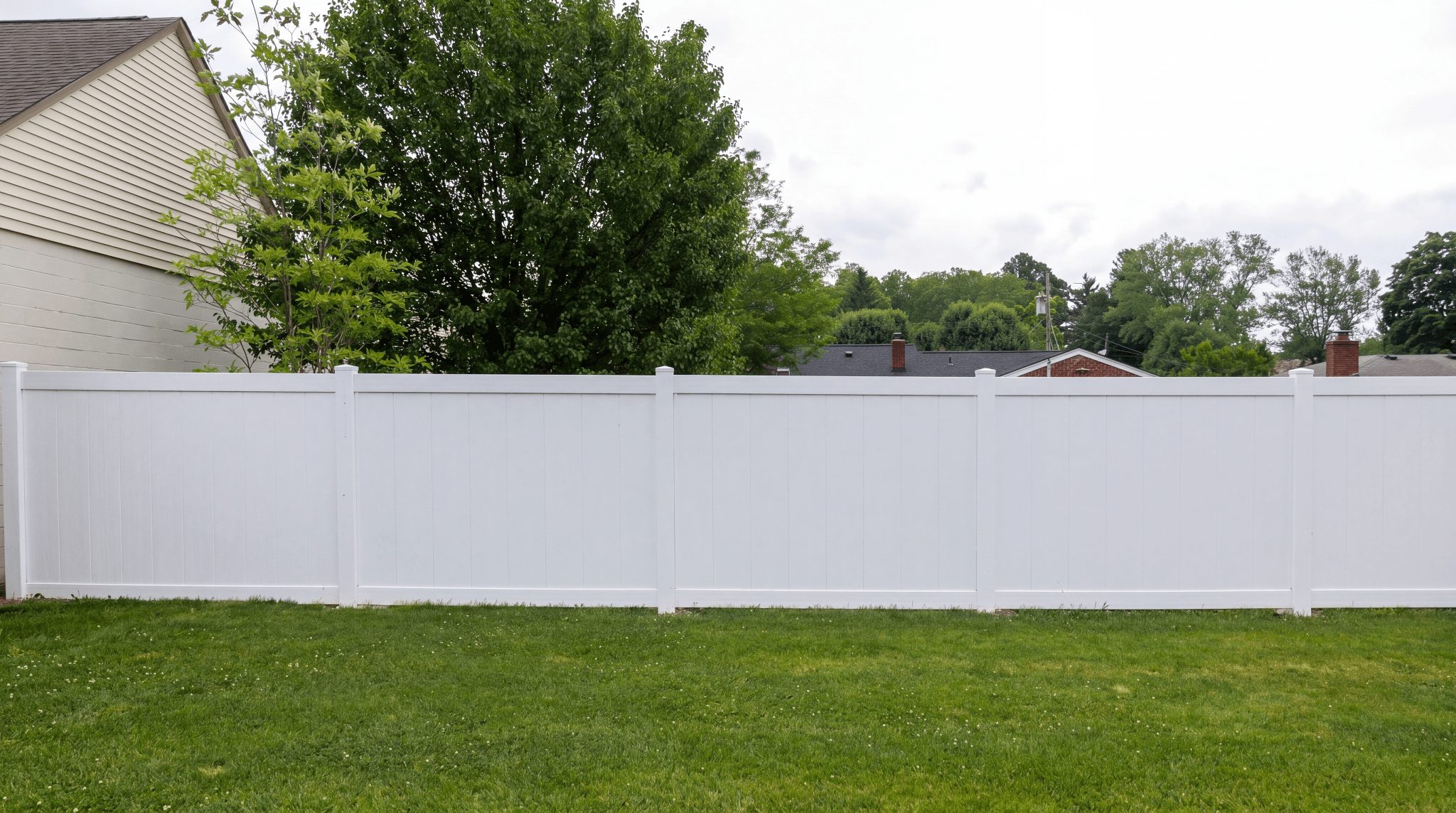
A six-foot wood privacy fence for pets is one of the calmest setups for a reactive dog, since your dog cannot see the mail carrier, squirrels, or the neighbor’s cat, and the barking and lunging drop off quickly.
It also takes away the climb. Vertical boards leave nothing to grip, making wood a strong fence to keep jumpers and chasers in the yard.
The trade-off is upkeep. Chewers target the bottom rail, and Kentucky’s freeze-thaw weather shortens the lifespan of wood fences when there’s no steady seal cycle. For known chewers, add a metal kickboard at install.
Best for: large or reactive breeds, jumpers, prey-driven dogs, and owners who want a wood privacy fence that doubles as backyard privacy from neighbors.
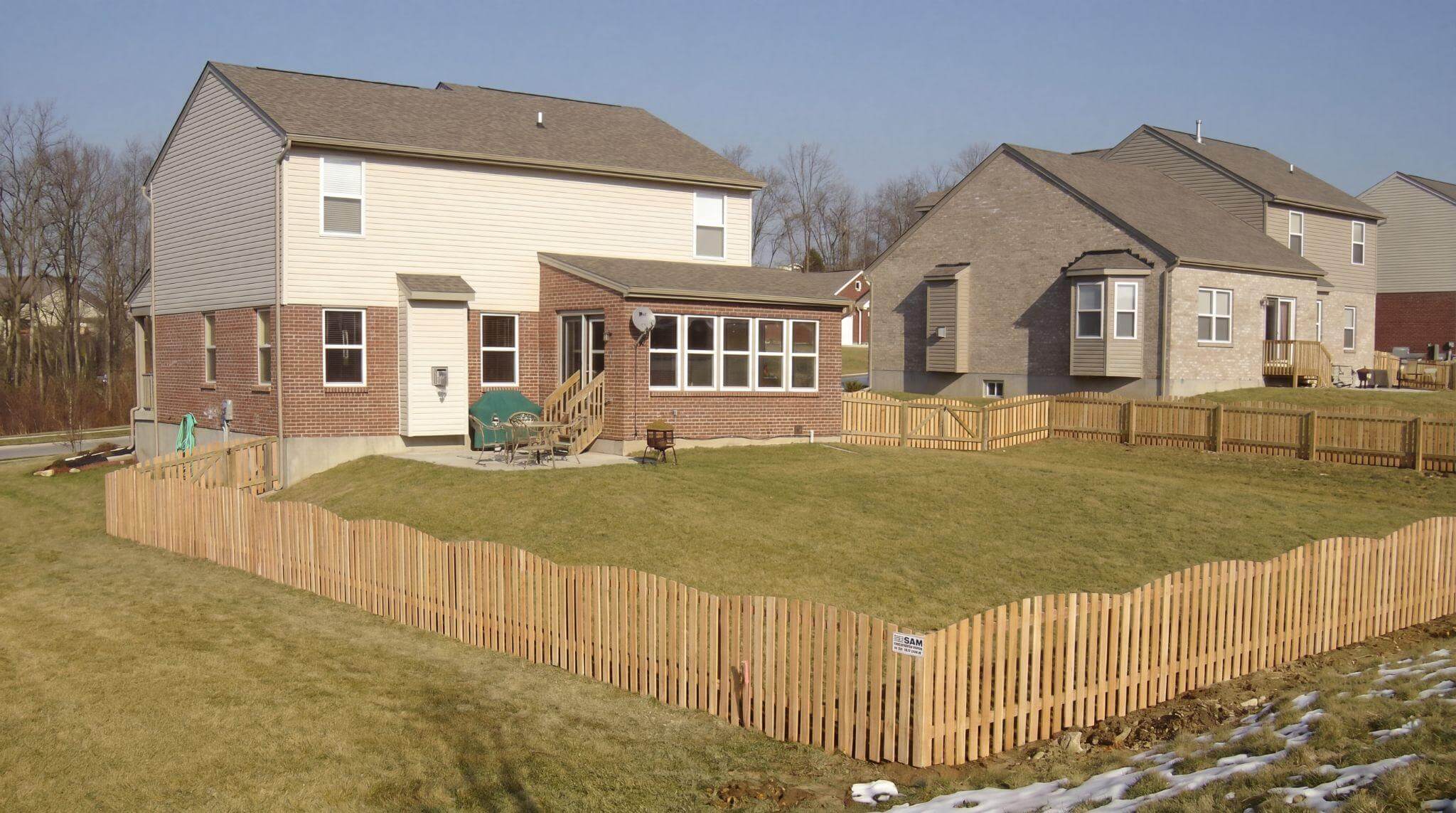
A wood picket fence delivers curb appeal and the friendly front-yard look most homeowners want. While the classic gaps between pickets charm visitors, they can also betray tiny pets.
For calm, small-to-medium dogs that don’t jump or dig, picket spacing works beautifully.
However, for escape artists or anything under fifteen pounds, those gaps turn into a tempting tunnel toward the sidewalk.
Pros: budget-friendly, beautiful, easy to repair panel by panel.
Cons: gaps let small pets squeeze through, and ground clearance widens on uneven yards.
Best for: relaxed small-to-medium breeds in tidy suburban lots, especially homeowners drawn to the timeless look of a classic wood picket fence.
A vinyl fence for dogs is one of the smartest long-term picks for a busy yard. Since the surface is smooth, splinter-free, and tasteless, most chewers lose interest within days.
It also handles weather better than wood. No painting, no staining, no warping, so you hose it down in spring, and you are set.
Pros: chew-resistant surface, weather-proof, decades-long lifespan, and minimal upkeep beyond a yearly rinse.
Cons: higher upfront cost, and a hard impact can crack a panel. Still, the long lifespan puts it in the value column among solid panel options.
Best for: chewers, jumpers, and owners who want a low-maintenance vinyl fence that gives weekends back.
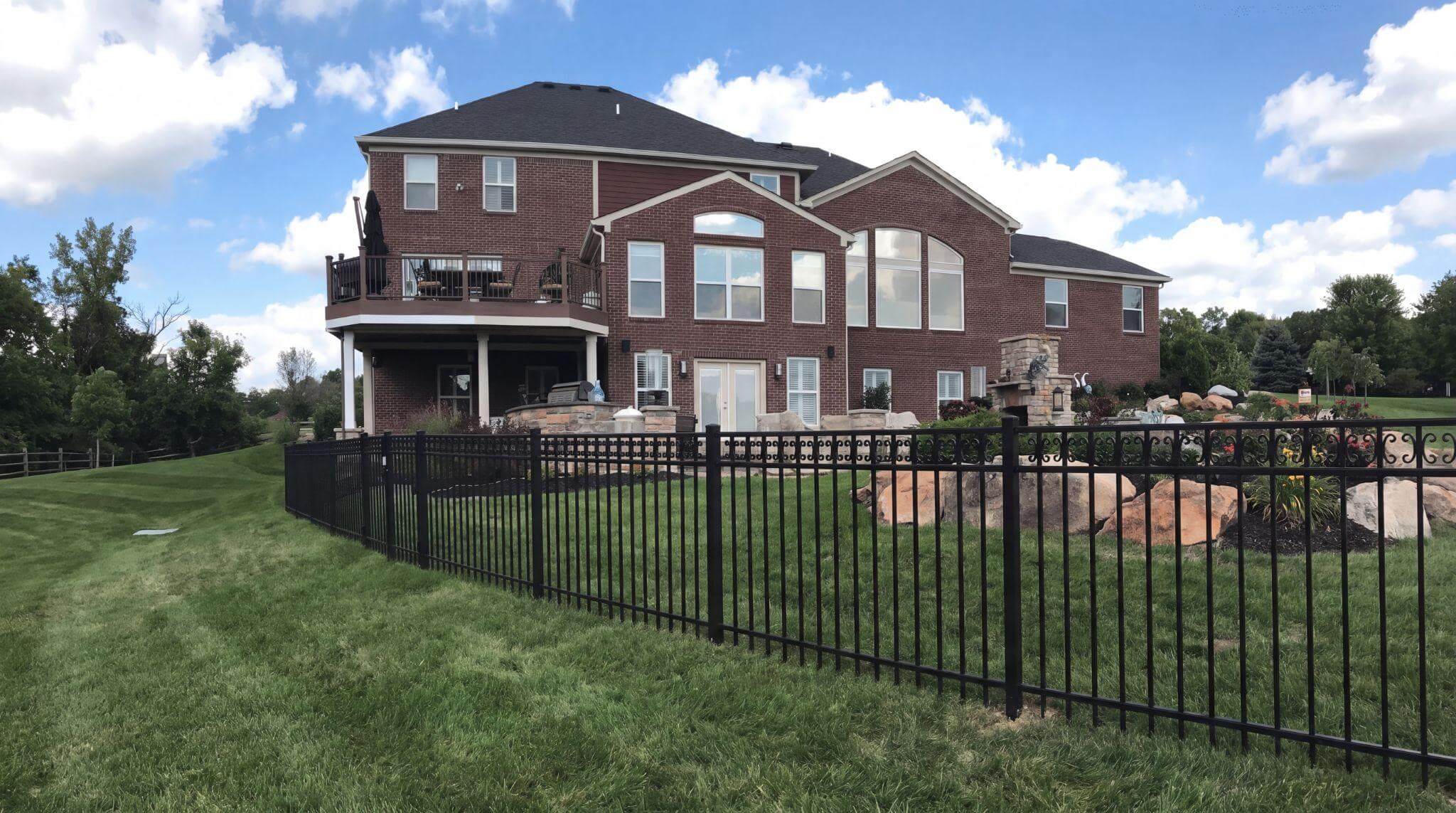
An aluminum fence looks clean, resists rust, and stays strong with little fuss. The vertical bars give dogs nothing to grip, so climbers tend to give up quickly.
The detail to watch is bar spacing. Standard panels are sized for medium and large dogs, so smaller breeds can squeeze through without needing tighter spacing at the bottom. Many manufacturers offer “puppy picket” panels that lock out tiny escape artists.
Pros: long lifespan, low upkeep, great visibility for supervision.
Cons: no privacy, and small-pet gaps need planning.
Best for: medium-to-large dogs, homes with yard views worth keeping, and owners who want a rust-proof aluminum fence with curb appeal.
A chain link fence for dogs is the budget pick that quietly does its job. It contains the dog, maintains visibility, and shrugs off damage even during boisterous play.
The downside is the diamond pattern. Some dogs use those links like a ladder, especially Huskies and other high-drive breeds. Diggers also test the bottom edge, so a buried bottom rail or wire mesh underground keeps the perimeter solid.
Pros: cost-effective, durable, fast to install on long runs.
Cons: no privacy, climbable for some breeds, and the open view can crank up reactive dogs.
Best for: budget-conscious owners with mellow dogs and yards where a galvanized chain link fence makes sense for long perimeters.
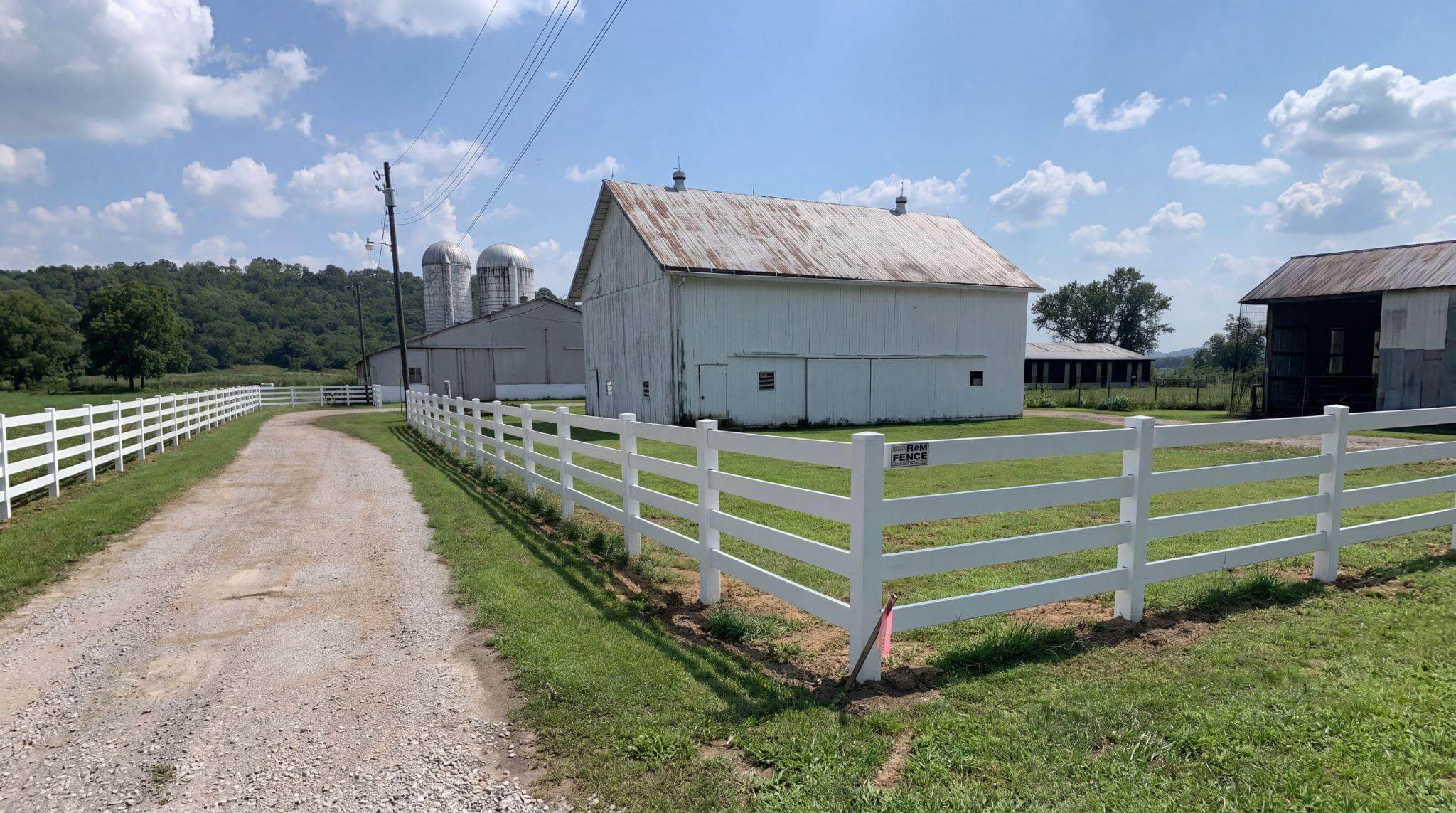
A split rail fence on its own is more decoration than containment, since the wide gaps between rails let almost any pet walk through.
Pair it with tight wire mesh on the inside, though, and you turn it into a rustic, Kentucky-friendly pet safe fence that fits rural lots beautifully. The mesh handles containment, while the rails carry the look.
Pros: blends into rural and farm-style properties, covers long perimeters affordably, and feels right at home in our region.
Cons: no privacy, and the mesh must use small openings to stop tiny dogs from squeezing through.
Best for: larger acreage, country properties, and owners who want charm without sacrificing security from a mesh-lined split-rail fence built for the long haul.
A Kentucky board fence is the look that has framed horse pastures across our region for generations. With the right board spacing and height, it can also double as a crate for large dogs.
For smaller pets, however, the horizontal boards leave gaps you will need to close with wire mesh or a tighter design. Hardware and post depth matter even more here because the wide boards experience a higher wind load.
Pros: timeless look, strong on long runs, and excellent for mixed-pet farms.
Cons: needs reinforcement for small dogs, and the painted finish takes touch-ups every few years.
Best for: rural and equestrian properties with bigger dogs that share space alongside a classic Kentucky board fence built for the region.
Now that you know the materials, the next question is harder: what does your dog actually do in the yard? Material is only half the answer. The other half is how your dog uses the space, so matching the build to the behavior stops you from fighting the same escape every weekend.
Below, you’ll see the behavior-to-fence matchups that decide whether your pet safe fence holds the line or fails by month two.
For jumpers, you have two jobs: remove visual triggers and remove anything they can grip. That is why the best fence for dogs that jump is a solid panel at least six feet tall, which puts wood privacy and vinyl at the top of your list.
Avoid chain link whenever possible, since the diamond mesh acts like a ladder. On a tight budget, however, you can add privacy slats to block sightlines and a top extension to remove the lip.
A fence for dogs that dig has to start underground. The simplest fix is a buried L-shaped wire mesh that turns inward at the base, so when your dog digs down, they hit a barrier instead of soft soil.
Beyond mesh, you can pour a concrete footer along the fence line or place heavy stones along the base. Aluminum fences with a tight bottom rail set close to the ground work well, too, since there is no soft spot for your dog to start a hole.
Chewers need a material that does not reward the habit. That is why vinyl and aluminum top the list, since both are too hard for teeth and have no taste worth chasing.
Wood is risky for heavy chewers, however, because splinters can hurt your dog and weaken the rail over time. To keep the look, plan for a chew-resistant kickboard along the bottom or save wood for the front yard.
Small dogs need a tight perimeter from the ground up. Aim for spacing under three inches, and watch the bottom edge as carefully as the height, since most escapes happen there first.
Vinyl privacy and wood privacy panels hit both targets at once. Aluminum with puppy pickets works too, as long as the bottom rail rides close to the ground.
The smaller your dog, the more the gate gap matters, so check that clearance every season as the soil settles.
Picking a material is the start, but how the fence is built decides whether it actually holds. The right pet-safe fence has more in common with a good kitchen than a good wall, since the features below are the hardware, hinges, and lighting. Get them right, and the whole system works for your dog.
Match height to your dog’s drive, not just their size. A four-foot fence is suitable for most relaxed small and medium breeds, while a six-foot or taller fence is the safer bet for athletic, jumpy, or anxious dogs.
Taller panels and longer runs do shift the budget, so it helps to know what taller fence panels cost in Kentucky before you commit. Always check your local Northern Kentucky height limits, too, especially for front yards and corner lots, since a dog-proof fence still has to follow code.
Gates are where most escapes happen. That is why self-closing, self-latching hardware is the baseline, since a gate left open by a kid or a guest is the same as no fence at all.
The AVMA reminds pet owners that secure gates are a frontline defense for safe containment. So when you spec your hardware, choose components that latch reliably through wet winters and summer heat.
The bottom of your fence should sit as close to the ground as possible. Northern Kentucky lots roll, dip, and slope, so a fence that looks straight from the patio can still leave wiggle gaps on the back corner.
Solutions include a kickboard along the base, a buried wire skirt, or a graded bottom line that follows the terrain. Plan these on day one for any pet-safe fence, since a 1-inch gap is a 6-second escape.
Even the best material fails when the install is wrong. Gaps at the base, wobbly posts, and a poorly hung gate give a clever dog every opening it needs.
A good DIY project still has its place. Small repairs, a panel swap, or replacing a hinge are reasonable weekend jobs, which is why we stock parts at our fence material supply for owners who want to handle the small fixes.
For a full pet safe fence build, however, you want a professional install. A peer-reviewed JAVMA study found that dogs behind physical fences escaped 23.3 percent of the time, compared with 44 percent on electronic systems, showing how much the build quality determines the real outcome.
| Approach | Best for | Watch out for |
| DIY repair | Panel swaps, hinge fixes, kickboard add-ons. | Post resets, gate alignment, permits |
| Professional install | Full builds, sloped lots, pet-specific upgrades. | Verify license, insurance, and local experience. |
There is no single best pet safe fence. The right one matches your dog’s size and behavior, and your yard’s layout, and its build quality is what makes it last.
Start by watching your dog for a week, and pair what you see with the materials and features we covered above. When you are ready, we will design an escape proof dog fence that gives you back the peace of mind you bought a yard for.
Ready to plan it together? Contact R&M Fence today for a free estimate.
The best fence for dogs that jump is a six-foot solid panel, like wood privacy or vinyl. Both remove the grip and the visual triggers that drive jumpers, while chain link can act like a ladder for athletic, motivated breeds.
Pair any dog proof fence with a buried L-shaped wire skirt, a concrete footer, or heavy stones at the base. The above-ground panels handle the perimeter, and the underground barrier turns a fence for dogs that dig into a non-starter.
A vinyl fence for dogs is chew-proof, splinter-free, and weather-resistant, which is why it edges out wood for heavy chewers. A wood privacy fence for pets still wins on cost and natural looks, especially with a chew-resistant kickboard along the bottom.
A chain link fence for dogs works for mellow pets on tighter budgets. The diamond pattern can let climbers escape, and diggers test the bottom, so plan buried mesh or a bottom rail to turn it into an escape proof dog fence.
Aim for four feet for small or relaxed dogs and six feet or taller for athletic or anxious breeds. Your pet friendly fence should match your dog’s drive, follow local height rules, and pair with secure gates plus tight ground clearance.
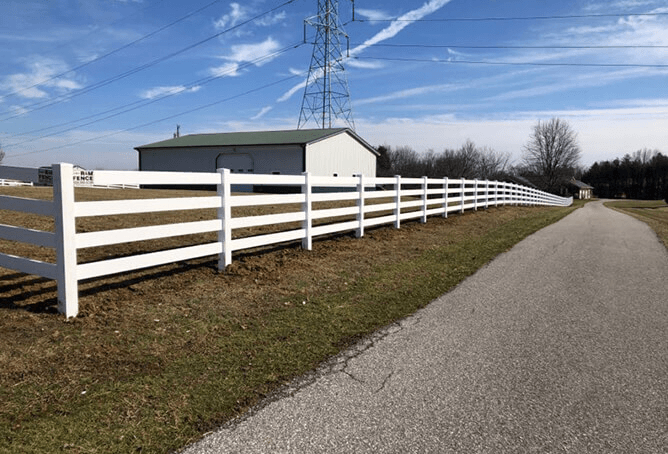
How long do wood fences last? You ask it when a post leans, a gate drags, or you are investing in a fence you want to keep.
Read More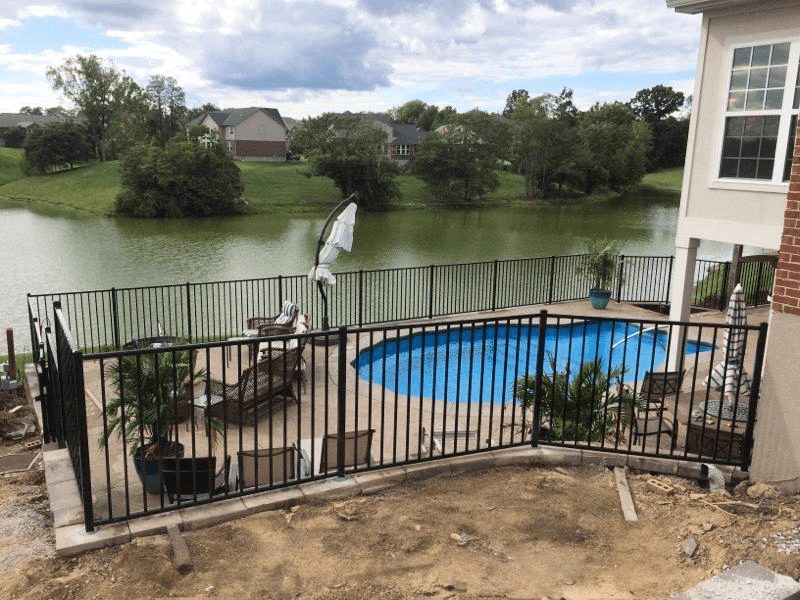
You finally get the pool up, the kids plan cannonballs, and one question nags at you. Do you need a pool fence for above ground setups in Kentucky, or does the pool itself count as the safety barrier?
Read More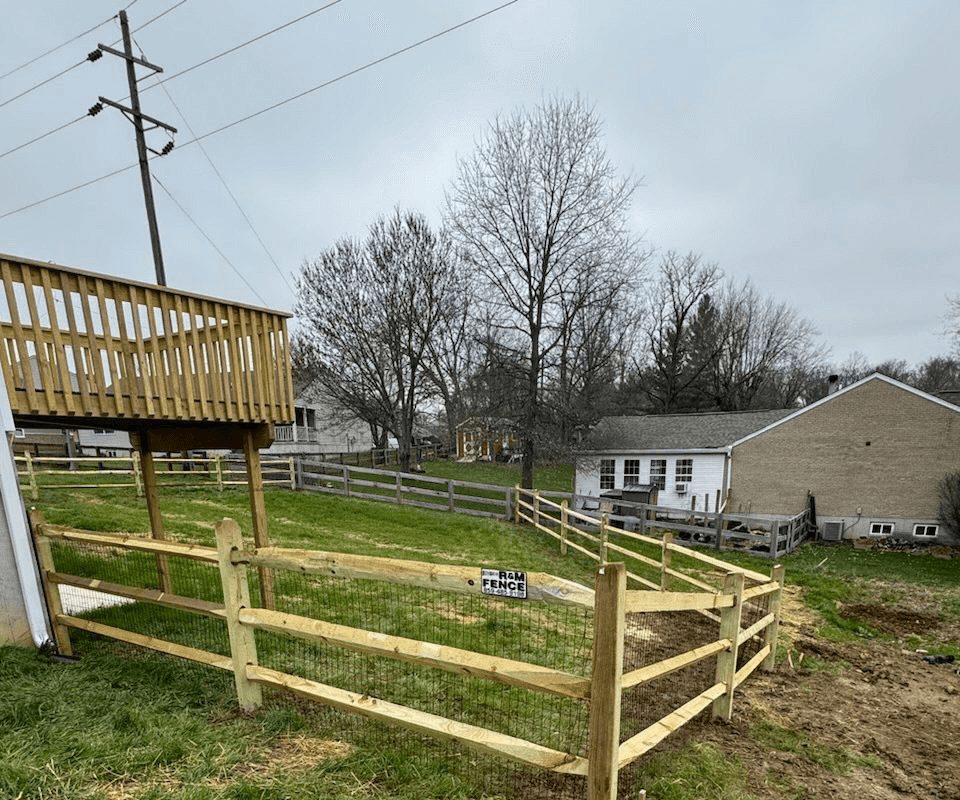
What is a split rail fence? It’s an open, post-and-rail boundary that keeps your yard feeling wide. In Kentucky yards, it marks the line without turning the view into a wall.
Read More