
You step into the backyard and feel it right away: the space is open, and not in a good way. Sightlines stay wide, conversations carry, and relaxing starts to feel like performing.
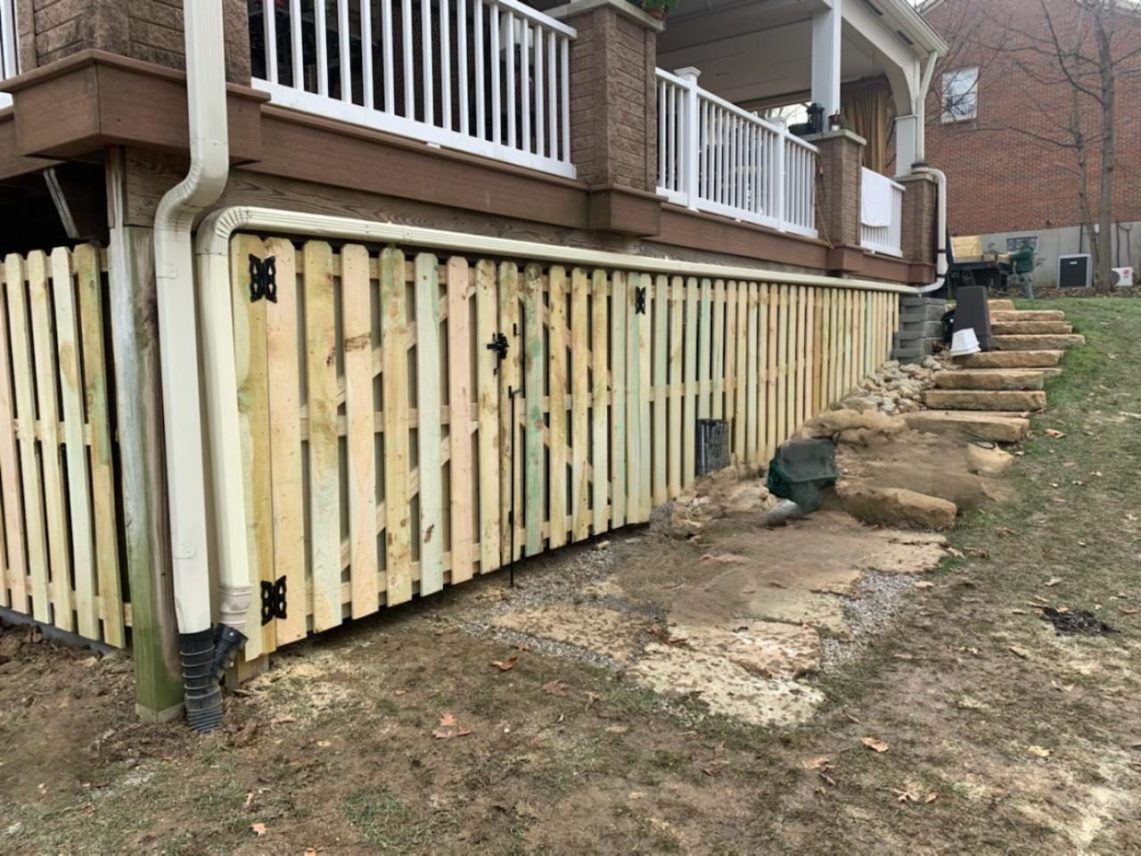
You step into the backyard and feel it right away: the space is open, and not in a good way. Sightlines stay wide, conversations carry, and relaxing starts to feel like performing.
You step into the backyard and feel it right away: the space is open, and not in a good way. Sightlines stay wide, conversations carry, and relaxing starts to feel like performing.
In Northern Kentucky, that kind of missing privacy can change how a home shows and how it sells.
So when you ask, “Does a privacy fence raise the value of your home?” We translate it into two practical questions: will buyers expect a fenced yard on your street, and will your fence look like a clean upgrade that passes the side-eye test?
At R&M Fence, our focus remains on craftsmanship, code-compliant height, and curb appeal that help your home look its best.
A privacy fence can add value, yet it rarely offsets the cost at resale.
It works better as a market signal. Buyers compare your home to nearby options, and a fenced yard can shift your place in that lineup when it feels expected and well-executed, especially in a Kentucky context.
In appraisal language, a fence sits under site improvements, so its impact depends on the contributory value shown by comparable sales.
As reported by Fannie Mae, an appraisal should describe improvements clearly and note needed repairs, which puts the spotlight on condition, not mere presence.
That’s where craftsmanship starts doing real work.
Straight runs, sturdy posts, and gates that close cleanly support privacy fence home value, while leaning sections or patchy fixes introduce doubt. With that in mind, curb appeal improvements around the fence line often shape a buyer’s “move-in ready” judgment before they even step inside.
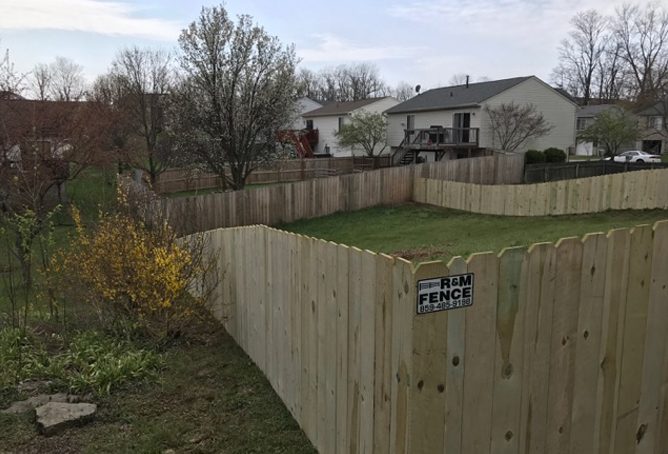
Privacy fences sell comfort and confidence, pairing daily privacy with curb appeal improvements that buyers notice.
A private backyard changes how you use your home.
You stop feeling like you are on display when you grill, relax, or let kids play. That emotional comfort is hard to measure, yet it shows up in buyer behavior because people remember how a space makes them feel during a showing.
It’s a helpful reminder that buyers do not evaluate homes in a vacuum, and that’s also why privacy fence choices matter in how the yard functions day to day.
Buyer-visible signals that help:
Containment is a big deal, especially in neighborhoods with busy streets and close-set yards.
As Zillow notes, buyers shopping for new construction say a fenced backyard is the most common “essential” pet feature. That tells you something simple: people want a home that supports real routines, not just pretty photos, and it also keeps pool safety in the conversation when buyers think about kids.
Even if your buyer does not own a dog today, they often like the option for future pets, toddlers, or visiting family. A fence creates a clear boundary, so play stays in bounds and stress stays low.
Buyers feel calm on a walkthrough, and it quietly boosts perceived livability. It also helps parents and pet owners picture daily life without constant supervision.
A privacy fence is not only a backyard feature. It can reshape how the home presents.
Curb appeal improvements have real weight in selling conversations. The National Association of Realtors reports that a large share of realtors suggest curb appeal upgrades before listing and view curb appeal as important for attracting buyers.
That’s why fence details matter. Boards, posts, and gates read like exterior trim, so a clean build can make the whole property feel finished and well-kept. Ask yourself these questions before listing:
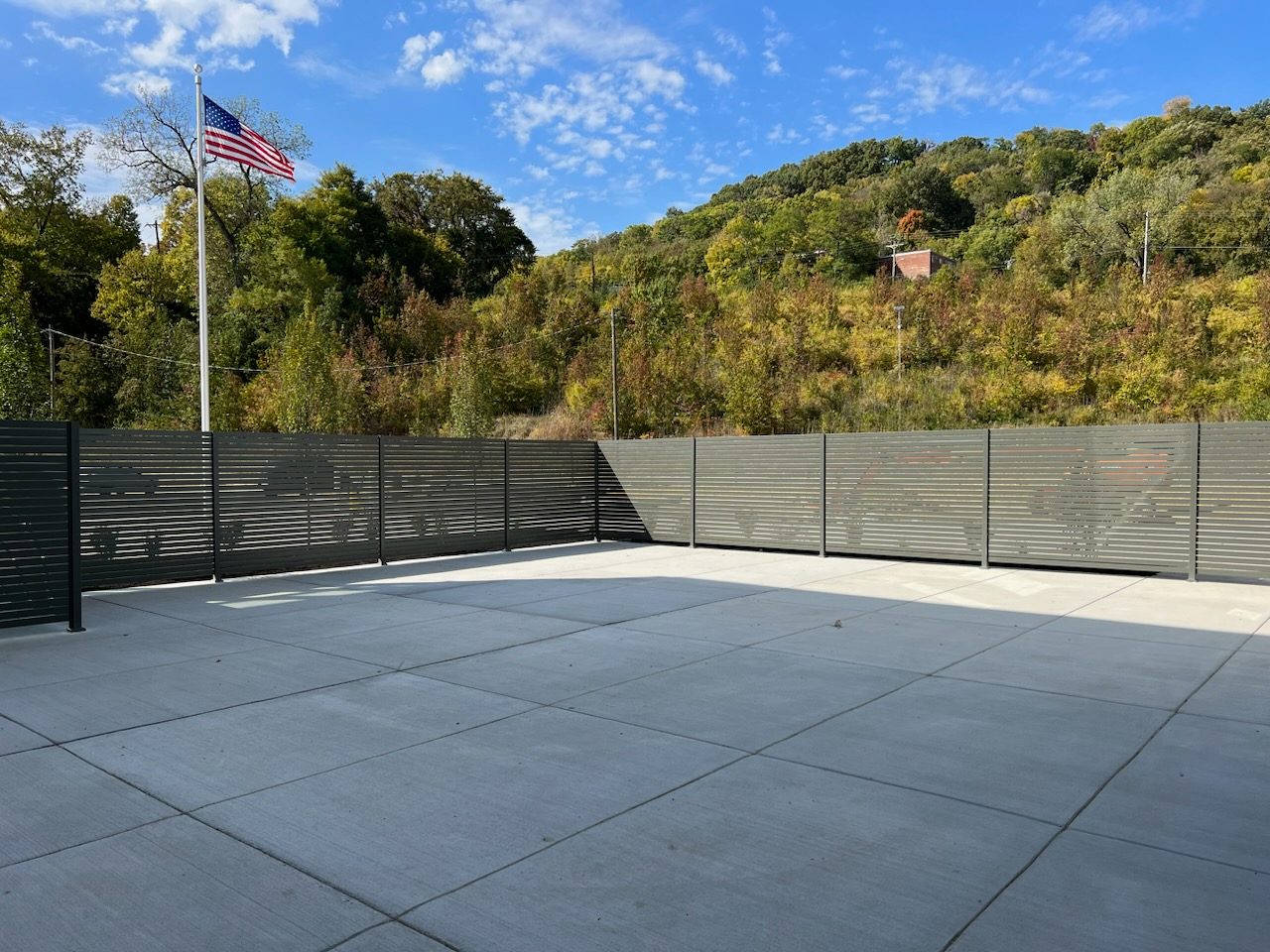
Bold claims about fence ROI are everywhere, yet value works more like a nudge than a jackpot.
A privacy fence helps by making your property easier to understand and choose, and it also helps keep costs in context when you weigh the decision.
Here’s what that nudge often looks like:
Appraisal frameworks focus on how improvements contribute to overall value, including site improvements, and on the extent of that contribution, which depends on market evidence. If comparable homes with fences reliably sell faster or sell higher in your area, the fence tends to “show up” in a meaningful way.
One more important point: a newer fence usually helps more than an aging fence with visible wear. Buyers quickly see maintenance risks, which can dilute the privacy fence’s home value benefit.
There is no universal winner, yet there are patterns buyers respond to, especially in Kentucky neighborhoods.
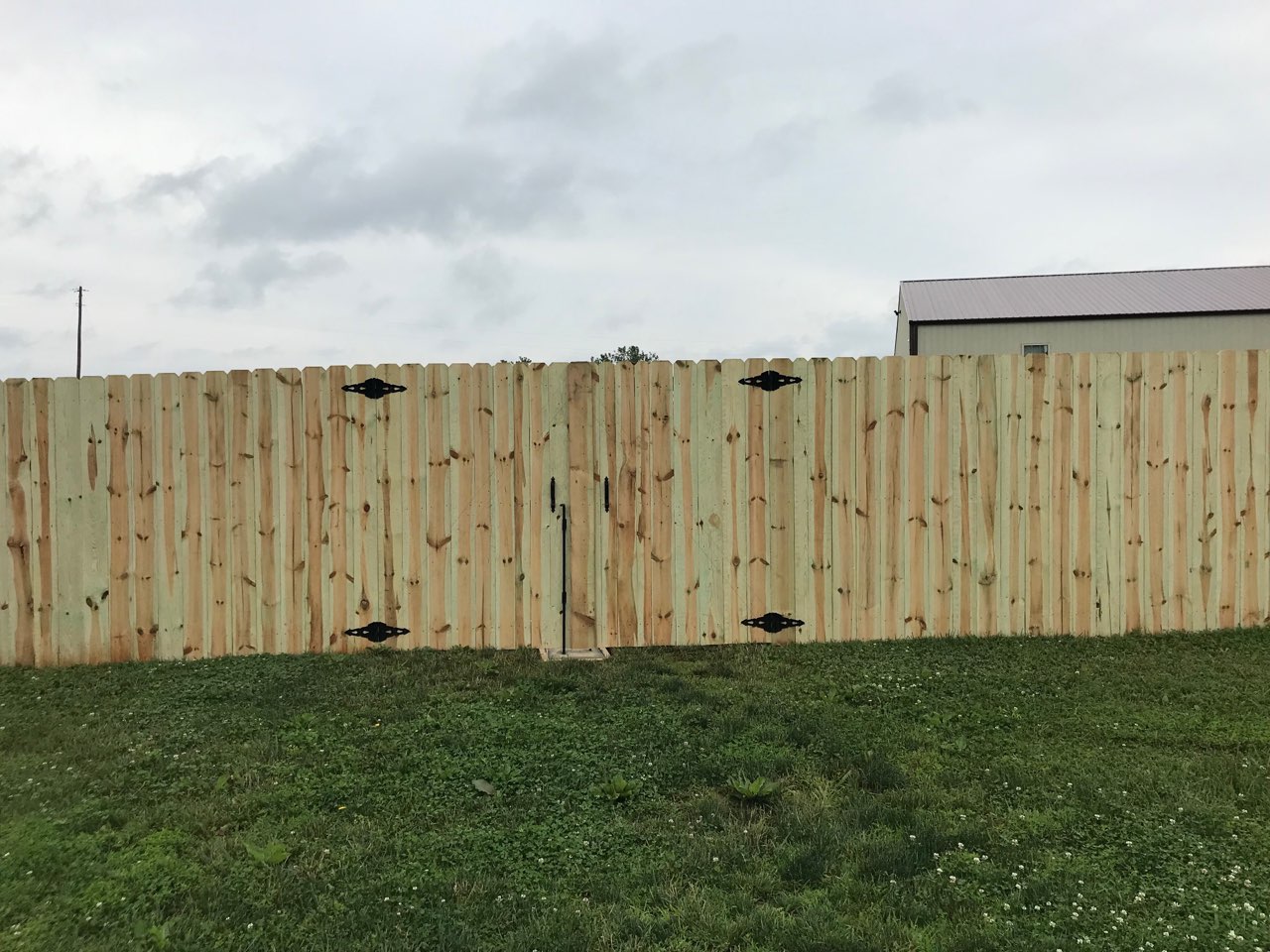
Wood stays popular because it looks natural, warms up the yard, and fits everything from brick ranches to newer builds.
When it’s done well, it reads as a thoughtful upgrade rather than a temporary fix.
A wooden privacy fence gains value when the structure feels solid and the finish looks intentional. Straight runs, tight picket spacing, and gates that close cleanly signal quality, while warping, rot, and patchy boards signal maintenance.
A consistent stain or seal helps the fence age evenly, keeping the entire perimeter looking cared for during a walk-around, especially with wood privacy styles that fit the home’s exterior.
Vinyl tends to win because it stays tidy with minimal upkeep, and that matters to buyers who already feel busy. They see a clean fence and imagine weekends back, not a fresh to-do list.
Vinyl fence value improves when the panels stay straight, the color looks consistent, and the gates feel solid in your hand, especially when the vinyl details feel intentional instead of flimsy. A fence that still looks “new” during a showing quietly boosts confidence, especially when the hardware closes cleanly, and the lines look intentional.
That visual freshness can make the whole yard feel finished.
Aluminum is not the classic pick for full privacy, yet it can add a modern edge when you want a cleaner, more architectural look. It works especially well when paired with privacy panels, decorative inserts, or shorter runs where sightlines still matter.
Buyers who like contemporary exteriors notice that cohesion fast. When the fence matches the home’s lines and finishes, it reads as design, not an afterthought.
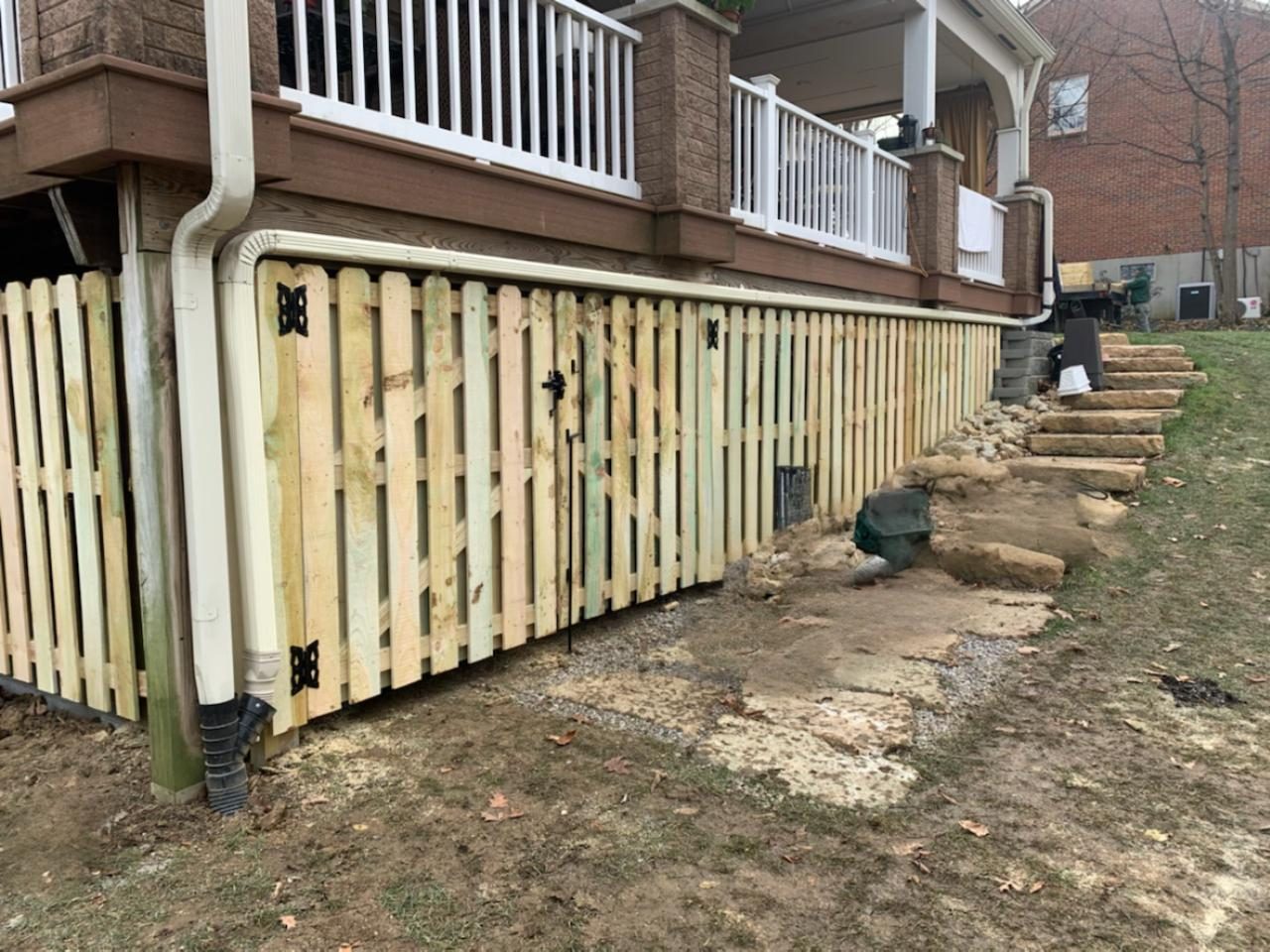
Fence value comes down to curb appeal improvements, code-smart design, and building quality that buyers trust.
Material quality shows up before anyone asks about price. Buyers read it like a shortcut, because the fence tells them how the rest of the property has been cared for.
Height influences privacy, yet it also intersects with local rules.
In parts of Northern Kentucky, rules can cap fence heights in residential areas. Boone County zoning language referenced in public materials specifies a maximum fence height of six feet in certain residential districts.
City rules can also affect what works in front yards versus back yards.
In Covington, zoning districts listed on the city’s fence permit procedure document, front yard fences and walls are limited to 42 inches, and rear/side yard fences may have different limits.
This matters for value because a fence that clearly aligns with local expectations feels “safe” to a buyer. It reduces the mental noise of permits, disputes, or post-purchase surprises.
DIY can be fine for the right homeowner, yet resale is picky.
A fence that leans, drags at the gate, or looks patched can quickly erode buyer confidence. On the other hand, a clean fence installation signals that the property was cared for. If you want the fence to support resale, think like a buyer walking the perimeter with a sharp eye:
| Value Channel | What you get | What makes it “worth it” | What can dilute the payoff |
| Daily use value | You use the yard more often, and it feels private, contained, and comfortable. | Build for how you live: clear sightlines blocked, a gate that works one-handed, and a layout that turns the yard into usable space. | Flimsy gates, wobbly posts, and gaps that make privacy feel incomplete. |
| Marketability value | The home shows better because the backyard feels finished, not exposed. | Keep the fence line clean and intentional so the exterior reads “well kept” at a glance. | Leaning sections, mismatched repairs, and uneven lines that read like a to-do list. |
| Comparable-sales value | The fence can contribute to value when the local market rewards fenced yards in comps. | Match neighborhood norms on height, style, and placement so the fence feels like a natural upgrade | Building something that feels out of place for the street, or adding a fence in rough condition. |
| Long-term durability value | Fewer future headaches, fewer visible repairs, and better aging over time. | Choose materials and workmanship that stay straight, sturdy, and consistent through seasons | Shortcuts on materials, rushed installation, and hardware that loosens or drags |
If you want your fence to feel like a true value add, the plan has to be simple and disciplined: design it for your lot, build it clean, and finish it with details buyers notice. That’s how you protect curb appeal and avoid the “future repair” vibe.
R&M Fence has served Kentucky homeowners since August 1999, and our work reflects what holds up in real neighborhoods.
So, does a privacy fence raise the value of your home?
Often, yes, especially when it matches what buyers expect on your street, and it looks like a lasting upgrade, not a future repair. When privacy, safety, and clean curb appeal come together in one build, your home tends to look better and feel easier to choose.
If you want help narrowing down the right style, height, and material for your property, R&M Fence can guide you through options that fit your goals and your neighborhood. When you’re ready to price it out, use our contact us page.
Does a privacy fence add value? Most often, when buyers already expect a fenced yard in your neighborhood and the fence looks like a true upgrade. That’s the core of privacy fence home value: it’s tied to market expectations, condition, and how confidently the yard shows.
A straight fence line, solid posts, and a gate that closes cleanly help buyers relax into the space. A leaning fence, gaps, or patchy repairs can do the opposite, because it feels like a project waiting at the closing table.
The best fence for home value is the one that fits your street and your lot, not just a trend.
In many neighborhoods, buyers respond well to classic privacy styles that feel consistent with nearby homes, especially when the fence height and placement look intentional.
Your choice of fencing materials Kentucky buyers trust matters too. Materials that stay straight, hold color well, and handle seasonal wear tend to keep the yard looking “finished,” which supports resale appeal and everyday use.
Wooden privacy fence value climbs when the build feels sturdy, and the finish looks deliberate.
Buyers notice straight runs, tight picket spacing, and corners that stay square, because those details signal quality.
Maintenance also plays a quiet role. A consistent stain or seal helps wood age evenly, so the fence reads as cared for rather than a patchwork of boards. When wood starts to warp or rot, buyers tend to price in repairs even if the rest of the yard looks great.
Vinyl fence value often holds up well because buyers like the low-maintenance promise, especially if the fence still looks clean and uniform. That “fresh” look can make the backyard feel turnkey, which supports a stronger showing experience.
Buyers pay attention to the practical touches too.
A solid gate, clean hardware, and panels that stay straight matter more than fancy extras, because they remove doubt. If vinyl looks wavy or the gate feels flimsy, the low-maintenance story loses credibility.
A privacy fence supports curb appeal improvements when it frames the property with clean lines and a style that matches your home’s exterior. Even small details like consistent top edges and a gate that aligns properly can make the whole yard feel more polished.
It also strengthens backyard privacy upgrades by making outdoor living feel contained and usable. When buyers can picture grilling, relaxing, or letting kids and pets play without feeling exposed, the backyard stops being “extra space” and starts feeling like part of the home.
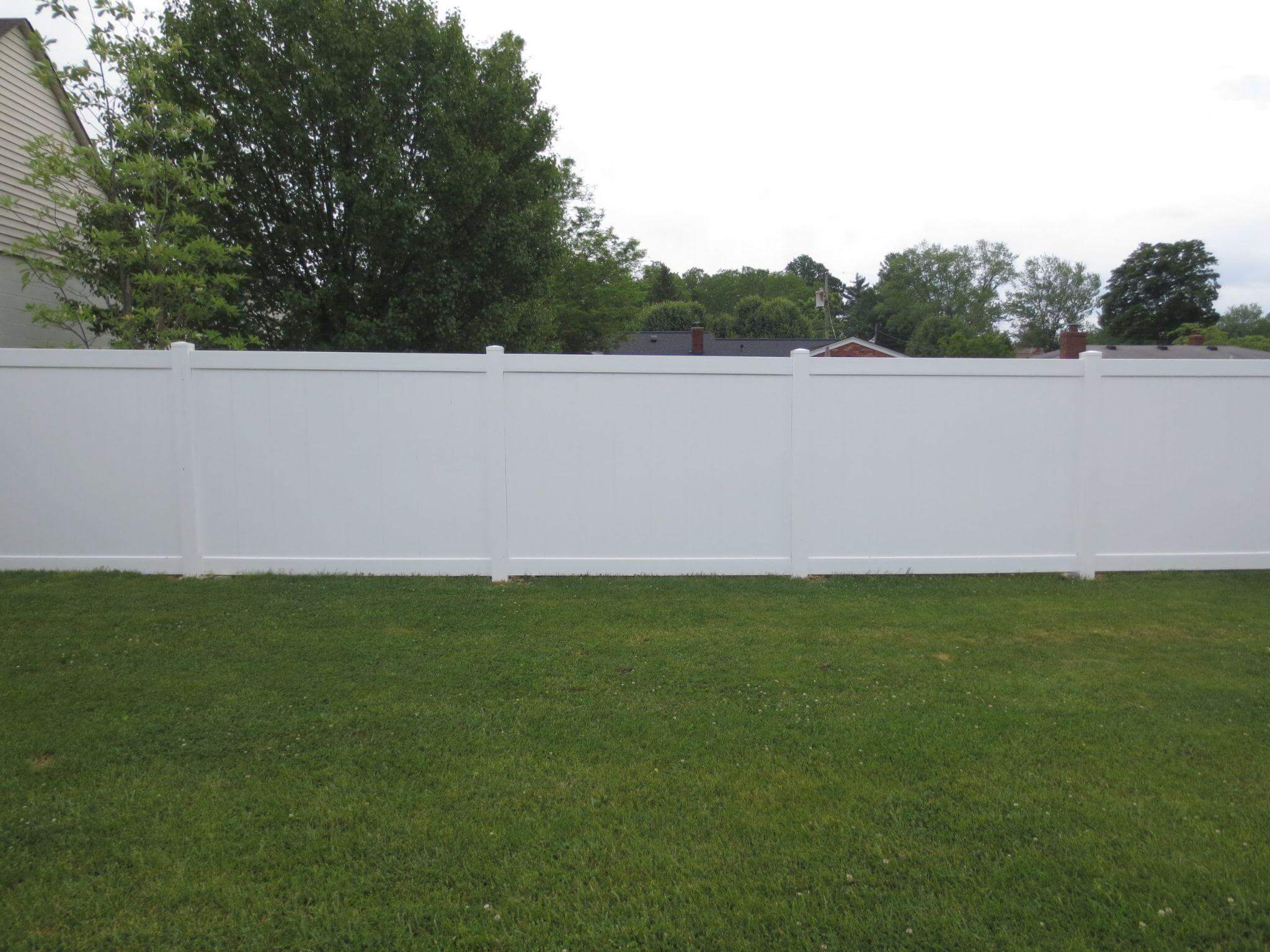
Fencing your backyard is a commitment to privacy, safety, and style. Our customers often ask, “How much does a backyard fence cost?” and, frankly, the answer depends on a blend of choices and circumstances.
Read More
You can feel the pull of a swimming pool on a Kentucky afternoon. Blue water, laughter, the hum of summer all around. But before you break out the floaties, there’s one important question: Do you have to have a fence around the pool?
Read More
Finding the ideal split rail fence company might seem easy at first, but small details often reveal big differences between contractors. Every property owner wants a fence that stays straight, stable, and attractive for years—not one leaning or crumbling within months.
Read More