
Fencing your backyard is a commitment to privacy, safety, and style. Our customers often ask, “How much does a backyard fence cost?” and, frankly, the answer depends on a blend of choices and circumstances.
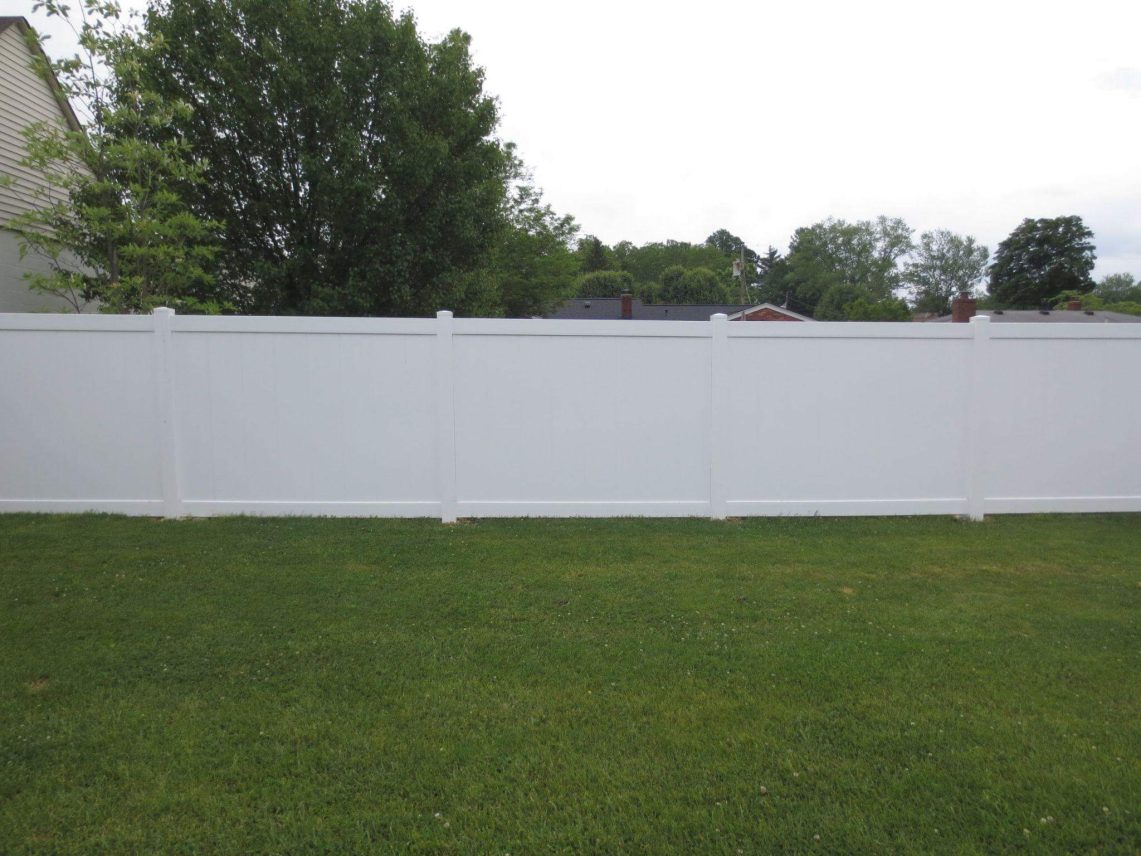
Fencing your backyard is a commitment to privacy, safety, and style. Our customers often ask, “How much does a backyard fence cost?” and, frankly, the answer depends on a blend of choices and circumstances.
Fencing your backyard is a commitment to privacy, safety, and style. Our customers often ask, “How much does a backyard fence cost?” and, frankly, the answer depends on a blend of choices and circumstances.
As local experts here at R&M Fence, we’ve learned that our state’s clay soil, humid summers, and seasonal swings make fence construction very different from what you read in generic national cost guides. In this post, we’ll walk you through everything homeowners should know before commissioning a contractor to build their backyard fence.
We’ll explore material prices, labor rates, hidden expenses, and even seasonal timing so you can budget with confidence.
Many homeowners who move into 1970s ranch homes in the rolling hills outside Lexington find that their first priority is fencing the backyard so kids and pets can play safely. Fence pricing here is different from national averages.
Because of Kentucky’s clay‑rich soil, posts must be set deep enough to withstand freeze‑thaw cycles and soil shrinkage. Installers often recommend digging post holes when the clay is moist but not saturated; installing on dry soil can lead to shrinkage and loose posts.
Local contractors also know how Kentucky’s humid summers accelerate wood rot and can steer you toward pressure‑treated or rot‑resistant materials.
Statewide data from ProMatcher shows fence pricing in Kentucky can vary widely by material and service type.
In most neighborhoods, chain-link tends to be the most budget-friendly option, while wood and vinyl often sit in the mid-range depending on style and height. Aluminum, steel, and wrought iron generally land in a higher tier due to material strength and finish quality. Composite can also trend higher because of its engineered durability and low-maintenance appeal.
These broad comparisons help you plan your project and weigh trade-offs. For a yard-specific breakdown, R&M Fence can provide an up-to-date written estimate.
Prices are estimates only and can change; R&M Fence can provide an up-to-date written quote for your yard.
If your yard is completely flat, you’re one of the lucky few.
Many Kentucky properties sit on slopes or include mature trees and landscaping, which adds complexity to fence installation. Steeper grades require stepped or racked panels; existing fences or vegetation may need to be removed; and some sites benefit from additional drainage work to protect the fence long-term.
Even gentle slopes often require extra digging and adjustments to ensure the fence stays level and secure.
Most Kentucky cities require permits for fences above certain heights, and homeowners may also need boundary surveys or utility marking if property lines aren’t clear. HOAs often have their own approval process and may restrict materials or colors.
These steps may seem minor, but skipping required permits or approvals can lead to fines or even forced fence removal.
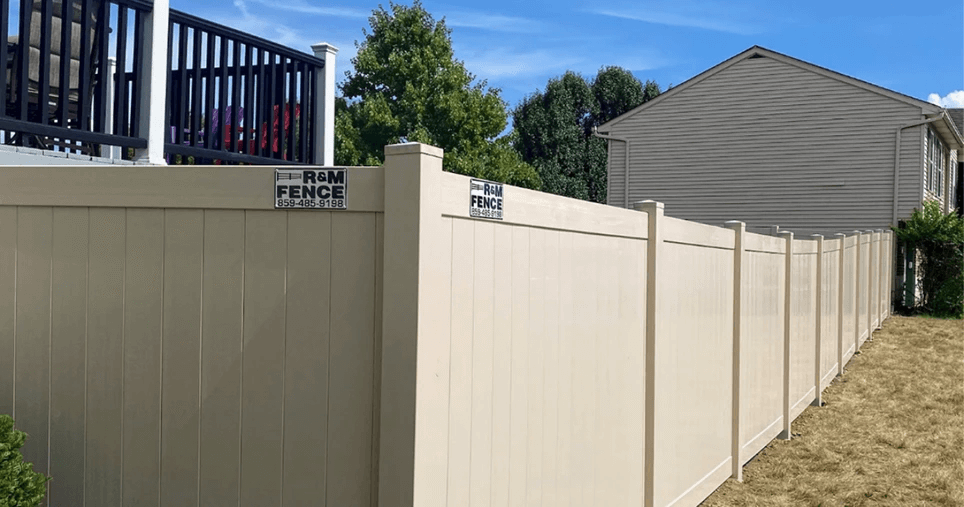
Selecting the right material feels daunting because price is only one part of the equation. Durability, aesthetics, and maintenance are equally important. Let’s break down the major categories.
Wood fences offer classic charm and come in styles such as picket, shadowbox, stockade, and board-on-board.
In Kentucky, pressure-treated pine is often the most budget-friendly wood choice, while cedar and redwood typically cost more because of their natural resistance to moisture and rot. Privacy styles require more boards and hardware, which can increase your overall project total by 20% or more compared with shorter or semi-private designs.
Wood also benefits greatly from consistent upkeep. Regular cleaning, along with periodic staining or sealing, helps it withstand humid summers and seasonal swings. In our experience, wood offers warmth and character, but it rewards homeowners who plan for ongoing care.
Vinyl fencing offers the look of wood with very low maintenance. White panels are typically the most budget-friendly, while specialty colors and upgraded textures add a modest premium.
Because panels are pre-fabricated, installation requires precise alignment and the right tools, so DIY can be tougher than it looks. Vinyl resists moisture and mold, which makes it well-suited to Kentucky’s humid climate. Many products also come with long warranties that can span decades. For homeowners who want clean lines with minimal upkeep, vinyl remains a strong long-term value choice.
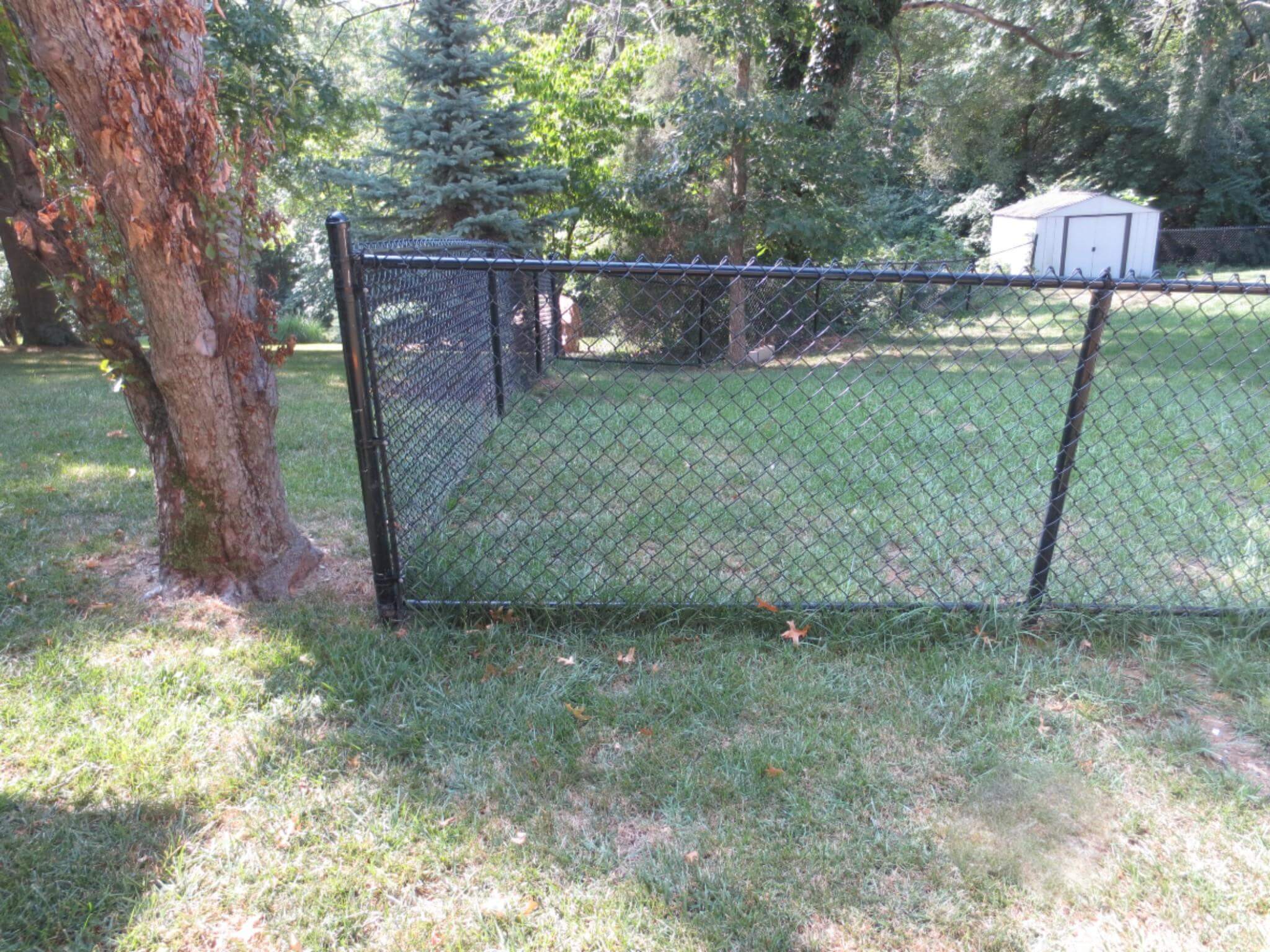
Chain-link is often the most budget-friendly fencing option for large yards. A vinyl-coated finish can improve curb appeal, and privacy slats are available if you want a cleaner visual barrier.
Height, corner complexity, and gate count can increase the total. While chain-link offers limited privacy and a more utilitarian look, many homeowners pair it with landscaping to soften the appearance and improve the backyard atmosphere.
Aluminum fencing typically sits in a higher price tier than chain-link, wood, or standard vinyl, while steel and wrought iron can rise further based on customization.
Powder coating and decorative elements boost durability and visual impact.
Custom gates and ornamental details can also increase your total by 20% or more, especially when the design includes special hardware or wider openings. Professional installation matters here because alignment and post stability often make or break the finished look.
Installing a fence is about creating a yard that looks great and works for your home. In Kentucky, soil, terrain, and even the season can influence your installation cost. This section breaks down what really affects pricing so you know exactly what to expect.
Professional fence installation in Kentucky varies by region, material, and site conditions.
Urban contractors may charge more due to higher wages and overhead. Experienced installers know how to navigate clay soil, maintain proper post depth, and handle utilities, which reduces future repair risk.
During peak spring and summer months, demand spikes and scheduling tightens. In many cases, that higher demand can increase your total by 15–25%. Rush jobs or emergency timelines can also create a meaningful premium.
Before the first post goes in, crews prepare the site.
Flat yards require minimal grading, but sloped or uneven ground often needs extra excavation and layout adjustments. That complexity can increase installation costs depending on the grade and panel style. Clay-heavy areas may also require specialized equipment and careful timing to prevent loose posts after seasonal soil movement.
Removal of an existing fence, thick vegetation, or buried debris can add significant time and labor.
Mature trees and large root systems may require targeted clearing, which can noticeably raise your overall project scope. If your yard has drainage issues, your contractor may recommend solutions that protect the fence long-term, and those upgrades can increase the total by 20% or more in problem areas.
Permit requireents vary by city and by fence height.
In some areas, you may also need a boundary survey or utility marking if property lines are unclear. HOAs often have their own approval process and may charge a separate architectural review fee.
Skipping required permits or approvals can lead to fines or even forced fence removal. If you are near a right-of-way or utility line, always call 811 for locating services.
Hidden costs often catch homeowners off guard. We recommend setting aside 15–20% of your budget for contingencies like these:
Upgrades can meaningfully change your project total:
Annual maintenance is often overlooked in the initial budget.
Wood fences benefit most from periodic sealing or staining plus routine inspections. Vinyl and aluminum typically need only occasional cleaning and hardware checks. During Kentucky’s more severe weather, plan for occasional storm-related repairs or reinforcement, especially in exposed yards or older installations.
Addressing small issues early helps avoid larger structural problems later.

Installing a fence can boost privacy and curb appeal, but you must decide whether to do it yourself or hire a pro.
DIY may cut costs but requires time, tools, and skill. Professional installation costs more but offers expertise and fewer risks. This section explains the key cost differences to help you decide.
Many homeowners flirt with the idea of doing it themselves. You may save roughly 40–50% on labor by purchasing materials and doing the work yourself, according to Homeguide.
However, tool rentals, materials handling, and disposal can add a meaningful extra expense. You must also factor in 40–80 hours of your own time depending on yard size and soil conditions. Inexperience can lead to uneven posts or misaligned panels, which may require rework and additional materials.
DIY also means you manage permits, inspections, and warranties on your own.
Complex terrain, rocky soil, or drainage problems often exceed the capabilities of DIYers. Professionals bring specialized equipment and experience to overcome these challenges quickly. Reputable contractors carry insurance and offer warranties (typically one to five years) that protect you against faulty workmanship.
They also handle permits and regulatory compliance, preventing fines and delays. If your schedule is demanding or you lack construction experience, hiring a pro may actually save money by avoiding costly mistakes.
In general, hiring a professional can cost two to three times the material-only price. That total typically includes labor, specialized equipment, permitting support, and workmanship coverage.
DIY can reduce your out-of-pocket spend, but you assume the risks tied to layout accuracy, post depth, and long-term structural performance. Evaluate your time, tools, and comfort level with clay soil before choosing your path.
If you’re comparing both paths and want clarity before committing, R&M Fence offers free estimates to help you understand your true project cost. Our team can walk you through materials, timelines, and installation options so you can make an informed, confident decision.
Fence prices don’t look the same across Kentucky. Big-city markets like Louisville and Lexington move fast and cost more, while rural areas play by a different set of rules.
Add in seasonal swings and shifting material prices, and the market becomes its own ecosystem. Knowing how these factors work gives you a real edge when planning your project.
Louisville and Lexington often trend higher due to labor rates and overhead.
Rural installations may have lower base labor costs but can include added logistics considerations, especially for material delivery and crew travel. Urban areas also tend to offer more contractor competition, which can help you compare options and negotiate scheduling.
Spring and early summer are prime fence-building seasons. Higher demand can increase your total by 15–25% and lead to longer wait times.
Late fall and winter often offer more flexible scheduling and may reduce overall project costs by 10–15% depending on contractor workload and material availability. Fall can also be a smart planning window when crews aim to keep schedules steady.
A new fence doesn’t have to strain your wallet if you play your cards right.
From low-rate loans to contractor promos and creative neighborhood deals, there are plenty of ways to fund your project without stress. Understanding your options lets you lock in the approach that fits your budget and keeps your build moving.
If paying cash isn’t feasible, consider a home improvement loan or personal loan. LendingTree reports that unsecured home improvement loans offer rates of 5% to 7% for qualified borrowers.
Home equity lines of credit (HELOCs) provide lower interest rates but use your home as collateral. Credit cards with 0% introductory periods can be attractive for small projects, but their rates jump after the promotional period ends. Personal loans are quick but typically have higher rates than secured options.
Many contractors partner with financing providers to offer promotional plans during slower seasons. Some homeowners also coordinate builds with neighbors to improve scheduling efficiency and unlock volume-based savings. In some cases, group installs can reduce your total by 5–15% depending on layout and material choices.
If you want the best fence for your money, smart planning is everything. From choosing the right contractor to timing your purchase, small decisions can lead to big savings. A strategic approach helps you cut unnecessary costs while still getting a fence that lasts.
Our team can’t stress enough: always solicit three to four detailed quotes. Comprehensive quotes outline materials, linear footage, gate specifications, permit costs, and warranties.
Check licensing and insurance, and read reviews on the Better Business Bureau.
Ask for recent references and visit completed projects to assess workmanship. Review contracts carefully, ensuring payment schedules align with project milestones and that warranty details are clear.
Leverage seasonal timing; contractors may offer discounts in late fall or winter when business slows. Group buys with neighbors can yield 5–15% volume discounts. Don’t be afraid to request upgrades; sometimes higher-end materials reduce long-term maintenance costs, making them better investments. Paying cash can save you 2–5% by avoiding credit card processing fees.
The cheapest option isn’t always the smartest. Inexpensive materials often require frequent repairs or replacements, inflating total ownership costs. For instance, cheap pine may rot quickly in Kentucky’s humid climate, while cedar or vinyl, though pricier, lasts longer and increases property value.
According to MyGarageandGates, a quality fence can recoup 50–70% of its cost at resale, whereas chain‑link provides only 20–30% ROI. Balance your immediate budget with long‑term value and your home’s aesthetic.
A well-planned budget keeps your project on track and free of surprises. With the right tools, accurate measurements, and expert guidance, you can forecast expenses confidently and avoid common pitfalls. These tips make it easier to estimate costs, stay organized, and get the most value from your investment.
Measure your property’s boundaries carefully, and add 10% for contingencies such as design changes or measurement errors. Include a 15–20% contingency fund for unexpected costs, such as utility conflicts or additional site prep.
Schedule your purchase to coincide with material promotions and off‑season labor rates. Remember that total ownership includes installation, maintenance, and eventual replacement.
Hiring a design consultant can optimize fence layout, minimize wasted material, and ensure the fence complements your landscaping. Soil testing and site evaluations identify potential challenges, such as hardpan clay or hidden bedrock.
Consultants also stay up‑to‑date on local regulations so that you won’t be surprised by setbacks or height restrictions.

If you still find yourself wondering “how much does a backyard fence cost,” the answer depends on your yard, material, and goals, not just an average number.
You bring the budget and priorities, and R&M Fence helps with design, pricing, and installation. Start the process with a quick consultation request and get a fence plan tailored to your Kentucky property.
Note: Prices are estimates only and can change; R&M Fence can provide an up-to-date written quote for your yard.
How much does a backyard fence cost? Well, the cost depends on the total linear footage, the chosen materials, and the installation needs. Measure your fence line, apply the per-foot installed rate, and include permits, gates, labor, site prep, and a contingency fund to build an accurate budget.
Material choice greatly affects long-term ROI. Cedar, vinyl, and aluminum offer the strongest returns because they combine durability with curb appeal. Matching the material to neighborhood expectations also helps maximize resale value and minimize future maintenance costs.
Late fall and winter typically provide the best pricing and contractor availability. Demand drops, discounts are more common, and scheduling is easier. Avoiding peak spring and early-summer rushes helps secure lower rates and ensures crews can address site challenges thoroughly.
How much does it cost to fence in a backyard with professional installation? This often comes down to your skill level and the time you have. Professionals handle precise post-setting, soil challenges, and permitting, reducing errors and long-term issues. Their expertise and warranties frequently deliver better overall value than DIY.
Choosing durable materials and performing consistent upkeep keeps lifetime costs manageable. Vinyl and aluminum require minimal care, while wood benefits from sealing and annual inspections. Fixing small issues early prevents expensive repairs and helps your fence stay structurally sound for years.
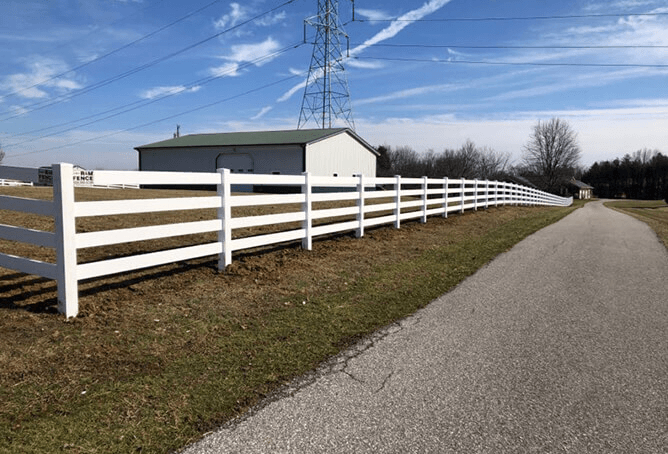
How long do wood fences last? You ask it when a post leans, a gate drags, or you are investing in a fence you want to keep.
Read More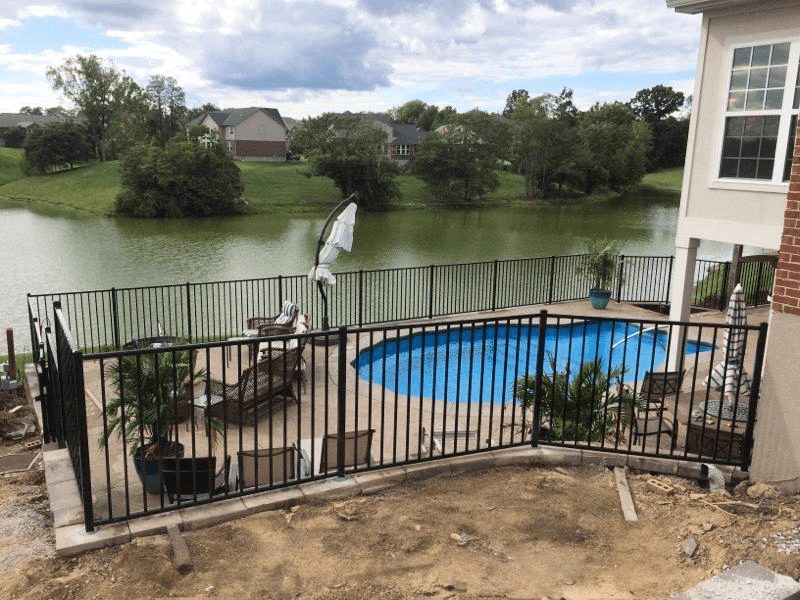
You finally get the pool up, the kids plan cannonballs, and one question nags at you. Do you need a pool fence for above ground setups in Kentucky, or does the pool itself count as the safety barrier?
Read More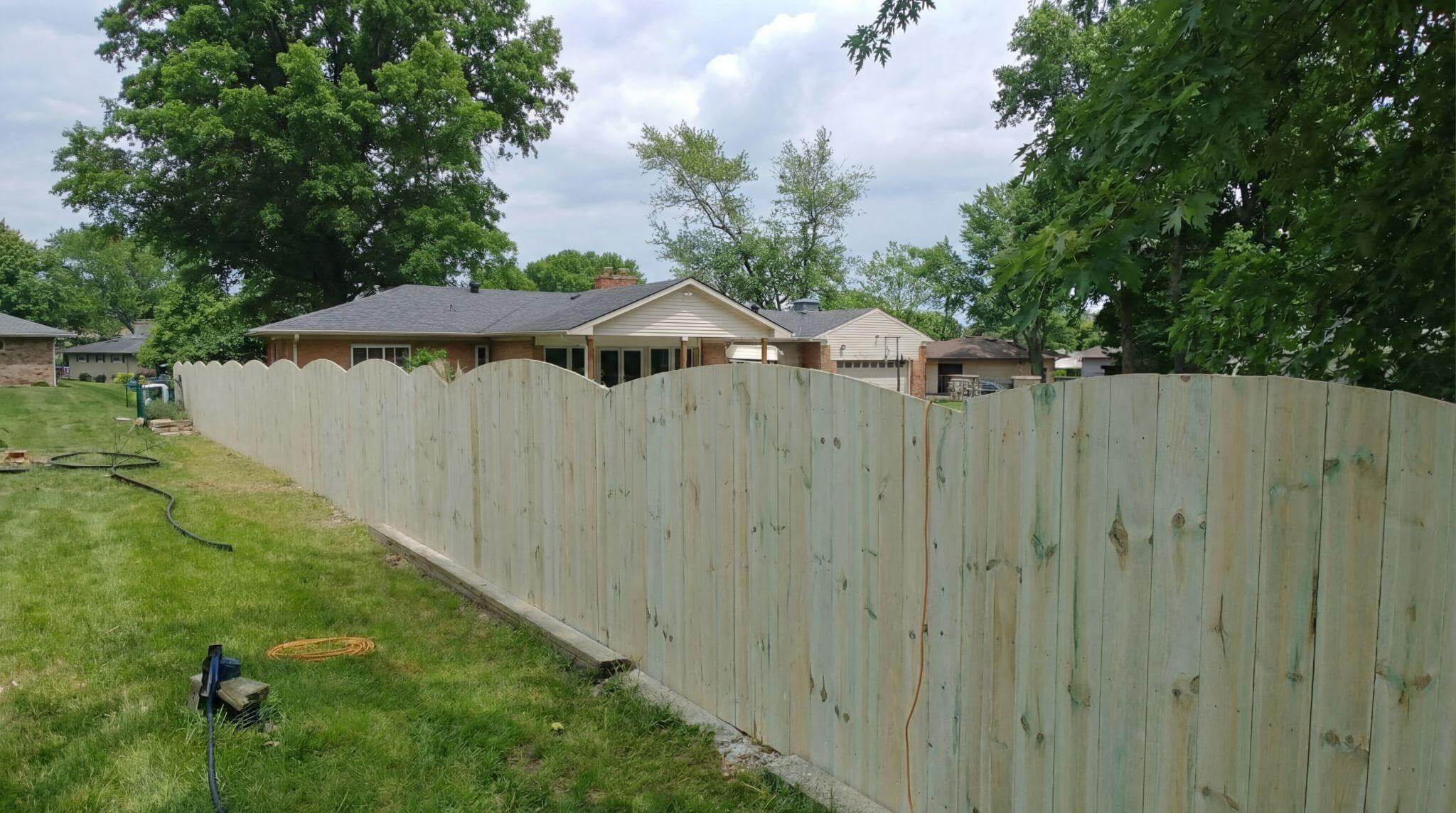
You let the dog out for two minutes, glance up, and the gate is already swinging. In Northern Kentucky, that scenario plays out daily because most yards weren't built with escape artists in mind.
Read More